

Politics · Indonesia · 13 hrs ago
Indonesia says crypto taxes do not mean the activity is halal
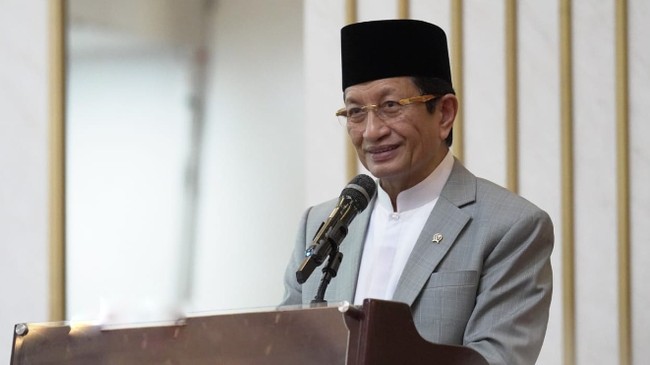
Indonesia’s Religious Affairs Minister Nasaruddin Umar said crypto taxes do not signal government approval of crypto activity.
He made the comments at an international seminar on taxes, digital economies and cryptoassets.
In Indonesia, the Indonesian Ulema Council decides whether an activity is halal or haram.
In 2021, the council ruled that using crypto as money is forbidden because it involves uncertainty and potential harm, while allowing trade as a commodity or asset if it has clear backing and benefit.
Tax rules are separate from religious rulings, and officials said paying tax does not mean crypto trading is permitted or encouraged.
The government moved crypto oversight to the Financial Services Authority in January 2025 and classified crypto as a financial asset.
Since August 2025, crypto sales have been subject to a final 0.21% income tax and no VAT, collected by digital asset traders.
Nasaruddin said the religious ruling could change if crypto no longer presents the concerns identified by the council.

Indonesia’s religious affairs minister said taxing cryptocurrency transactions does not mean the government endorses every crypto activity or considers it halal.
Nasaruddin Umar said religious authorities, including the Indonesian Ulema Council (MUI), determine whether crypto activities are permissible.
The MUI ruled in 2021 that using crypto as currency is haram because of uncertainty and harm, while allowing trading it as a commodity or asset if conditions are met.
Finance ministry tax director-general Bimo Wijayanto said taxation is not a sharia ruling and does not mean crypto trading is permitted or encouraged.
From 1 August 2025, crypto trading transactions were no longer subject to VAT and instead faced final income tax of 0.21%, according to the article.
- Who
- Religious Affairs Minister Nasaruddin Umar and Finance Ministry tax director-general Bimo Wijayanto discussed the issue.
- What
- They said taxing crypto transactions does not mean the state endorses the activity or declares it halal.
- When
- Nasaruddin spoke at a seminar on 15 October 2026.
- Where
- At the International Seminar on Taxes, Digital Economy, Cryptoassets - Perspective of Sharia; the article does not state its location.
- Why
- Tax is an instrument for recording and monitoring activity, while religious authorities decide whether it is permissible.
This story does not have two clearly opposing sides.
The MUI ruled that using crypto as currency is haram, citing uncertainty and harm.
Regulation and supervision of digital financial assets, including crypto, moved from Bappebti to the Financial Services Authority.
Under PMK 50/2025, crypto trading was no longer subject to VAT and faced final income tax of 0.21%.
Nasaruddin said crypto taxation does not mean the state supports every activity in the sector.
- Speaker
- Nasaruddin Umar
- Tax official
- Bimo Wijayanto
- MUI ruling
- 2021: crypto as currency is haram
- Tax change
- From 1 August 2025: no VAT; final income tax of 0.21%
- Regulator
- OJK took over digital asset oversight from Bappebti on 10 January 2025
What people are saying
Pengenaan pajak atas transaksi kripto tidak berarti negara mendukung setiap aktivitas di dalamnya. Pajak merupakan instrumen untuk mencatat, mengawasi, dan menghadirkan peran negara dalam ruang yang memiliki risiko tinggi bagi masyarakat
Insyaallah kalau kita saling mengontrol, pemerintah mengontrol ulama, para ulama mengontrol pemerintah, enak itu. Nah sekarang sudah saling bekerjasama dengan baik ya, Kementerian Keuangan, Kementerian Agama
Penilaian mengenai boleh atau tidaknya aktivitas tersebut merupakan wewenang otoritas keagamaan, yang pandangannya tentu kita hormati