

Health · Medical Research · 4 hrs ago
Study finds hundreds of links between gut bacterial genes and human traits
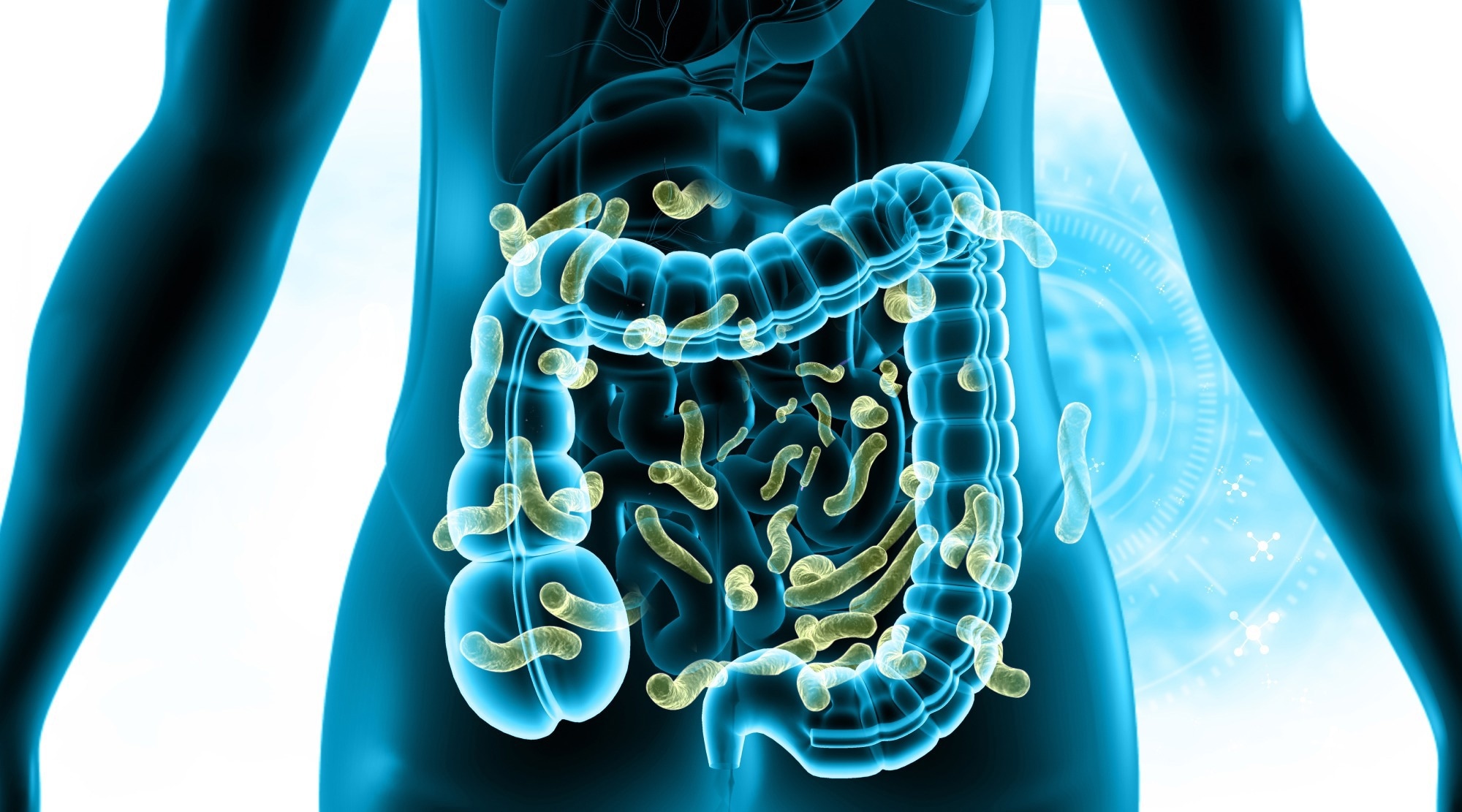
Researchers in the Netherlands and other countries studied genetic variation in gut bacteria using samples from 10,781 people in the Netherlands and Tanzania.
People can have similar gut bacteria but still carry different genetic versions of those bacteria.
The team compared bacterial genetic variants with 244 human traits and exposures, including characteristics such as age and environmental factors.
They identified 940 independent links between bacterial variants and human traits or exposures.
The results show that looking only at which bacterial species are present may miss differences that could be relevant to health.
The study found associations, not proof that bacterial genes cause health outcomes.
Further research is needed to clarify what these genetic links mean for human health and aging.

A large study identified 940 independent associations between gut bacterial genetic variants and human traits or environmental exposures.
Researchers analyzed 11,831 stool samples from 10,781 people across six cohorts.
The study examined 12,706,564 common genetic variants across 433 bacterial species.
The associations included 810 links with intrinsic characteristics and 130 with environmental exposures.
The researchers said the work could help investigate how genetic differences in gut bacteria relate to health.
- Who
- Researchers led by scientists at the University Medical Center Groningen.
- What
- The study examined links between genetic variants in gut bacteria and human traits and environmental exposures.
- When
- The article was published on November 5, 2026. The study was described as recent.
- Where
- Samples came from six cohorts, five in the Netherlands and one in Tanzania.
- Why
- To investigate whether genetic differences in gut bacteria are associated with human health and other characteristics.
This story does not have two clearly opposing sides.
This story does not have a timeline yet.
- Independent association signals
- 940
- Human samples
- 11,831 stool samples from 10,781 people
- Bacterial species
- 433
- Intrinsic-characteristic associations
- 810
- Environmental-exposure associations
- 130
- Study publication
- Nature