

Science & Tech · Science & Environment · 1 hr ago
Freshwater levels fell sharply during the hottest years on record
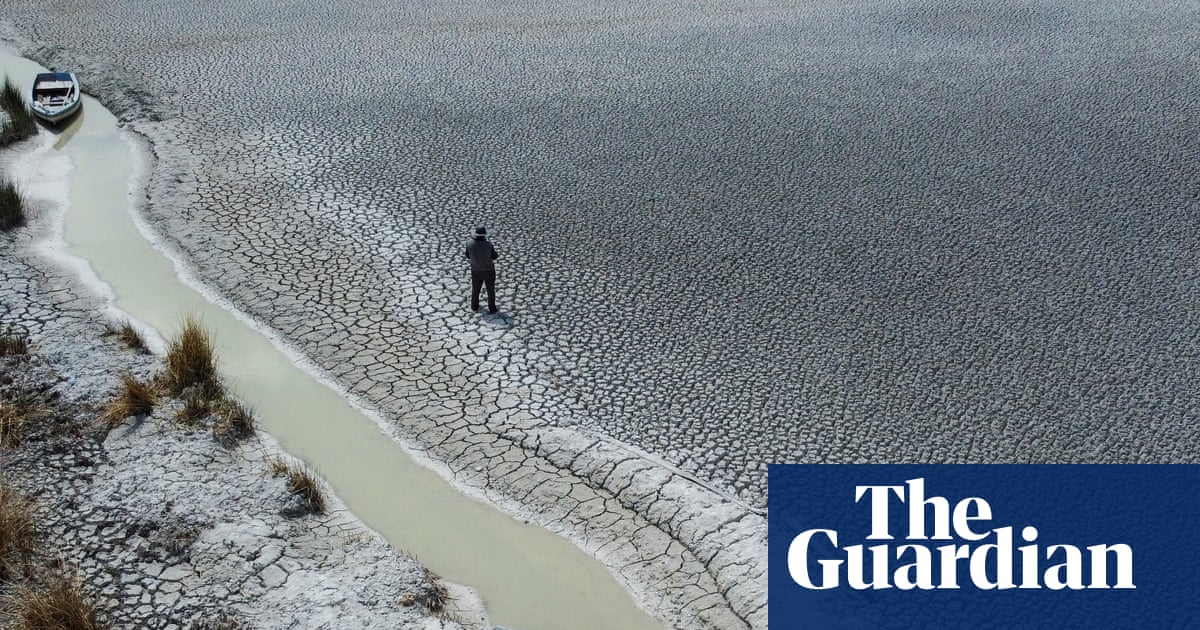
A global study found that surface freshwater declined sharply in 2023 and 2024, the two hottest years on record.
River flows were about 5.7% below normal, while water stored in lakes and reservoirs fell by 9.5%, the largest simultaneous drop since at least 1991.
Researchers combined measurements from 150 major river basins with satellite data on more than 1.2 million lakes and reservoirs.
Heat increases evaporation and draws moisture from land, while some extra rainfall falls over oceans rather than land.
Floods can happen even as rivers run low, because a downpour may cause flooding while water levels remain low for much of the year.
In South America, river flows fell by 17.8% and lake and reservoir water by 16.5%, despite severe flooding in some areas.
The declines put water supplies and ecosystems at risk, and the study says a warming climate makes water availability harder to predict.
The effects are expected to worsen until greenhouse gas emissions are cut and the climate is stabilised.

Global surface freshwater levels fell sharply in 2023 and 2024, the two hottest years on record, an international study found.
The combined decline in river flows and water stored in lakes and reservoirs was the largest synchronised drop since at least 1991.
Global river flows were about 5.7% below normal, while water in lakes and reservoirs fell by 9.5%.
South America saw larger declines, with river flows down 17.8% and lake and reservoir water down 16.5%.
Researchers said extreme heat and a changing water cycle can leave rivers low even in places experiencing severe floods.
- Who
- An international research team led by the Chinese Academy of Sciences. The study examined global rivers, lakes and reservoirs.
- What
- Surface freshwater fell sharply in 2023 and 2024. The decline was the largest synchronised drop since at least 1991.
- When
- In 2023 and 2024, the two hottest years on record.
- Where
- Around the world, with particularly pronounced declines in South America.
- Why
- Researchers linked the declines to extreme global heat and a more extreme water cycle, including increased evaporation and rainfall falling over oceans rather than land.
This story does not have two clearly opposing sides.
Global surface freshwater declined during the two hottest years on record.
Researchers combined river-flow measurements from 150 major river basins with satellite data on more than 1.2 million lakes and reservoirs.
The Guardian published findings from the international study.
- Global river flows
- About 5.7% below normal in 2023–24
- Lakes and reservoirs
- Stored water fell by 9.5% globally
- South America river flows
- Fell by 17.8%
- South America lakes and reservoirs
- Water levels fell by 16.5%
- Research coverage
- 150 major river basins and more than 1.2 million lakes and reservoirs
1 source
What people are saying
The findings highlight an important paradox of climate change: a warmer atmosphere does not necessarily mean more water is available on land.
A river can flood during a downpour and still run low for much of the year.
And, as this study shows, just because we’re experiencing floods doesn’t mean we’re water secure.
This climate whiplash and its impacts on people will continue to worsen until we stabilise the climate by cutting greenhouse gas emissions.