

Health · Medical Research · 5 hrs ago
People with illness and social disadvantage face higher risks in extreme temperatures
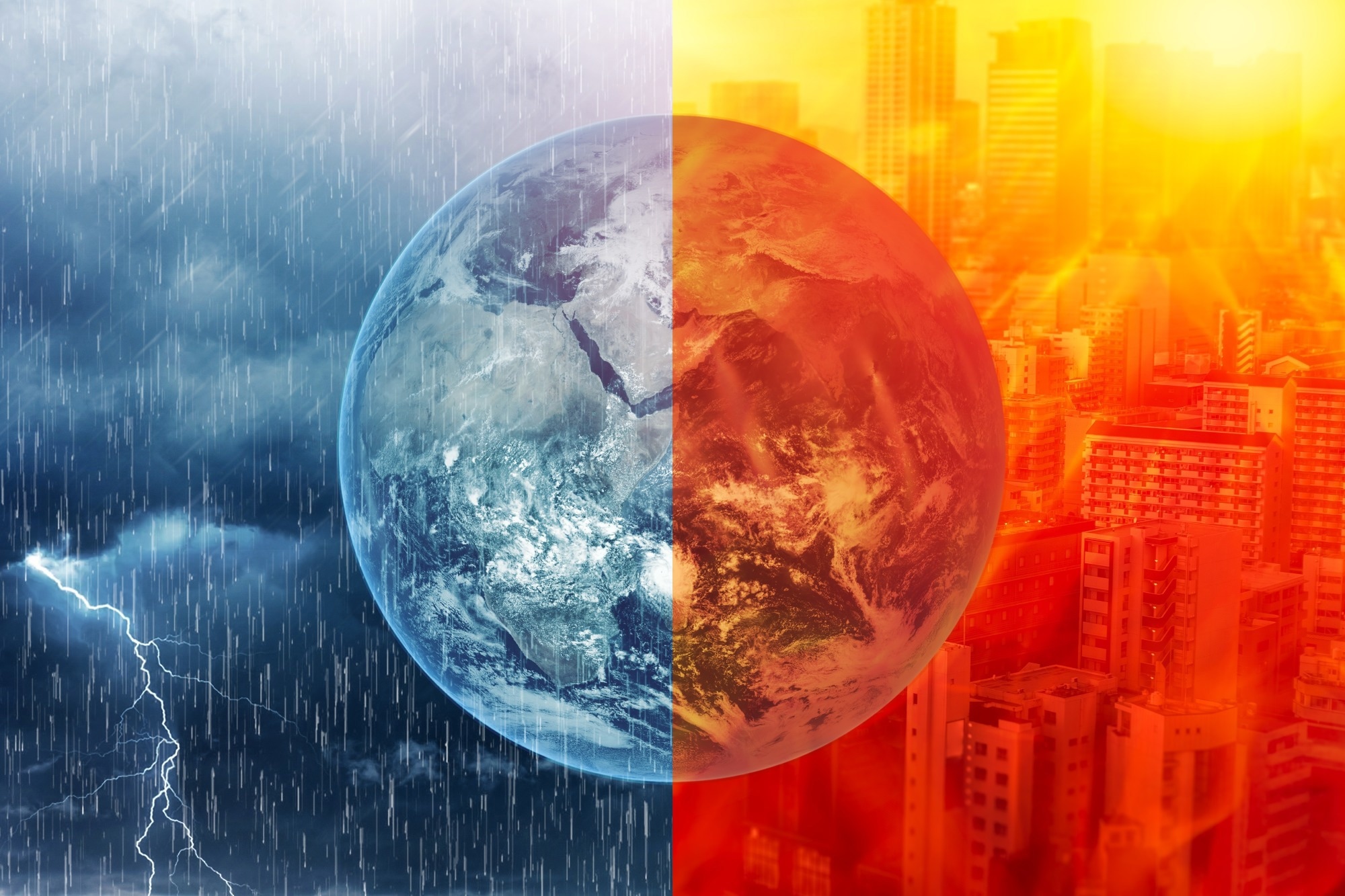
Researchers studied more than 285,000 adults in Finland and the UK to assess how extreme heat and cold affect health.
They compared mortality during the hottest and coldest periods with mortality during moderate temperatures, and also examined emergency hospital visits in Finland.
The study defined clinical vulnerability by the presence of certain chronic diseases and social vulnerability using neighborhood deprivation scores.
People with both health conditions and social disadvantage had more than tenfold higher excess mortality linked to extreme temperatures than people with neither or only one vulnerability.
In Finland, hot periods were linked to higher mortality and more emergency visits, while the estimated increase in cold-related mortality was not statistically significant in the main analysis.
The findings matter because temperature risks may fall unevenly on vulnerable groups as the climate warms.
Climate modeling suggested the share of deaths linked to extreme temperatures could rise from about 1% to more than 5% if warming increases from roughly 1°C to 4°C.

People with both chronic health conditions and social disadvantage had more than ten times the excess mortality linked to extreme heat and cold than people with neither or only one vulnerability.
Researchers analyzed data from more than 285,000 adults in Finland and the UK.
The study compared mortality during extreme and moderate temperatures, and also examined emergency hospital visits in Finland.
Clinical vulnerability was based on 17 chronic diseases or disease groups, while social vulnerability was measured using neighborhood deprivation scores.
The researchers estimated that warming from about 1°C to 4°C could raise the share of deaths attributable to extreme temperatures from about 1% to more than 5% in Finland and the UK.
- Who
- Researchers studied adults in Finland and the UK, including people with chronic diseases and social disadvantage.
- What
- The study examined health risks from extreme heat and cold, finding over tenfold higher excess mortality among people with both vulnerabilities.
- When
- The article was published on November 1, 2026. The study period is not stated.
- Where
- Finland and the UK.
- Why
- The researchers aimed to assess how clinical and socioeconomic vulnerabilities affect health risks during extreme temperatures.
This story does not have two clearly opposing sides.
This story does not have a timeline yet.
- Study population
- 275,763 Finnish adults and 9,681 UK adults
- Clinical vulnerability
- 17 chronic diseases or disease groups
- Extreme-temperature definition
- Hottest and coldest 2.5% of seven-day periods
- Finland heat threshold
- Above 20.4 °C
- Finland cold threshold
- Below –11.4 °C
- Future warming estimate
- Deaths attributable to extreme temperatures could rise from about 1% to more than 5% at 4°C warming