

Business · Economy · 1 hr ago
Bailey says UK inflation peak could be lower if energy prices stay down
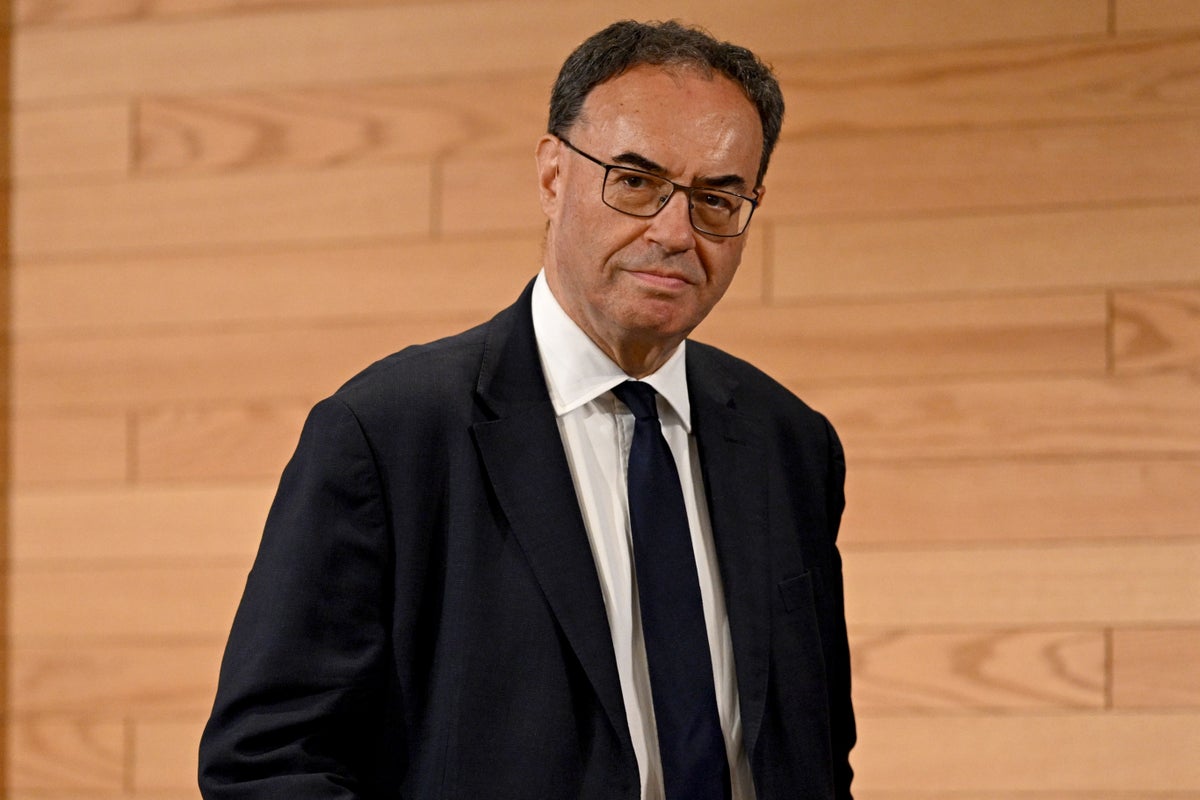
Bank of England governor Andrew Bailey says the UK’s inflation peak could be lower if recent energy price falls last.
The Bank had warned inflation could reach about 5% by the end of the second quarter next year.
Since the Bank’s forecast earlier this month, oil prices have fallen around 10% and gas prices 4%.
The lower peak depends on energy prices staying down, Bailey told MPs at a Treasury Committee session.
If energy prices remain high, the Bank may raise interest rates further to bring inflation under control.
The Bank has already raised its rate from 3.75% to 4%, while higher borrowing costs are adding pressure on households and businesses.
The Bank’s next rate decision is due on December 17, and it will weigh the changing outlook for energy prices.

Bank of England governor Andrew Bailey said Britain’s inflation peak could be lower if energy prices remain at levels reached after recent falls.
The Bank had forecast inflation could peak at around 5% by the end of the second quarter next year.
Bailey said oil and gas prices remain unpredictable and warned that rates may need to rise further if energy prices do not fall and stay down.
Ofgem has confirmed a 26% increase in its energy price cap from January 1.
The Bank is next due to decide on interest rates on December 17.
- Who
- Bank of England governor Andrew Bailey and deputy governor Clare Lombardelli spoke to MPs.
- What
- Bailey said lower energy prices could reduce the inflation peak, while warning that rates may need to rise if prices stay high.
- When
- November 25, 2026. The Bank’s next rate decision is due on December 17.
- Where
- At a Treasury Committee session in Britain.
- Why
- Recent improvements in crude supply have helped lower oil and gas prices, but energy prices remain unpredictable.
This story does not have two clearly opposing sides.
The Bank raised interest rates from 3.75% to 4% and warned inflation could peak at around 5% by the end of the second quarter next year.
Oil and gas prices fell, with Bailey citing improved crude supply.
Brent crude fell below 90 US dollars a barrel, its lowest level since late August.
The Bank is next scheduled to decide on interest rates.
- Interest rate
- Raised from 3.75% to 4% earlier this month
- Inflation forecast
- Peak of around 5% by the end of the second quarter next year
- Oil price change
- Around 10% lower since the Bank’s forecasts earlier this month
- Gas price change
- 4% lower since the Bank’s forecasts earlier this month
- Energy price cap
- Set to rise by 26% on January 1
3 sources
What people are saying
If these current prices were to stay where they are, the peak of inflation mechanically would be lower.
If we stay in the place we were in, back when we met in November, and if we don’t see any reduction in energy prices, so ignore what’s happened subsequently, then it is more likely than not that we will have to raise rates by more.
It weighs really heavily on us how challenging this is for people and for businesses.