

Science & Tech · Science & Environment · 3 hrs ago
Battery strategies could cut supply-chain emissions by 34% by 2050
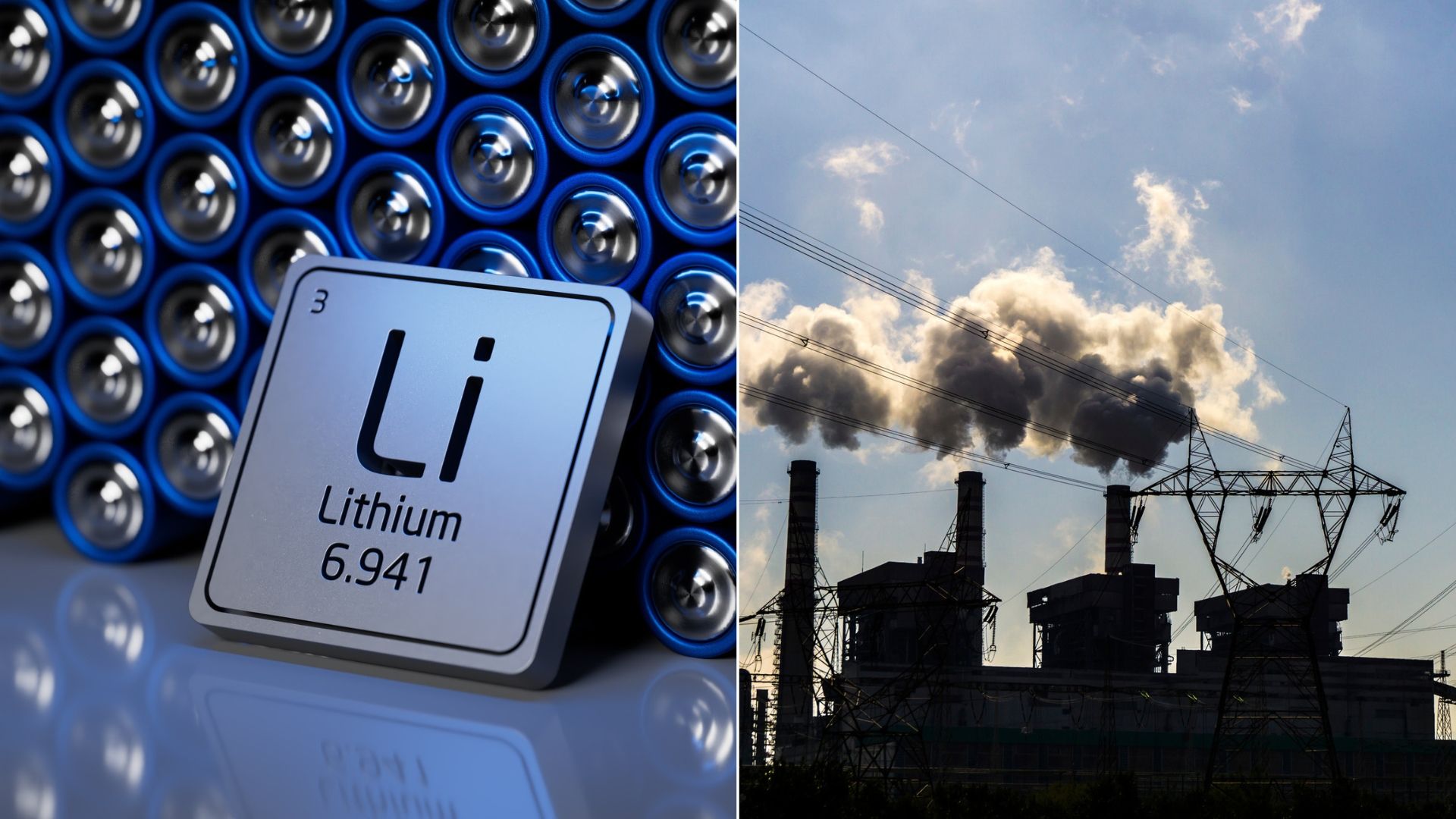
A University of Melbourne study estimates battery emissions could fall 34% by 2050 through cleaner production and better use of batteries.
The research examines lithium-ion batteries used in electric vehicles and large-scale energy storage, as demand for both is expected to grow.
Making batteries with cleaner energy, improving production, using lower-carbon materials and recycling can reduce the footprint of each battery.
The researchers say extending battery life to match a vehicle's lifespan could cut battery demand by 29%.
Limiting battery pack size growth, carpooling and reusing retired vehicle batteries for energy storage could reduce demand further.
Together, these demand-side steps could avoid 6–7.2 billion metric tons of carbon dioxide emissions from 2024 to 2050.
The researchers say the industry should make batteries cleaner and get more use from each one as demand rises.

A University of Melbourne study found that lithium-ion battery supply-chain emissions could fall by about 34 percent by 2050 through cleaner production and measures to reduce battery demand.
Extending battery life, limiting growth in battery size, promoting ride-sharing and reusing retired batteries could reduce demand without slowing electrification.
Together, the demand-side measures examined could avoid 6–7.2 billion metric tons of carbon dioxide emissions between 2024 and 2050.
The study modeled emissions across the battery life cycle, including resource extraction, manufacturing and recycling.
A separate Stanford University analysis published in 2025 found that recycling battery materials produces less than half the greenhouse gas emissions of conventional mining and refining.
- Who
- Researchers at the University of Melbourne conducted the study.
- What
- They found that battery supply-chain emissions could be cut by about 34 percent by 2050. Demand-reduction measures could avoid 6–7.2 billion metric tons of carbon dioxide emissions.
- When
- The study modeled impacts through 2050, with estimated emissions reductions spanning 2024 to 2050. The article was published on October 20, 2026.
- Where
- The analysis covered batteries used in electric vehicles and stationary energy storage, with regional differences in electricity generation and demand.
- Why
- Battery demand is expected to rise as electric vehicles replace gasoline-powered cars and renewable energy systems need large-scale storage.
This story does not have two clearly opposing sides.
The study estimates that demand-side measures could avoid 6–7.2 billion metric tons of carbon dioxide emissions over this period.
A separate Stanford University analysis on battery recycling was published.
The study estimates that cleaner production could reduce the carbon footprint of an individual battery by about 34 percent.
- Supply-chain emissions
- Could fall by about 34 percent by 2050
- Battery life
- Matching battery life to vehicle life could cut battery demand by 29 percent
- Battery pack capacity
- Limiting growth could cut demand by 23 percent
- Ride-sharing
- Wider adoption could reduce battery demand by nearly 10 percent
- Battery reuse
- Repurposing retired EV batteries for stationary storage could lower demand by a further 8 percent
- Combined emissions avoided
- 6–7.2 billion metric tons of carbon dioxide between 2024 and 2050