

Entertainment · Film · 1 hr ago
Pyre portrays an enduring love amid isolation in a hill village
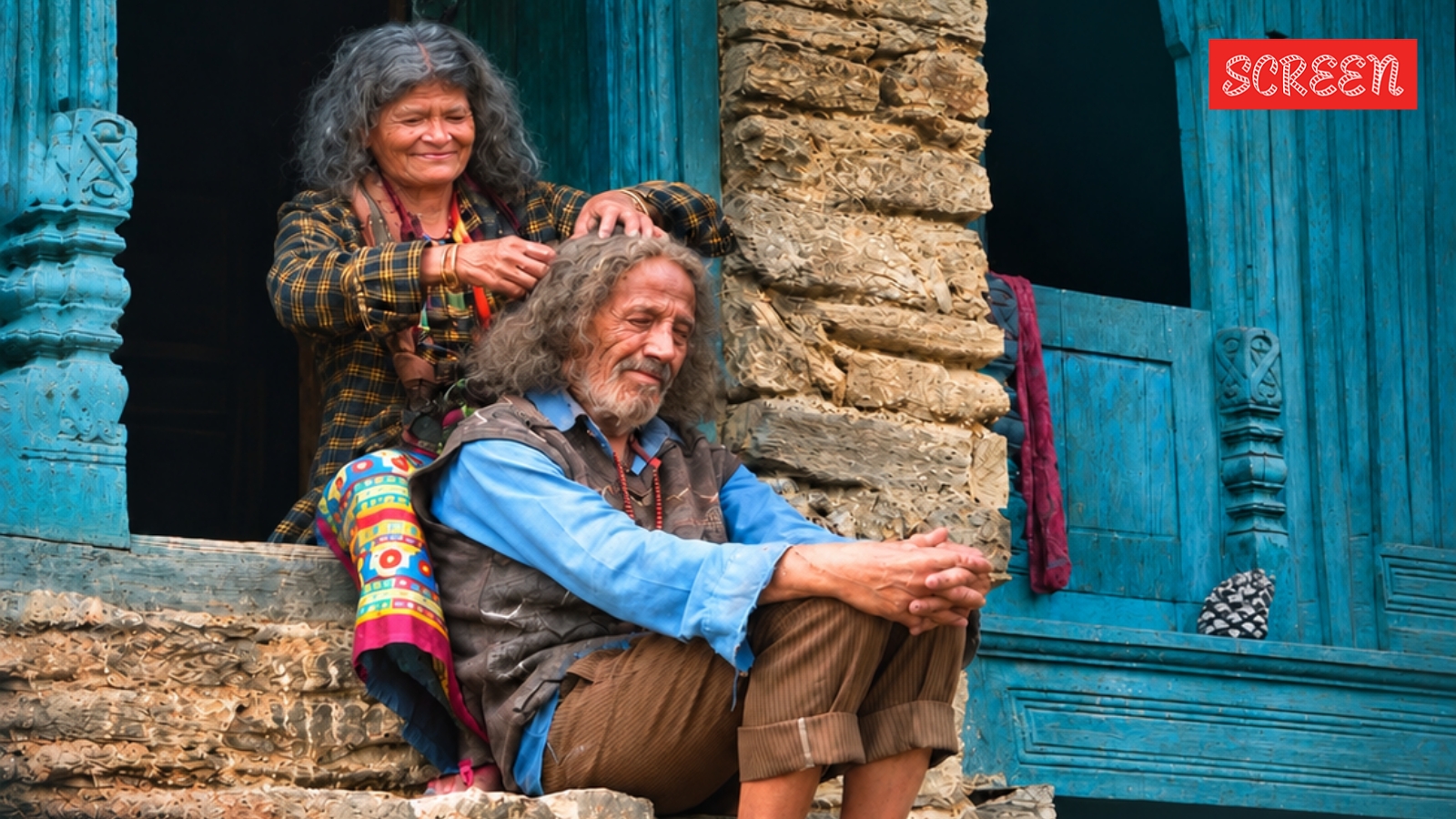
Vinod Kapri’s film Pyre follows Tulsi and Padam, an elderly couple living in a hill village.
They have been married for more than 60 years, and their teasing, quarrels and daily routines show how they care for each other.
The film also presents village life as lonely and demanding, rather than the idyllic existence often imagined for people in the hills.
Their son left for the city 28 years ago and never returned, reflecting how the village is losing its people to cities.
Padam begins building a pyre for Tulsi because he fears no one will be left to prepare one for her if she dies first.
The act highlights their worry about what happens to the surviving partner.
The film frames their bond as a love story shaped by aging, solitude and the prospect of death.

Vinod Kapri’s independent feature Pyre follows Tulsi and Padam, a couple married for more than 60 years.
The film portrays their enduring love through bickering, teasing and everyday acts of care.
They live in a hilltop village that has been losing people to the cities.
Their son left for the city 28 years ago and never returned.
In the latter half of the film, Padam begins building a pyre for Tulsi, fearing no one else will be left to do so.
- Who
- Tulsi, played by Heera Devi, and Padam, played by Padam Singh.
- What
- Pyre portrays the couple’s enduring love and solitude in an aging hill village.
- When
- Not stated
- Where
- A hilltop village; the country is not stated.
- Why
- Not stated
This story does not have two clearly opposing sides.
Tulsi and Padam married.
Their son left for the city and never returned.
Padam begins building a pyre for Tulsi because he fears no one will be left to build one for her.
- Film
- Pyre
- Director
- Vinod Kapri
- Tulsi
- Heera Devi
- Padam
- Padam Singh
- Marriage
- More than 60 years
- Son’s departure
- Left for the city 28 years ago
What people are saying
Perhaps this is what love looks like after sixty years: having exhausted every way of expressing it, only to keep finding new ways of belonging to each other.
There is little of the city’s cynicism, but there is solitude, and the burden of having to invent hopes for yourself in the vastness of a landscape that offers no assurance of tomorrow.