

Science & Tech · Space · 12 hrs ago
Orionid and Taurid Meteor Showers Bring October Skywatching
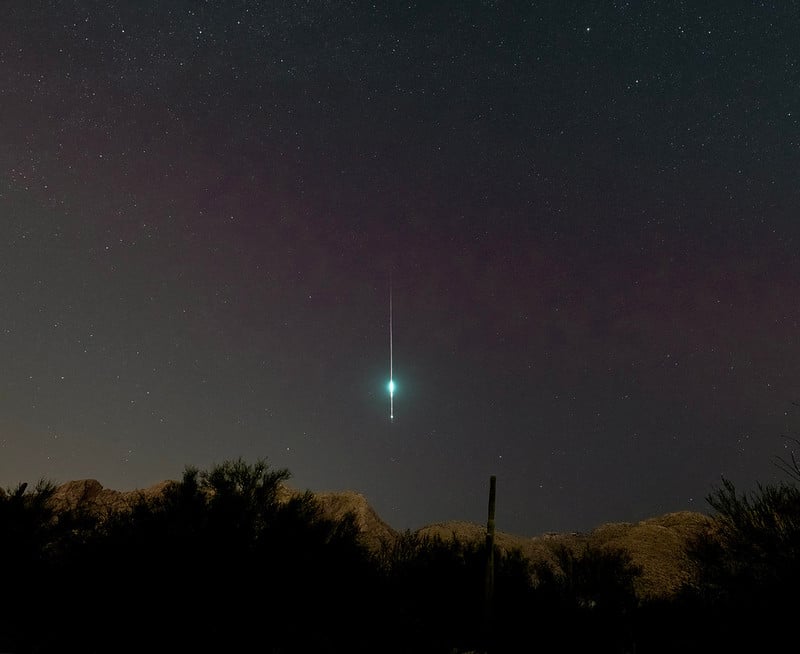
Two annual meteor showers are active in October: the Orionids and the Taurids.
The Orionids come from debris left by Halley’s Comet, while the Taurids come from Comet Encke.
In 2026, the Orionids are expected to peak around October 21, with an estimated rate of up to 20 meteors per hour under ideal viewing conditions.
The Moon will be a waxing gibbous at the Orionids’ peak, five days before the October 26 full Moon.
The Taurids are expected to continue from late October into November and usually produce fewer meteors, but can create bright fireballs.
Their activity may be enhanced this year, and the Taurids are the next extended chance to spot meteors.

The Orionid and Taurid meteor showers offer two opportunities for skywatching in late October and November 2026.
The Orionids are expected to peak around October 21, with a Zenithal Hourly Rate of 20 meteors per hour.
The Taurids are active from late October into November and are known for producing bright fireballs.
The Orionids come from debris linked to Halley’s Comet, while the Taurids come from Comet Encke.
The Moon will be waxing gibbous at the Orionids’ peak, five days before the Full Hunter’s Moon on October 26.
- Who
- Skywatchers observing the Orionid and Taurid meteor showers.
- What
- The two annual meteor showers are expected to be active in late October and November 2026.
- When
- The Orionids are expected to peak around October 21; the Taurids are active from late October into November.
- Where
- In the night sky; the Orionid radiant is near Orion and Gemini.
- Why
- Earth’s passage through debris streams linked to Halley’s Comet and Comet Encke produces the showers.
This story does not have two clearly opposing sides.
Halley’s Comet reached aphelion, according to the article.
The Orionid meteor shower is expected to peak.
The Full Hunter’s Moon is expected, five days after the Orionids’ peak.
The Taurid meteor stream is active.
Comet Encke is expected to reach perihelion.
- Orionid peak
- Around October 21, 2026
- Orionid rate
- Zenithal Hourly Rate of 20 meteors per hour
- Taurid activity
- Late October into November
- Orionid source
- 1P/Halley
- Taurid source
- 2P/Encke
- Full Hunter’s Moon
- October 26, 2026
What people are saying
October-November is my favorite time for meteor observing