

Science & Tech · Space · 5 hrs ago
Super Strypi rocket failure destroyed 13 satellites in 2015
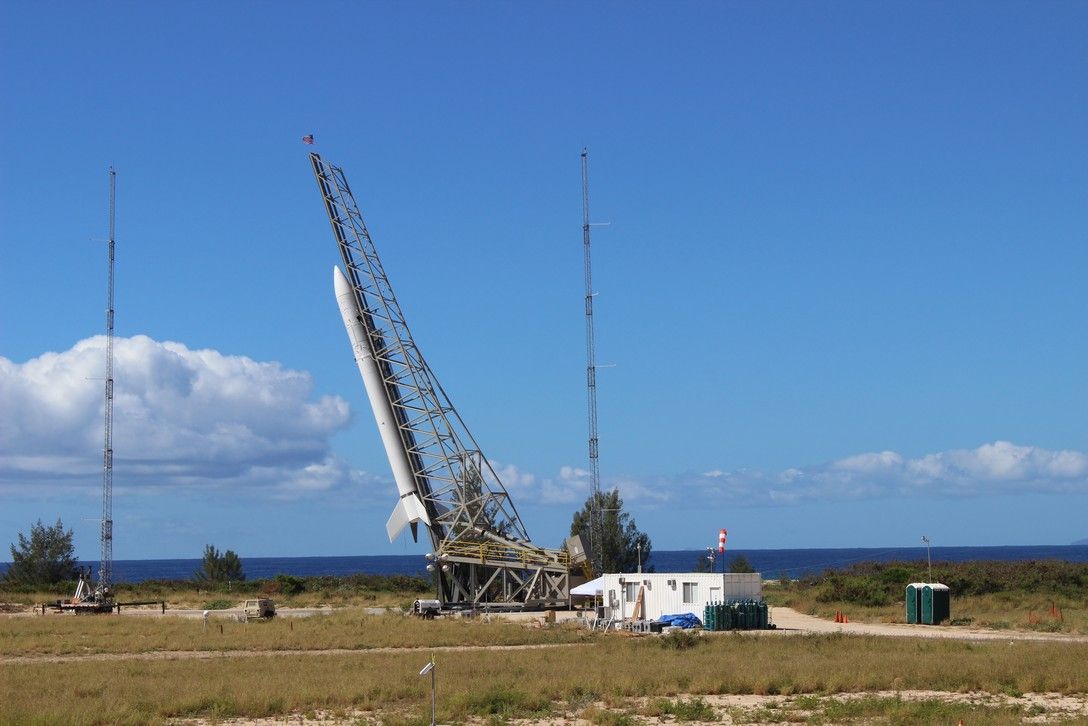
In 2015, the US Air Force tested its Super Strypi rocket from a launch site in Hawaii.
The rocket lifted off but spun out of control and crashed less than a minute later, destroying all 13 satellites aboard.
The satellites included an Air Force Earth-imaging mission and small spacecraft built for NASA and universities.
Investigators pointed to a likely problem with the rocket’s first-stage motor, and the Super Strypi program never flew again.
The Air Force had hoped the rocket would offer a quick, lower-cost way to launch small payloads for national security needs.
The Space Force has since turned to commercial launch providers, including Rocket Lab, for rapid-response missions.

The U.S. Air Force’s Super Strypi rocket failed during its debut launch on Nov. 4, 2015, destroying all 13 satellites aboard.
The rocket lifted off from the Pacific Missile Range Facility in Hawaii and spun out of control less than a minute into the flight.
The cause was likely a problem with the first-stage motor, according to Space.com.
The Air Force did not launch another Super Strypi, and the program did not recover from the failure.
The rocket was designed to provide quick-response launches for small payloads.
- Who
- The U.S. Air Force launched the Super Strypi rocket, carrying 13 satellites.
- What
- The rocket failed and crashed, destroying all 13 satellites.
- When
- Nov. 4, 2015. It lifted off about 9:45 p.m. local time on Nov. 3.
- Where
- The Pacific Missile Range Facility off Barking Sands, Kauai, Hawaii.
- Why
- The failure was likely caused by a problem with the first-stage motor. The rocket was intended to support quick-response launches.
This story does not have two clearly opposing sides.
Super Strypi lifted off from Hawaii at about 9:45 p.m. local time.
The rocket spun out of control and crashed, destroying its 13 satellites.
The Air Force did not attempt another Super Strypi launch.
The Space Force teamed up with Rocket Lab for the Victus Haze mission, using 17 hours’ notice to demonstrate short-turnaround launch response.
- Satellites lost
- 13
- Launch site
- Pacific Missile Range Facility, off Barking Sands, Kauai, Hawaii
- Rocket
- Super Strypi
- Primary payload
- ORS-4, also called HiakaSat
- Designed payload capacity
- Up to 300 kilograms
- Designed mission cost
- $15 million per mission