

Business · Companies · 1 day ago
Conventional Weapons Still Drive Growth as Defence Technology Advances
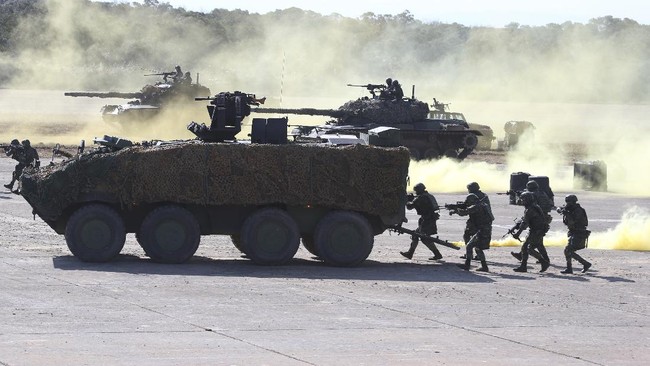
Drones and artificial intelligence are changing modern warfare, but demand for tanks, fighter jets and other conventional weapons remains strong.
Defence companies in the United States and Europe reported growth in conventional weapons alongside rising interest in sensors, autonomous systems and ways to counter drones.
Lockheed Martin’s missile revenue rose 24% in the third quarter of 2026, while German supplier Renk reported a 46% increase in military vehicle orders during the first nine months of the year.
New technology is being added to conventional weapons, rather than simply replacing them: tanks and other equipment are increasingly linked to data networks, and Hensoldt said much of its optoelectronics growth came from equipment for tanks and armoured vehicles.
Rheinmetall’s air-defence business, which includes systems to counter drones, grew 63%, although the company lowered its full-year outlook because of project delays.
NATO plans to invest more than $40 billion in counter-drone capabilities over the next five years.
The figures show that defence companies are benefiting from both conventional equipment and newer technologies, though concerns remain that new systems could reduce demand for older weapons.

Conventional weapons remain a major source of growth for defence companies despite rapid advances in drones and artificial intelligence.
Lockheed Martin’s missile revenue rose 24% in the third quarter of 2026, while German supplier Renk’s military-vehicle orders increased 46% in the first nine months of the year.
Companies are also reporting growth in newer capabilities, including optoelectronics and air defence systems.
Hensoldt’s finance chief said conventional equipment continues to drive growth, while Morningstar said drones are changing conventional platforms rather than replacing them.
NATO plans to invest more than US$40 billion in counter-drone capabilities over the next five years.
- Who
- Defence companies in the United States and Europe, including Lockheed Martin, RTX, Renk, Hensoldt and Rheinmetall.
- What
- Conventional weapons remain a driver of growth as companies also expand newer defence technologies.
- When
- The companies’ reported results include the third quarter of 2026 and the first nine months of the year.
- Where
- The United States and Europe.
- Why
- Demand for conventional equipment remains strong, while military forces also seek advanced sensors, autonomous systems and defences against drones.
Concern that new technology could displace conventional weapons
Hensoldt and Morningstar
Effect of drones and new technology
Concern that new technology could displace conventional weapons
New technology may reduce demand for conventional military equipment.
Hensoldt and Morningstar
Drones are changing conventional platforms rather than replacing them.
Lockheed Martin reported a 24% rise in revenue from its missile business.
Renk reported a 46% increase in orders for its military-vehicle business.
NATO plans to invest more than US$40 billion in counter-drone capabilities.
- Lockheed Martin missile revenue
- Up 24% in the third quarter of 2026
- Renk military-vehicle orders
- Up 46% in the first nine months of the year
- Hensoldt optoelectronics revenue
- Up 52%
- Rheinmetall air-defence revenue
- Up 63%
- NATO counter-drone investment plan
- More than US$40 billion over five years