

Business · Economy · 2 hrs ago
Housing costs push 770,000 Spanish workers below poverty line, Oxfam says
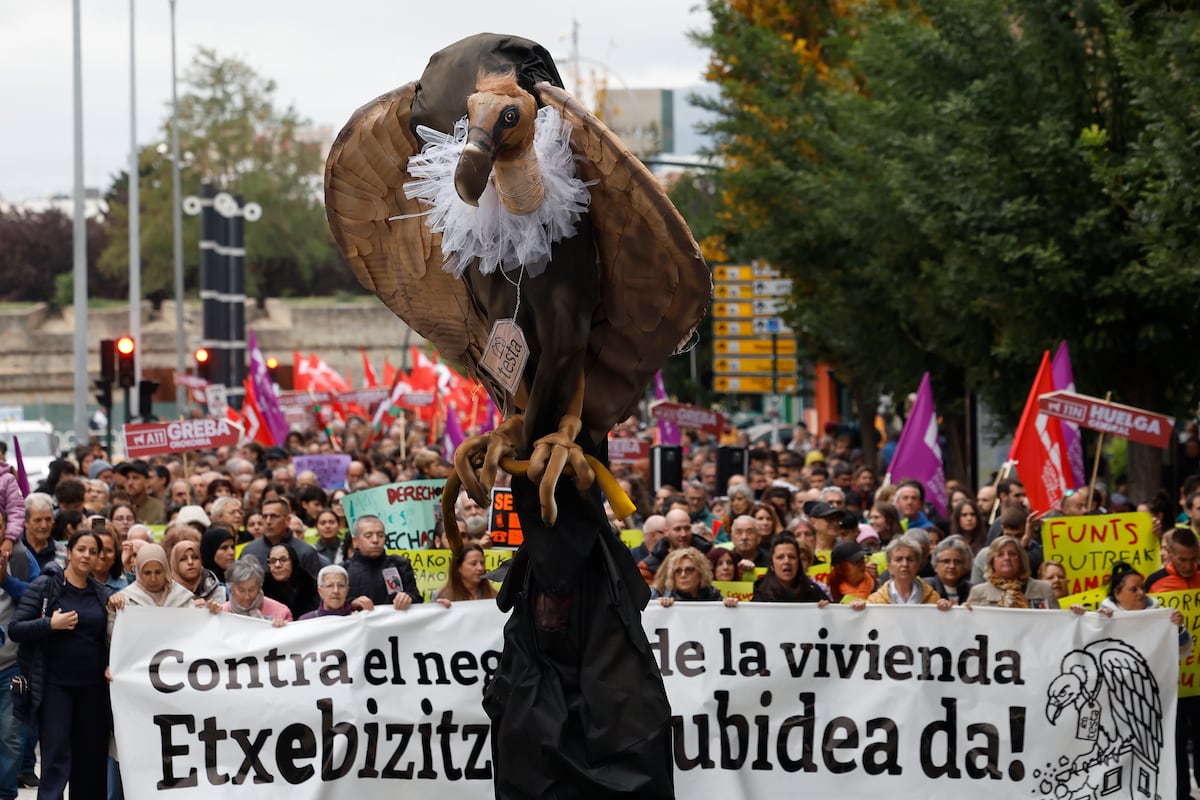
Housing costs push 770,000 more workers in Spain into poverty, according to an estimate by Oxfam Intermón.
The figure brings the number of workers in poverty to nearly three million, compared with about 2.2 million before housing costs are counted.
The estimate uses a measure that counts people as working if they worked at least seven months in the year and compares household income with a poverty threshold.
After housing costs, the share of workers in poverty rises from 11.48% to 15.49%.
The strain is greatest for people renting at market prices: their poverty rate rises from 19.35% to 34.08% after housing costs.
Oxfam says renters, migrants from outside the EU and people in precarious essential jobs are especially vulnerable, and the figures vary across Spain's regions.

Oxfam Intermón estimates that housing costs push an additional 770,000 employed people in Spain below the poverty line.
The number of workers in poverty rises from about 2.2 million before housing costs to nearly three million after they are counted.
The estimated rate of in-work poverty rises from 11.48% to 15.49%.
Workers renting at market rates are particularly affected: their poverty rate rises from 19.35% to 34.08% after housing costs.
Oxfam says the impact is greater for tenants and identifies migrants from outside the EU and workers in precarious essential jobs as especially vulnerable.
- Who
- About 770,000 employed people in Spain, according to Oxfam Intermón.
- What
- Housing costs push them below the poverty line, the organisation estimates.
- When
- The report was published on Tuesday, 20 October 2026, according to the articles.
- Where
- Spain.
- Why
- Housing costs, including rent and mortgage payments, leave some employed people with incomes below the poverty threshold.
This story does not have two clearly opposing sides.
The income data used for the analysis came from the Spanish Survey of Living Conditions.
Oxfam Intermón published its report on housing costs and in-work poverty.
- Additional workers pushed into poverty
- 770,000
- Workers in poverty before housing costs
- About 2.2 million
- Workers in poverty after housing costs
- Nearly 3 million
- In-work poverty rate before housing costs
- 11.48%
- In-work poverty rate after housing costs
- 15.49%
- Market-rate renters’ poverty rate after housing costs
- 34.08%
2 sources
What people are saying
Evictions are the most extreme face of the housing crisis, but not the only one. There is another, less visible reality: people who work and manage to pay for their home each month with difficulty, but afterwards do not have enough income for a dignified life.