

World · Latin America · 7 hrs ago
Child labor in Mexico fell only slightly in a decade
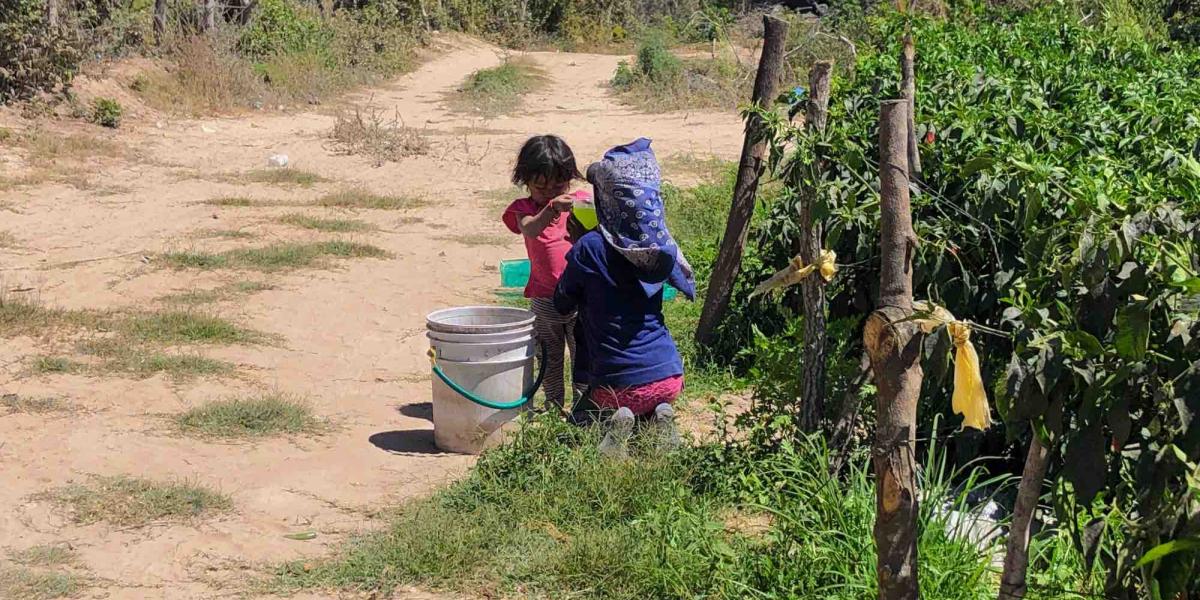
About 3.5 million children aged 5 to 17 worked in prohibited or harmful activities in Mexico, only slightly fewer than a decade earlier, when the figure was 3.6 million.
Low household incomes can push children into work so they can help support their families.
Child labor is more common in rural and less urban areas, where the rate is 15.7%, compared with 8.4% in urban areas; Guerrero, Oaxaca and Chiapas have the highest levels.
Children out of school are much more likely to work: the rate is 48.4% among those not attending school, versus 9.9% among those who are.
Long work hours can disrupt education and reduce children’s time to study and rest.
This can limit their future job opportunities and help keep families in poverty across generations.

Child labor in Mexico declined only slightly over a decade, from 3.6 million children to 3.5 million.
The figures cover children aged 5 to 17 working in prohibited activities or work harmful to their development.
Specialists say insufficient household income and poverty continue to push some children into work.
Child labor is more common in rural and less urbanized areas, and in Guerrero, Oaxaca and Chiapas.
Working children are much more likely to be out of school than children who remain in education.
- Who
- Children aged 5 to 17 in Mexico who work in prohibited activities or work harmful to their development.
- What
- Child labor fell from 3.6 million to 3.5 million over a decade. Specialists say poverty and insufficient household income help keep it prevalent.
- When
- The comparison covers 2015 to 2025.
- Where
- Mexico, with higher rates in rural and less urbanized areas and the states of Guerrero, Oaxaca and Chiapas.
- Why
- Some families lack sufficient income, so children work to help support themselves and their households.
This story does not have two clearly opposing sides.
The number of boys aged 5 to 17 working was 2.2 million, while the number of girls was 1.4 million.
65.7% of households in labor poverty remained in that situation the following year.
The number of children aged 5 to 17 working in prohibited or harmful activities was 3.5 million; 2.1 million were boys and 1.4 million were girls.
- Children working
- 3.5 million in 2025, down from 3.6 million a decade earlier
- Rural and less urbanized areas
- Child labor rate of 15.7%, compared with 8.4% in urban areas
- States with highest levels
- Guerrero, Oaxaca and Chiapas
- Households facing a serious adverse event
- 83.3% of households with working children experienced at least one in the previous three years
- School attendance
- Child labor rate was 48.4% among children not attending school, compared with 9.9% among those attending
What people are saying
That children work is still a sign that the family has to take them to work because they do not have enough and have no other way to do it except for the children to start working
Child labor continues to be a structural problem in Mexico. Its persistence, differences by sex, the high proportion of children and adolescents who do not attend school, and the presence of long working hours point to conditions that may limit their future opportunities
Child labor can contribute to the intergenerational reproduction of inequalities by restricting the accumulation of educational skills and making it harder to later access higher-quality jobs