

Business · Energy & Commodities · 3 hrs ago
Prolonged Iran War Keeps Oil Prices High Into 2027
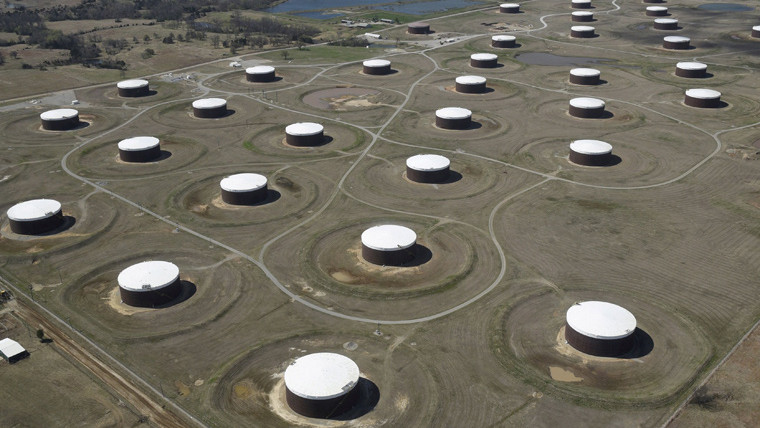
The U.S. and Israeli war with Iran is expected to keep oil supply tight for longer than markets first anticipated.
Brent crude futures for January 2027 were trading at $102.59 a barrel, while the December 2027 contract was at $84.75.
Oil flows from the Persian Gulf have not brought lasting price relief, as tanker risks and costly shipping arrangements continue to disrupt the market.
Iranian strikes on tankers in the Strait of Hormuz and attacks on Middle Eastern refineries are adding to pressure on oil and fuel supplies.
The International Energy Agency plans to release more than 20 million barrels of diesel from member countries’ reserves, with the total potentially reaching 50 million barrels.
Those reserves are limited, and replacing them may be difficult because the world lacks refining capacity.
High energy costs could keep inflation elevated and weigh on the global economy, while governments have limited room to provide temporary relief; the IEA still expects oil supply to rebound if peace comes.

Oil prices are expected to stay high into 2027 as the U.S. and Israeli war with Iran keeps supply tight.
Brent crude futures for January 2027 were trading at $102.59 per barrel, while the December 2027 contract was at $84.75.
Shipments through the Persian Gulf have reportedly recovered to pre-war levels, but costly transport and doubts about official figures have limited the effect on prices.
Iran has been striking tankers in the Strait of Hormuz, while attacks on Middle Eastern refineries have tightened fuel supplies, especially diesel.
The International Energy Agency plans to release more than 20 million barrels of diesel from its collective inventory to help ease the shortage.
- Who
- Oil market participants, the International Energy Agency, and producers and users of oil are affected.
- What
- Oil prices are expected to remain high into 2027 as war-related supply constraints persist.
- When
- The article was published on October 17, 2026; it discusses prices and supply into 2027.
- Where
- The conflict and supply disruptions affect Iran, the Persian Gulf, and the Strait of Hormuz.
- Why
- Tanker attacks, refinery damage, costly shipping arrangements, and doubts about reported oil flows are keeping supplies tight.
This story does not have two clearly opposing sides.
Oil markets largely expected the conflict to end soon.
A brief ceasefire reinforced expectations that the war would end soon.
OilPrice reported that prices were expected to stay high as the war kept supply tight.
IEA members agreed to an inventory release, and the agency said it would begin releasing more than 20 million barrels of diesel.
- January 2027 Brent futures
- $102.59 per barrel
- June 2027 Brent futures
- $92.71 per barrel
- December 2027 Brent futures
- $84.75 per barrel
- Planned IEA diesel release
- More than 20 million barrels
- Potential total diesel release
- 50 million barrels
- IEA projected global oil supply
- 108.3 million barrels daily