

Science & Tech · Space · 16 hrs ago
Ole Rømer used Io’s eclipses to show that light travels at a finite speed
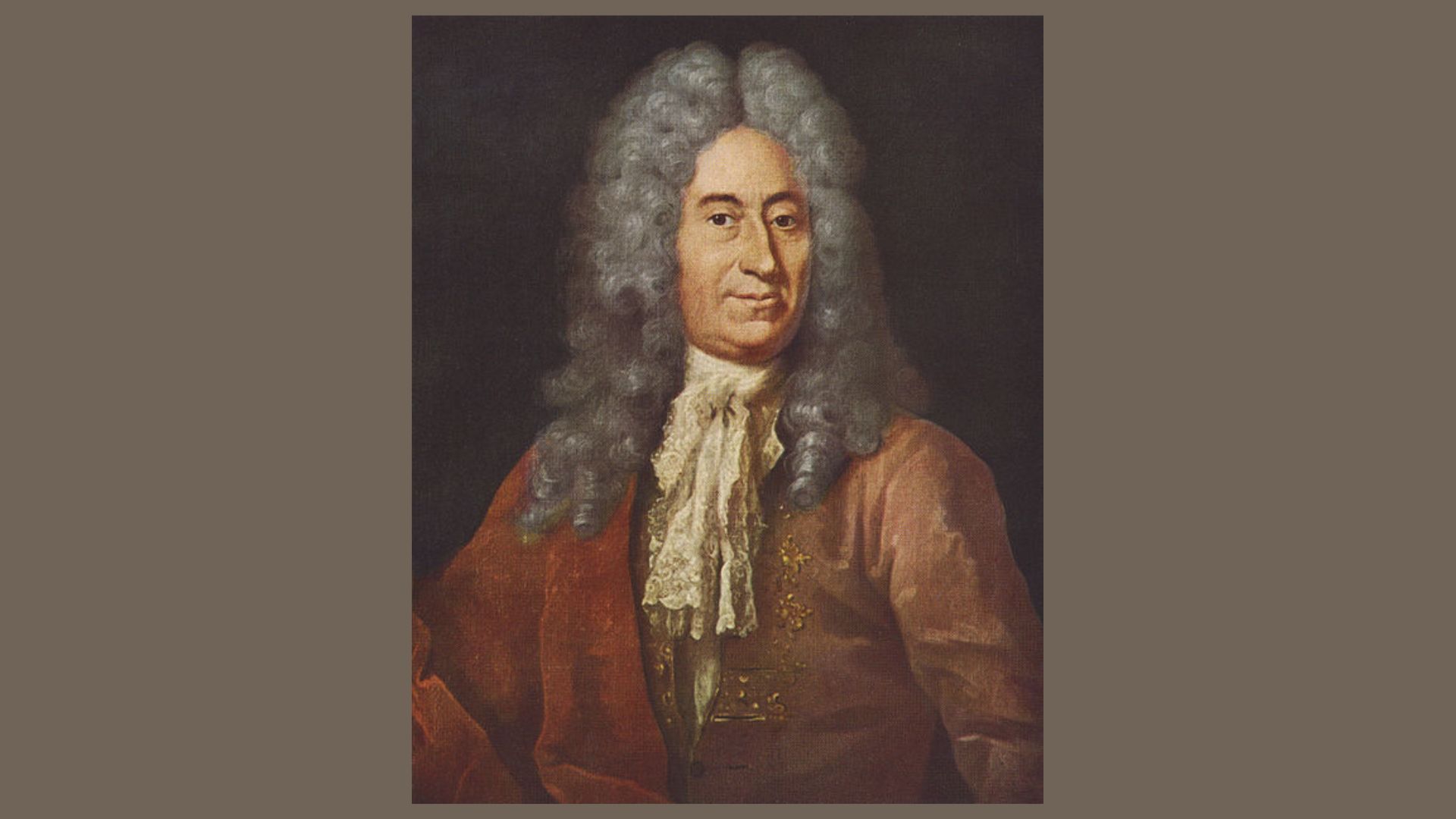
In 1676, Danish astronomer Ole Rømer showed light has a finite speed after studying Jupiter’s moon Io.
He tracked Io as it disappeared behind Jupiter and reappeared, hoping to use its orbit as a clock.
The eclipses did not happen at the same times: they were 11 minutes early when Earth was closest to Jupiter and 11 minutes late when the planets were farthest apart.
Rømer linked the timing shifts to the changing distance light had to travel between Jupiter and Earth.
On November 21, he presented his findings to the Royal Academy of Sciences.
His discovery helped scientists measure the scale of the universe and became important to modern physics; the speed of light is a limit that objects with mass cannot reach.
The sources describe no further event or next step.

Ole Rømer presented evidence on Nov. 21, 1676, that light travels at a finite speed.
The Danish astronomer reached his conclusion while studying eclipses of Jupiter’s moon Io.
He found that the eclipses occurred about 11 minutes early when Earth was closest to Jupiter and about 11 minutes late when the planets were farthest apart.
Rømer had been tracking the eclipses to estimate how long Io takes to orbit Jupiter.
His findings challenged the belief that light travels instantaneously.
- Who
- Danish astronomer Ole Rømer.
- What
- He showed that light travels at a finite speed by studying Io’s eclipses.
- When
- Nov. 21, 1676.
- Where
- He presented his findings to the Royal Academy of Sciences.
- Why
- He was studying Io’s eclipses to determine its orbital period and noticed their timing varied with the distance between Earth and Jupiter.
This story does not have two clearly opposing sides.
Rømer repeatedly observed Io disappear behind Jupiter and reappear, tracking eclipses about every 42 hours.
Rømer made an accurate prediction for an eclipse of Io.
Rømer presented his findings to the Royal Academy of Sciences and explained that light’s finite speed caused the timing differences.
- Astronomer
- Ole Rømer
- Moon observed
- Io, a moon of Jupiter
- Eclipse timing difference
- About 11 minutes early or late
- Presentation date
- Nov. 21, 1676
- Prediction date
- Nov. 9, 1676
What people are saying
The speed of light becomes a sort of ultimate speed limit
In fact, objects with mass, be they cars or neutrinos, can't reach the speed of light because they would need infinite energy to do so.