

Science & Tech · Space · 8 hrs ago
Hubble and Webb identify 27 small objects beyond Neptune
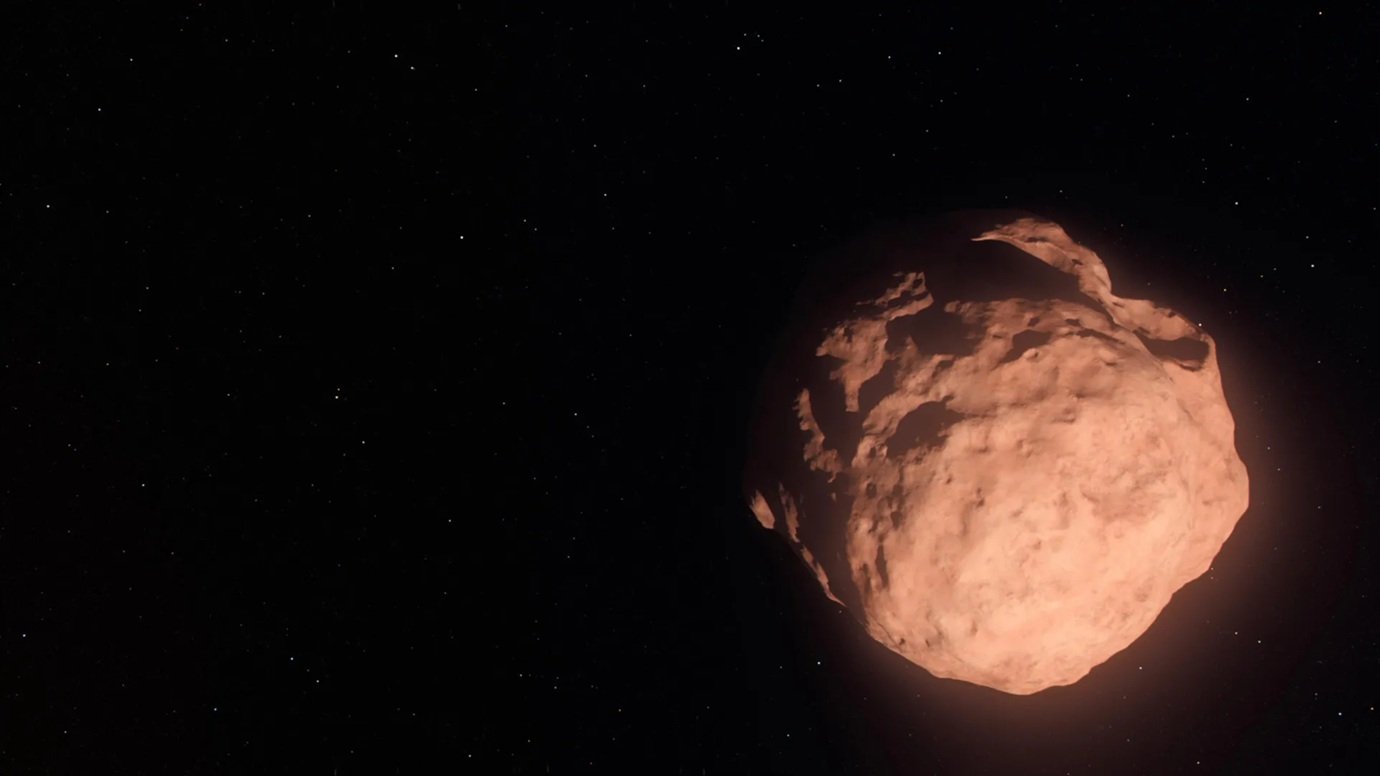
Hubble and James Webb identified 27 small icy objects beyond Neptune, in the outer Solar System.
These bodies, called trans-Neptunian objects, orbit the Sun beyond Neptune and are remnants of the Solar System’s early formation.
Researchers from teams linked to the University of Victoria in Canada and Northern Arizona University in the United States combined visible-light and infrared observations to study them.
The objects’ colors and sizes offered clues about their surfaces and possible origins.
The researchers found that small objects had color patterns similar to larger bodies in the same orbital groups, suggesting they may have preserved features from where they formed.
The findings could help explain how the planets formed, because these distant objects may retain traces of conditions from billions of years ago.
Scientists have not yet determined why the objects retained those features; they may have experienced fewer collisions than expected, or their surfaces may have survived impacts with their original characteristics.

Hubble and the James Webb Space Telescope identified 27 small objects beyond Neptune.
The icy objects are considered remnants of the Solar System’s early formation.
Two studies based on observations from both telescopes were published in September in The Astronomical Journal.
The researchers found fewer small objects than some planet-formation models predicted.
The small objects had surface-colour patterns similar to those of larger objects in the same populations.
- Who
- Research teams linked to the University of Victoria in Canada and Northern Arizona University in the United States.
- What
- Hubble and the James Webb Space Telescope identified 27 small trans-Neptunian objects.
- When
- The studies were published in September; the year is not stated in the article text.
- Where
- Beyond Neptune, in the outer Solar System.
- Why
- To study the objects’ characteristics and learn about conditions during planet formation.
This story does not have two clearly opposing sides.
This story does not have a timeline yet.
- Objects identified
- 27 small trans-Neptunian objects
- Smallest object
- Approximately 5 kilometres in diameter
- Study publication
- September, The Astronomical Journal
- Research institutions
- University of Victoria and Northern Arizona University