

Business · Companies · 14 hrs ago
Future Pipe says Gulf factories kept running despite regional disruption
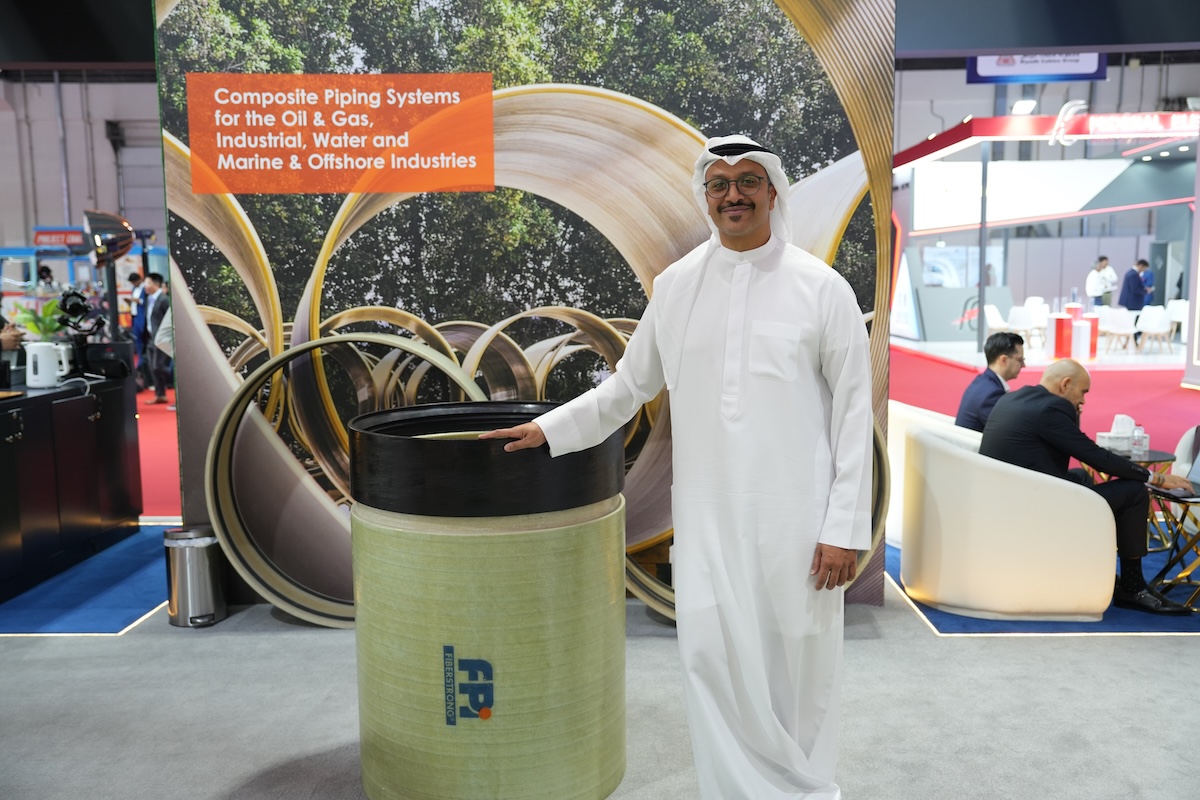
Future Pipe Industries says its factories kept running despite supply chain disruption across the Gulf linked to the Middle East war.
The company says none of its projects were canceled, although governments are deciding which ones to prioritize.
President Omar Al-Busaidy said stockpiles built after lessons from the COVID-19 pandemic helped keep production going.
When the Strait of Hormuz was affected, the company used its five Gulf factories and sought raw materials from Saudi Arabia and Oman, as well as other suppliers.
Governments are also speaking directly with manufacturers to ensure supplies continue, rather than relying only on contractors.
Future Pipe says it is discussing projects with authorities in Saudi Arabia, the UAE and Qatar, including work tied to Saudi Arabia’s Vision 2030.
Al-Busaidy expects more infrastructure and pipe demand as the region develops, and the company is investing more in artificial intelligence and other technologies.

Future Pipe Industries says its Gulf factories kept operating during regional disruption and no projects were canceled.
President Omar Al-Busaidy said the company used stockpiles to maintain production.
The company sourced raw materials from Saudi Arabia and Oman and found alternatives in Asia and Turkey when the Strait of Hormuz was affected.
Governments in the region have begun speaking directly with manufacturers to secure supplies, Al-Busaidy said.
He expects more infrastructure development and demand for pipes as the region’s economy rebounds.
- Who
- Future Pipe Industries and its president, Omar Al-Busaidy.
- What
- The company says its Gulf factories continued operating and no projects were canceled despite regional disruption.
- When
- The disruption occurred this year. The interview was published on October 23, 2026.
- Where
- Across the company’s Gulf markets, including Saudi Arabia, the UAE and Qatar.
- Why
- The company planned ahead and built up stockpiles, Al-Busaidy said.
This story does not have two clearly opposing sides.
Future Pipe learned lessons that Al-Busaidy said informed its planning.
The company made a commitment at Make it in the Emirates to invest in local raw-material firms.
The Strait of Hormuz was affected, and Future Pipe turned to its Gulf factories and alternative sources of raw materials.
Arab News published Al-Busaidy’s account of the company’s operations and outlook.
The IMF expects a 9.1 percent GCC rebound, according to the article, if the conflict ends.
- Gulf projects
- No cancellations reported by Future Pipe
- Gulf factories
- Five
- Worldwide factories
- 11
- Dammam plant
- Around 1,000 employees
- GCC rebound forecast
- 9.1 percent in 2027
- Raw-material sources
- Saudi Arabia and Oman; alternatives from Asia and Turkey
What people are saying
As of today, we’ve not had projects that were canceled
We were able to have enough stockpile to keep our factories running throughout the entire time
Government departments are talking directly to manufacturers, because they want to make sure that we, as suppliers, continue our commitment to produce and deliver
100 percent