

Science & Tech · Cybersecurity · 20 hrs ago
Ahold Delhaize cyberattack disrupts online services in the US and Europe
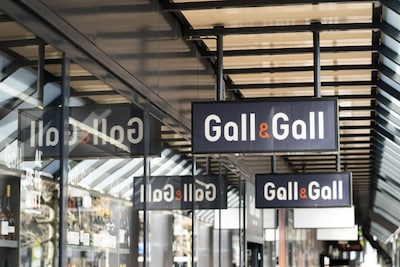
A cyberattack forced Ahold Delhaize to take some systems offline, disrupting online services across its US and European brands.
The Dutch retail group owns chains including Albert Heijn, Stop & Shop, Food Lion and Delhaize.
Its physical stores remained open, but customers and employees faced problems using some websites, apps and services.
The company says the investigation has found no evidence that sensitive customer, employee or partner data was stolen, though it is still underway.
Online services are returning in stages: Belgian e-commerce is working, Dutch brand websites are back, and US online shopping is expected to resume in the coming days.
Albert Heijn home deliveries are expected to restart on Friday, October 23.
Ahold Delhaize notified Dutch cybersecurity authorities and filed a police report as it continues responding to the attack.
The company also suffered a major cyberattack in 2024, when data belonging to more than 2.2 million people was compromised.

Ahold Delhaize said a cyberattack caused it to take some IT systems offline, disrupting online services across most of its US and European brands.
Physical stores remained open, and the company said it had found no evidence that sensitive customer, employee or partner data was stolen.
The company is restoring services in phases, with some US e-commerce services expected to resume in the coming days.
Websites and apps for Dutch brands Albert Heijn, Etos and Gall & Gall were back online, and Belgian e-commerce was fully operational.
Ahold Delhaize notified Dutch cybersecurity authorities and filed a police report in the Netherlands.
- Who
- Ahold Delhaize, a Dutch multinational grocery retailer.
- What
- A cyberattack led the company to take some IT systems offline and disrupted online services across its US and European brands.
- When
- The company disclosed the incident on October 12 and confirmed on Monday, October 19, that malicious actors were responsible.
- Where
- Ahold Delhaize brands across the United States and Europe, including the Netherlands and Belgium.
- Why
- The company said malicious actions caused the incident; it took systems offline as a precaution to help protect them.
This story does not have two clearly opposing sides.
Ahold Delhaize first disclosed a security issue in its network.
The company notified the Dutch National Cyber Security Centre.
The company said malicious actors caused the incident and filed a police report with Dutch police.
Albert Heijn home deliveries were expected to resume.
- Affected regions
- United States and Europe
- Dutch brands restored
- Albert Heijn, Etos and Gall & Gall websites and apps
- Belgium
- E-commerce fully operational
- US e-commerce
- Services expected to return in the coming days
- Previous breach
- More than 2.2 million people’s data was compromised in a November 2024 attack
12 sources
Ahold loopt tientallen miljoenen mis na cyberaanval, ‘marktaandeel Albert Heijn zakt weg’
Ahold Delhaize Restoring Services Disrupted by Cyberattack
Marktaandeel Albert Heijn zakte met een kwart door hack
Ahold Delhaize: Cyberattack affects services across US and Europe
Minister blij met aangifte cyberaanval Albert Heijn: ‘Dit helpt nieuwe slachtoffers te voorkomen’
Grocery giant Ahold Delhaize confirms cyberattack forced US and European systems offline
Ahold Delhaize confirms 'malicious actions' behind cyber outages affecting grocery brands
Moederbedrijf Albert Heijn doet aangifte na cyberincident: 'Kwaadwillende actie'
Ahold Delhaize heeft aangifte gedaan na cyberincident Albert Heijn: ’Kwaadwillende acties van derden’
What people are saying
Although this incident was caused by the malicious actions of others, we apologize for the inconvenience this has caused - especially to our customers.
Taking systems offline to help protect them was a precautionary measure that affected most of our brands across Europe and the United States.
The investigation to date confirms this was the right decision.