

Science & Tech · Science & Environment · 2 hrs ago
California Loses Nine Months of Monitoring Data for Two Pesticides
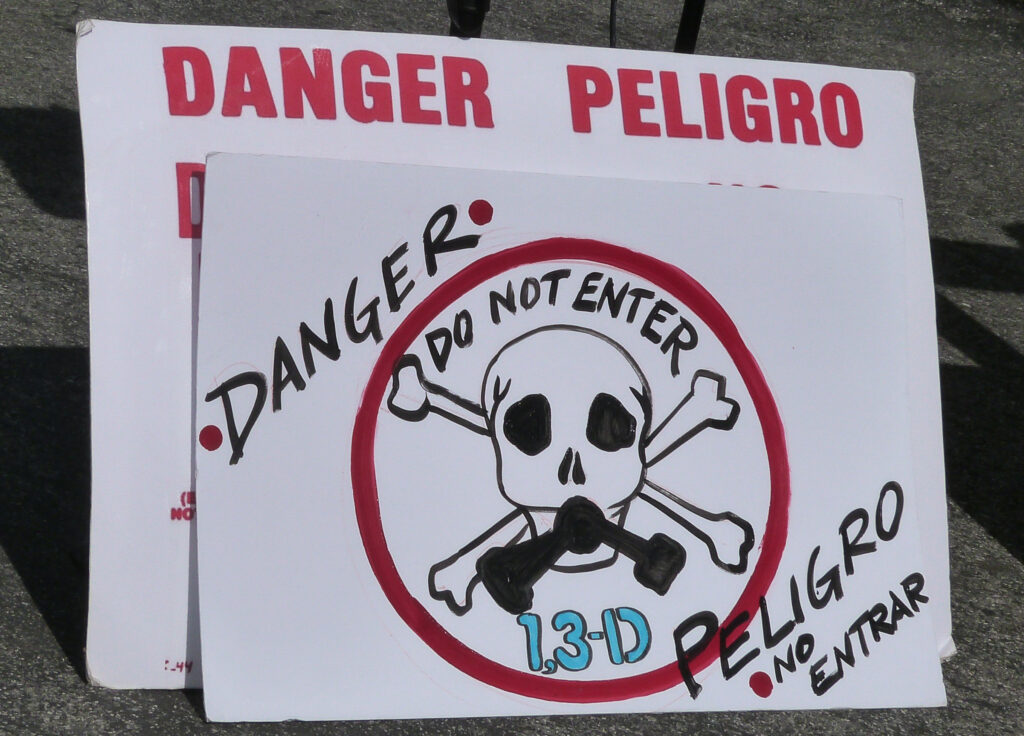
California regulators voided nearly nine months of air-monitoring data for two pesticides, 1,3-D and methyl bromide.
The results covered samples collected from Oct.
24, 2025, through June 30, after the state laboratory found a quality-control problem.
The lab said its reference standards for both chemicals had degraded by 18% to 96%, making the readings unreliable.
The missing data leaves regulators unable to tell how much of the toxic gases entered the air near treated fields during that period.
This is especially important for 1,3-D, which farmers use on crops including almonds, grapes and strawberries, and which California recently began regulating to limit exposure for workers.
The worker rule set a safety target five times higher than the level state health experts said reduces lifetime cancer risk; a separate rule for nearby residents allows exposure 14 times above the level those experts say is safe.
Regulators say both rules reduce lifetime cancer risk, while advocates for pesticide reform argue they do not adequately protect workers and communities.
Without the monitoring results, advocates say they cannot assess whether the new worker rule is working.

California regulators discarded nearly nine months of air-monitoring results for two pesticides after a laboratory quality-control problem.
The affected results covered 1,3-dichloropropene, known as 1,3-D, and methyl bromide from Oct. 24, 2025, through June 30.
The California Department of Pesticide Regulation said the laboratory’s reference standards for both chemicals had significantly degraded.
Advocates say the missing 1,3-D data makes it harder to assess a new rule intended to limit farmworkers’ exposure.
State regulators maintain that rules for residents and workers near treated fields mitigate lifetime cancer risk.
- Who
- California’s Department of Pesticide Regulation and a state laboratory handled the monitoring data; Californians for Pesticide Reform criticized the loss.
- What
- Nearly nine months of air-monitoring results for 1,3-D and methyl bromide were recalled and voided after a quality-control problem.
- When
- The affected results were from Oct. 24, 2025, through June 30. The organization learned of the issue on the last day of September.
- Where
- California.
- Why
- Reference standards used to measure the chemicals had significantly degraded, making the results unreliable.
Pesticide regulators
Californians for Pesticide Reform
Safety of 1,3-D rules
Pesticide regulators
Regulators maintain that the rules mitigate lifetime cancer risk for people living and working near treated fields.
Californians for Pesticide Reform
The group says the rules do not adequately protect communities and workers.
Value of the missing data
Pesticide regulators
The state said the results had to be recalled and voided because of a laboratory quality-control problem.
Californians for Pesticide Reform
The group says the lost data is critical to assessing the worker-protection rule and what communities are exposed to.
The monitoring results later voided covered this period.
The worker rule for 1,3-D went into effect.
Jane Sellen and colleagues learned that regulators had to discard nearly nine months of monitoring results.
- Affected pesticides
- 1,3-dichloropropene (1,3-D) and methyl bromide
- Affected monitoring period
- Oct. 24, 2025, through June 30
- Reference-standard degradation
- 18 percent to 96 percent
- Methyl bromide use in California
- About 1.6 million pounds a year
- 1,3-D use in California
- More than 7 million pounds a year
1 source
What people are saying
How can pesticide regulators say they’re protecting anyone from 1,3-D or methyl bromide if they don’t know how much of these toxic gases entered the air?
DPR muscled through regulations for 1,3-D that we don’t believe adequately protect communities