

Politics · Brazil · 2 hrs ago
Brazil runoff polls show Lula and Flávio Bolsonaro in a close race
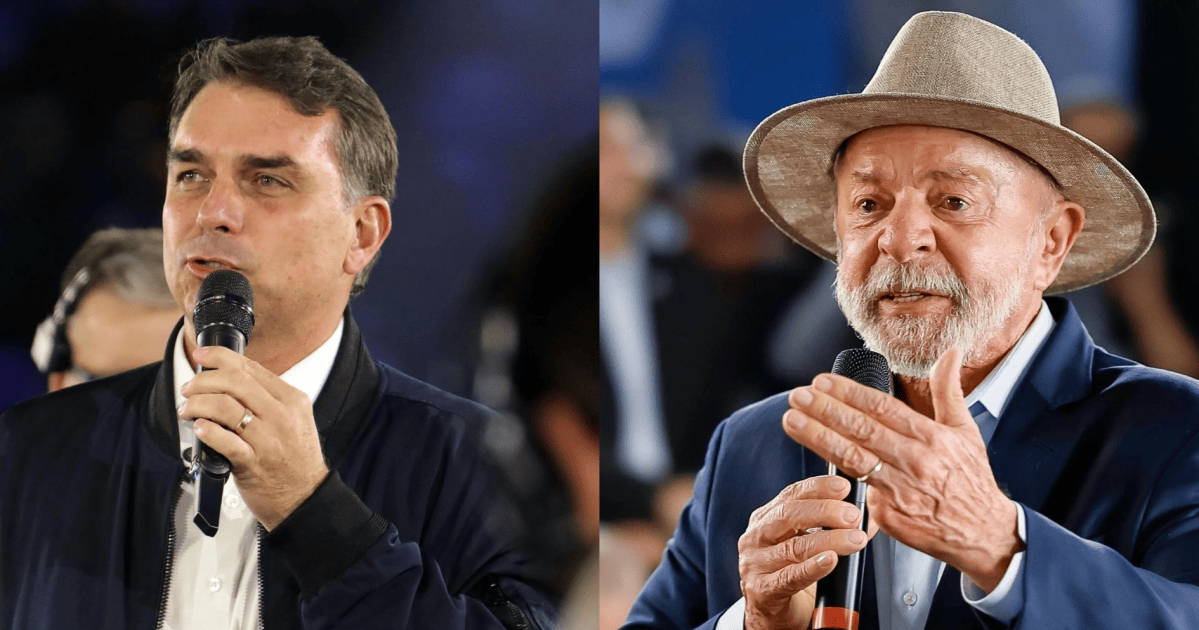
Brazil’s President Luiz Inácio Lula da Silva and Senator Flávio Bolsonaro are in a close runoff race.
A Quaest poll put Bolsonaro at 45% and Lula at 44%, while a Meio/Ideia poll put Bolsonaro at 48% and Lula at 46%; both results were described as technical ties within the margin of error.
The campaigns say the election remains open, but they disagree on which voters will decide it.
Bolsonaro’s camp sees voters who supported other candidates in the first round as key, while Lula’s camp is also focused on people who did not vote then.
A political scientist said voter turnout and shifts between candidates could decide the result, with women among the groups campaigns need to engage.
He also argued that undecided voters are unlikely to be persuaded by policy plans alone, and pointed to Lula’s challenge to Bolsonaro to disclose his financial and phone records.
A televised debate is scheduled for Friday, but the analyst does not expect it to decide the race; Bolsonaro’s absence, he said, could seriously hurt his campaign.

Campaigns for Luiz Inácio Lula da Silva and Flávio Bolsonaro say Brazil’s presidential election remains open, with either candidate able to win.
A Quaest poll published on October 21 put Bolsonaro at 45% and Lula at 44% in a second-round matchup.
A Meio/Ideia poll also showed a close race, with Bolsonaro at 48% and Lula at 46%, within the margin of error.
The campaigns differ on which voters will decide the result: Bolsonaro’s side points to voters who backed other candidates in the first round, while Lula’s side also sees abstainers as important.
Political scientist Paulo Roberto de Souza said vote changes and turnout could decide the election, and argued that undecided voters would not be persuaded by policy plans alone.
- Who
- President Luiz Inácio Lula da Silva and Senator Flávio Bolsonaro, both running in Brazil’s presidential election.
- What
- Their campaigns say the second-round election is still open. Polls published on October 21 showed them close.
- When
- The reports were published on October 21, 2026. The second-round vote is expected on Sunday, according to the article.
- Where
- Brazil.
- Why
- The polls show a close contest, and the campaigns differ over which voters will determine the result.
Lula campaign
Flávio Bolsonaro campaign
Decisive voters
Lula campaign
Lula’s side sees people who abstained in the first round as important, as well as some voters who may reconsider their choice.
Flávio Bolsonaro campaign
Bolsonaro’s side says voters who backed other candidates in the first round are decisive; it estimates about 60% of them support Bolsonaro, 30% Lula and 10% will not vote.
Reasons for recent movement
Lula campaign
Lula’s side says Bolsonaro’s positions on the proposed end of the six-day workweek and his economic plan have become liabilities.
Flávio Bolsonaro campaign
Bolsonaro’s side says Lula has benefited from incumbency and recent government measures, including a Bolsa Família payment adjustment.
Voters backed candidates other than Lula and Flávio, whose supporters are now seen as potential deciding voters.
Quaest and Meio/Ideia polls were published, showing Lula and Flávio close in the second-round race.
A Globo debate was scheduled to take place.
The second-round election was expected to take place.
- Quaest second-round poll
- Flávio Bolsonaro 45%; Lula 44%
- Meio/Ideia poll
- Flávio Bolsonaro 48%; Lula 46%
- Quaest rejection rate
- Flávio Bolsonaro 52%; Lula 47%
- Undecided voters
- 14% in the spontaneous Quaest survey; 2% when candidates were listed
- Voters who backed other candidates in the first round
- About 60% support Flávio, 30% Lula and 10% are expected not to vote, according to Bolsonaro’s camp
3 sources
What people are saying
We have a situation that should continue until election day, in which possible shifts in votes from one side to the other and increases or decreases in abstention are what should decide the election.
Undecided voters who have not yet chosen Lula will not be convinced by arguments about a plan for the country, but by an anti-Flávio Bolsonaro cordon sanitaire.