

World · Europe · 4 hrs ago
UK navy lacks resources to deter Russian threat in the High North, MPs warn
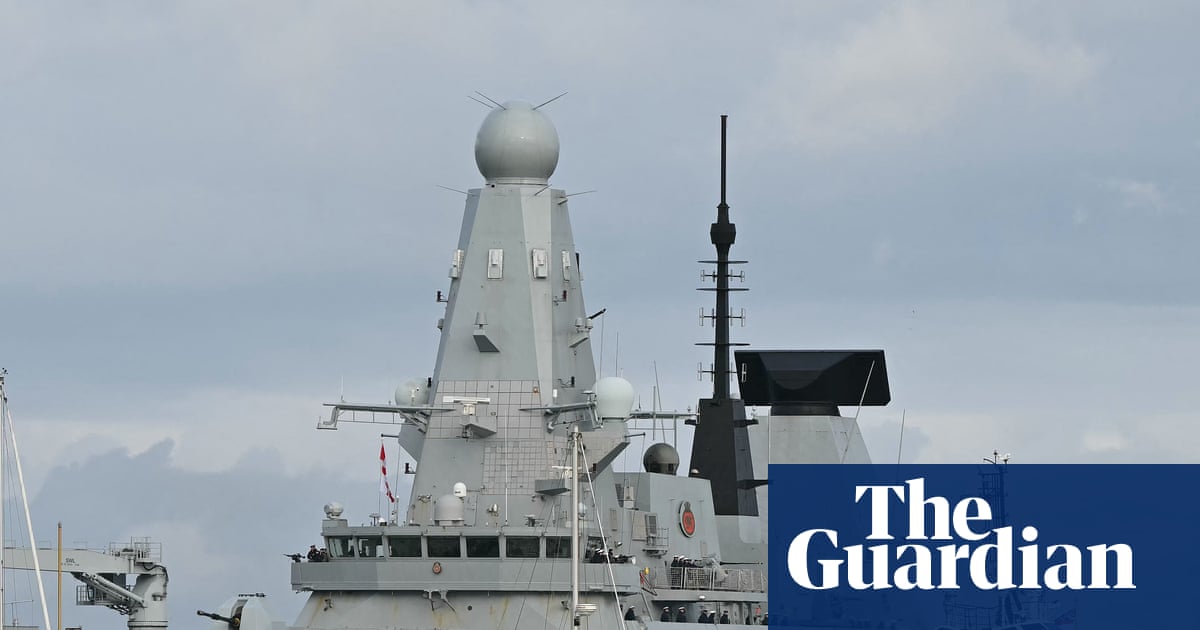
UK MPs say the Royal Navy lacks enough available ships and submarines to deter possible Russian aggression in the High North, the seas beyond Scotland.
The Defence Select Committee pointed to five frigates equipped to detect submarines, below the navy’s target of eight, and said none of Britain’s five Astute-class attack submarines was at sea during part of the summer.
The region matters because melting Arctic ice is opening sea routes and access to energy resources, while Russia is seeking influence over shipping lanes, pipelines and undersea cables.
MPs warned that shortfalls could leave the UK unable to meet its defence commitments, especially if the United States did not support it during a crisis.
They also said British submarines cannot operate under ice, unlike their Russian counterparts, though certification exercises are under way.
The committee called for the Ministry of Defence to make a plan to get more warships and submarines at sea by 2030 and said the UK needs to make major progress before the end of the decade.
The government has no significant extra defence money expected until the next decade, according to the report.

A parliamentary committee warned that shortages and low availability of Royal Navy ships and submarines could leave the UK unable to deter Russian aggression in the High North.
The Defence Select Committee said the UK does not have all the capabilities needed to operate successfully in the region.
The committee called for a Ministry of Defence plan to get more warships and submarines at sea by 2030.
It said the risks would be greater if the United States did not support the UK in a crisis.
- Who
- MPs on the Defence Select Committee warned of the shortfalls. The Royal Navy is central to the concerns.
- What
- The committee said gaps in the number and availability of ships and submarines could undermine the UK’s ability to deter Russia in the High North.
- When
- The report was published on 21 October 2026.
- Where
- The High North, including seas beyond Scotland and the Arctic and northern North Atlantic.
- Why
- The committee cited growing Russian interest and the opening of Arctic seaways, alongside shortages and low availability of UK naval forces.
This story does not have two clearly opposing sides.
The Royal Navy shadowed Russian spy ship Yantar in the UK’s economic waters.
HMS Dragon took more than three weeks to reach the eastern Mediterranean after a drone struck an RAF base in Cyprus.
None of the five Astute-class attack submarines were at sea, the committee said.
The committee called on the Ministry of Defence to ensure more warships and submarines are at sea.
- Sonar-equipped frigates
- 5 in service, against a target of 8
- Astute-class attack submarines
- 5; none were at sea from June and into the summer
- HMS Dragon deployment
- More than 3 weeks to reach the eastern Mediterranean in March
- Northern Sea Route
- 3,500 miles (5,600km) along Russia’s Arctic coast
- NATO rearmament promises
- The UK ranked 31st out of 32 countries, according to a NATO internal document cited by the Daily Mail
2 sources
What people are saying
The UK needs to be willing to address a hard truth: it does not currently have all the capabilities to operate successfully in the high north
Our greatest adversary, Russia, is seeking to dominate this demanding, hostile environment for its military advantage.
There would be critical military gaps if the United States were not involved in countering such [Russian] aggression