

Health · Medical Research · 8 hrs ago
Shorter gaps between births linked to faster biological aging
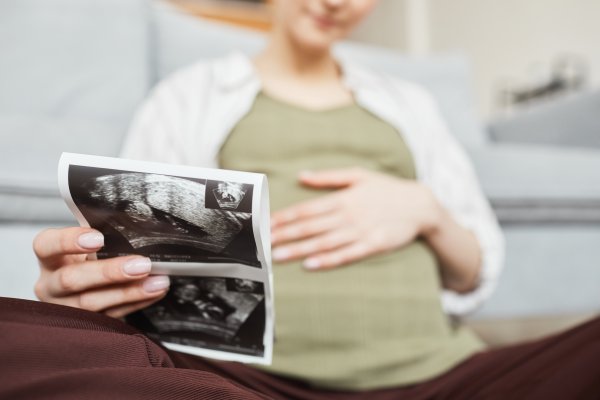
Women with shorter gaps between births showed signs of faster biological aging on some measures, researchers found.
The analysis looked at women who had given birth and compared the time between births with changes in their bodies.
Biological age measures the body's condition, using changes such as DNA methylation, rather than simply counting years lived.
Pregnancy and childbirth place demands on the heart, metabolism and immune system, and the body needs time to recover afterward.
Inflammation, oxidative stress, hormonal changes and nutrient use may help explain the link, but these are possible mechanisms, not confirmed causes.
The findings point to postpartum recovery as important when considering maternal health and family planning, though they do not establish a specific ideal gap between births.

A study found an association between shorter gaps between births and faster biological aging in women who had given birth.
Women with shorter intervals between births showed faster aging on some epigenetic measures than women with longer intervals.
The findings do not establish that shorter birth intervals cause faster aging.
Researchers suggested that limited recovery time and the physical demands of pregnancy could help explain the association.
- Who
- Women who had given birth. The researchers are not named in the sources.
- What
- A study found that shorter intervals between births were associated with faster aging on some epigenetic measures.
- When
- The study date is not stated. Reports were published on October 23 and 25, 2026.
- Where
- Not stated.
- Why
- Researchers said repeated physical demands, including inflammation, oxidative stress, hormonal changes and nutrient depletion, could be possible explanations.
This story does not have two clearly opposing sides.
This story does not have a timeline yet.
- Publication date
- October 23, 2026
- Publication date
- October 25, 2026
- Measure
- Epigenetic aging indicators, including changes such as DNA methylation
- Possible mechanisms
- Inflammation, oxidative stress, hormonal changes and nutrient depletion