

Business · Companies · 39 mins ago
Santander plans more risk transfers to lift capital after acquisitions
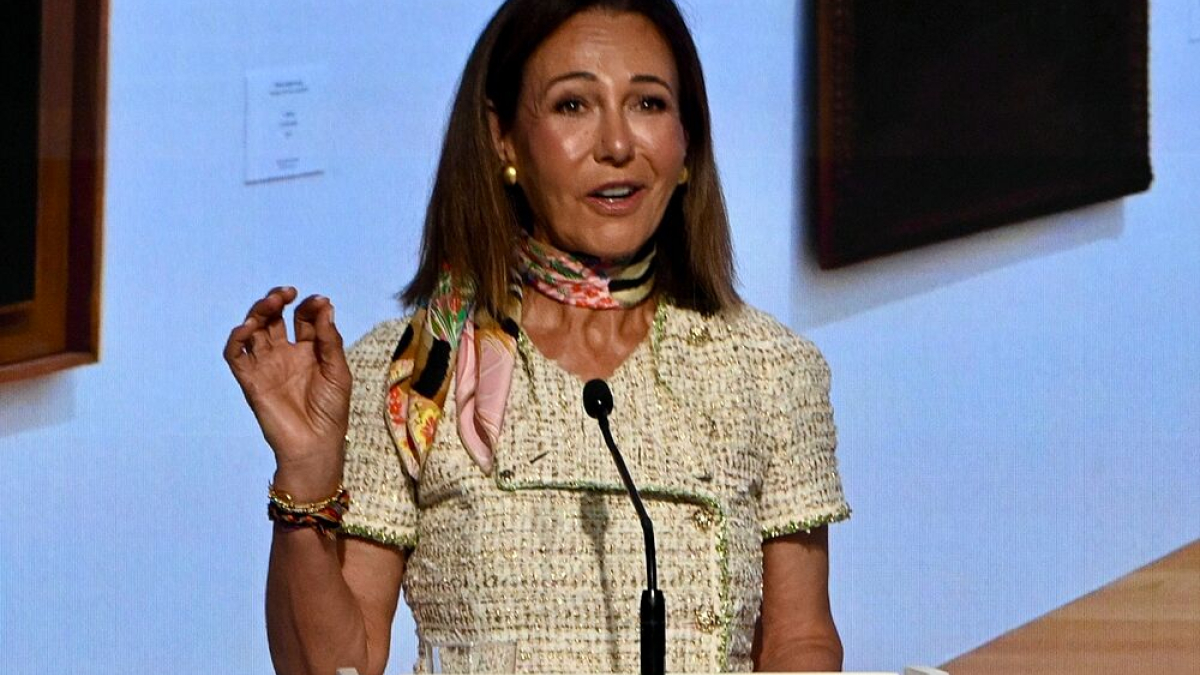
Santander has used risk-transfer deals to strengthen its capital after buying Webster and TSB.
Banks can transfer risk by selling loans, shifting the risk of loan defaults while keeping the loans, or using insurance and guarantees.
S&P estimates Santander’s significant risk transfers added 0.8 percentage points to its capital by June 30, though the agency says the figure is uncertain.
Santander uses risk transfers, direct asset sales and insurance in roughly equal proportions, so the article estimates their combined effect at 2.4 percentage points.
That estimate is greater than the 2.02 percentage points of capital used by the two acquisitions: 1.47 for Webster and 0.55 for TSB.
Banks also use these deals to improve returns, manage risk and support lending.
Santander plans to accelerate the transactions in the fourth quarter to bring its CET1 capital ratio above the 12.7% recorded on September 30 and into its 12.8% to 13% year-end target range.

Santander plans to accelerate risk-transfer and asset-sale transactions in the fourth quarter to rebuild capital after its acquisitions of Webster and TSB.
The bank’s CET1 capital ratio was 12.7% on September 30, after the acquisitions reduced its capital.
Santander has pledged to end the year with a CET1 ratio between 12.8% and 13%.
S&P Global estimated that Santander’s significant risk transfers had added 0.8 percentage points to its solvency by June 30.
Santander uses direct asset sales, insurance or guarantees, and significant risk transfers to manage risk and capital.
- Who
- Santander, the Spanish bank.
- What
- It plans to increase risk-transfer and asset-mobilisation transactions to strengthen capital after acquisitions.
- When
- It expects activity to accelerate in the fourth quarter of 2026.
- Where
- Not stated
- Why
- The acquisitions of Webster and TSB reduced its capital, and Santander aims to meet its year-end CET1 target.
This story does not have two clearly opposing sides.
S&P Global estimated that Santander’s significant risk transfers had added 0.8 percentage points to its solvency.
Santander’s CET1 capital ratio stood at 12.7% after the Webster and TSB acquisitions.
Santander said it expected a strong period for transactions and planned to accelerate asset sales and risk transfers.
- Acquisitions
- Webster and TSB
- Capital ratio
- 12.7% CET1 at September 30
- Year-end target
- 12.8%–13% CET1
- Webster capital impact
- 1.47 percentage points
- TSB capital impact
- 0.55 percentage points
- SRT solvency estimate
- 0.8 percentage points by June 30
What people are saying
We expect the fourth quarter to be quite strong [in transactions].
Currently, the main reason for European banks to issue SRTs is to strengthen returns on capital, increase shareholder distributions, manage risk concentrations and boost lending capacity.