

Health · Medical Research · 2 hrs ago
Kidney Protein May Help Prevent Phosphate-Related Blood Vessel Damage
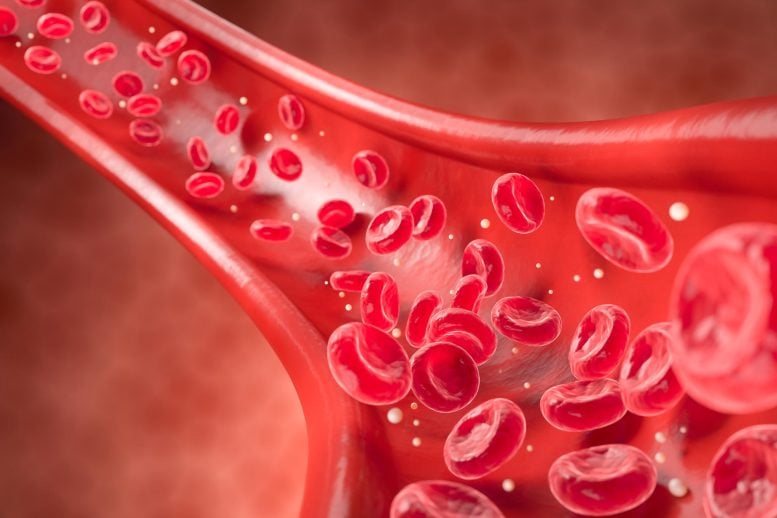
Researchers at the University of Colorado Anschutz School of Medicine found that animals without TMEM174 developed more calcium buildup in blood vessels.
The study, published in October 2026, examined how this kidney protein helps regulate phosphate in the blood.
TMEM174 limits the activity of NPT2A, a protein that returns phosphate to the bloodstream after the kidneys filter it.
Without enough TMEM174, phosphate regulation was disrupted, and the effects were worse on a phosphate-rich diet.
Excess phosphate can cause blood vessel walls to stiffen, which can raise cardiovascular risks.
This matters for people with chronic kidney disease, whose kidneys may not remove enough phosphate from the blood.
Lowering dietary phosphate eased some harmful effects in the animals, and TMEM174 may offer a target for future research into treatments; the findings do not establish a treatment for people.

Researchers found that kidney protein TMEM174 helps regulate blood phosphate levels and may protect blood vessels from calcium buildup.
Animals lacking TMEM174 developed more vessel calcium deposits and died earlier, especially on a high-phosphate diet.
Reducing dietary phosphate lessened some harmful effects in animals deficient in the protein.
The findings may point to a treatment target for people with chronic kidney disease, which can make it harder to remove excess phosphate.
The study identified TMEM174 as a counterbalance to NPT2A, a protein that reabsorbs phosphate in the kidneys.
- Who
- Researchers at the University of Colorado Anschutz School of Medicine.
- What
- The study identified TMEM174 as a regulator of blood phosphate that may help limit blood vessel calcification.
- When
- The study was published in October 2026.
- Where
- University of Colorado Anschutz School of Medicine; the research examined blood vessels and phosphate regulation in animals.
- Why
- Researchers investigated how excess blood phosphate may contribute to hardened arteries and shorter lifespans.
This story does not have two clearly opposing sides.
This story does not have a timeline yet.
- Protein
- TMEM174
- Kidney protein
- NPT2A reabsorbs approximately three-quarters of filtered phosphate
- Study location
- University of Colorado Anschutz School of Medicine
- Study publication
- October 2026
- Animal findings
- TMEM174-deficient animals developed more blood vessel calcium deposits and died earlier, particularly on a high-phosphate diet
What people are saying
We don’t fully understand how yet, but somehow TMEM174 is destabilizing NPT2A
And without enough TMEM174, homeostasis is disrupted.
Phosphate is really underestimated in terms of longevity in all mammals. The higher the concentration of phosphate in the blood, the shorter the lifespan.