

Health · Medical Research · 4 hrs ago
Night shifts throughout pregnancy linked to developmental risks at age four
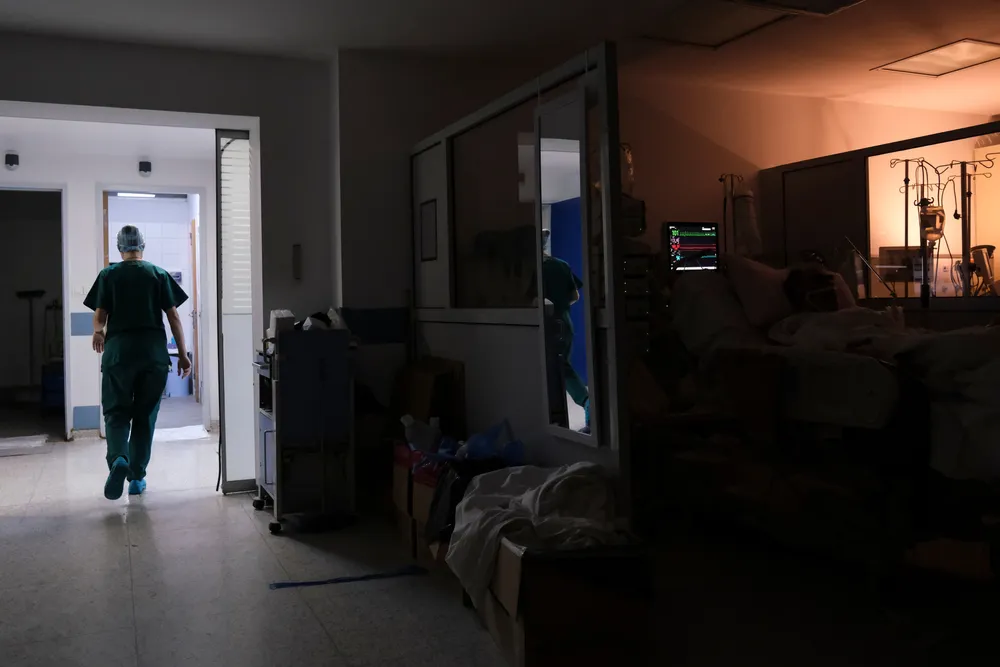
A study in Japan found that children of women who worked nights throughout pregnancy had higher developmental risks at age four.
It used survey data from 31,528 women who gave birth between 2011 and 2014.
Researchers assessed the children using a caregiver questionnaire that screened five areas of development.
Children whose mothers worked nights throughout pregnancy were more likely to show risks in communication, fine motor skills and personal-social functioning.
Those risks were 29%, 34% and 31%, respectively.
Children whose mothers stopped night shifts after the first trimester had an increased risk only in fine motor skills.
The researchers said workplaces should offer more flexible night scheduling during pregnancy, and called for further research into the reasons for the link.

A study found that children of women who worked night shifts throughout pregnancy were more likely to show developmental screening abnormalities at age four.
The study analysed nationwide survey data from 31,528 women in Japan who gave birth between January 2011 and March 2014.
Children whose mothers worked nights throughout pregnancy were more likely to be at risk in communication, fine motor and personal-social functioning.
The researchers recommended more flexible night-shift scheduling for pregnant workers.
The findings show an association and do not establish that night shifts caused the developmental risks.
- Who
- Researchers from Kyushu University studied 31,528 women and their children in Japan.
- What
- The study linked night-shift work throughout pregnancy with a higher likelihood of developmental screening abnormalities in children at age four.
- When
- The women gave birth between January 2011 and March 2014. The study was published on October 27, 2026.
- Where
- Japan.
- Why
- The researchers examined whether night-shift work during pregnancy was associated with developmental risks in children.
This story does not have two clearly opposing sides.
The study included survey data from women who were pregnant and gave birth during this period.
Participants completed a questionnaire about their monthly work schedules.
Participants completed another questionnaire about their work schedules.
Children’s developmental risk was assessed using a screening tool based on a caregiver questionnaire.
The study was published in Occupational and Environmental Medicine.
- Study population
- 31,528 women in Japan
- Night shifts throughout pregnancy
- 2,084 women reported working nights throughout pregnancy
- Night shifts in first trimester only
- 1,779 women reported working nights during the first trimester only
- At-risk screening result
- 13% of children were at high risk of delay in at least one measured domain
- Communication risk
- 29% among children whose mothers worked nights throughout pregnancy
- Fine motor risk
- 34% among children whose mothers worked nights throughout pregnancy
What people are saying
The present findings may inform occupational health support for pregnant workers who engaged in night shift work
Further research should clarify the underlying mechanisms and evaluate the roles of exposure timing, specific night work conditions and maternal sleep characteristics after accounting for potential selection effects and unmeasured confounding.