

Politics · United Kingdom · 7 hrs ago
UK women convicted over abortions receive automatic pardons
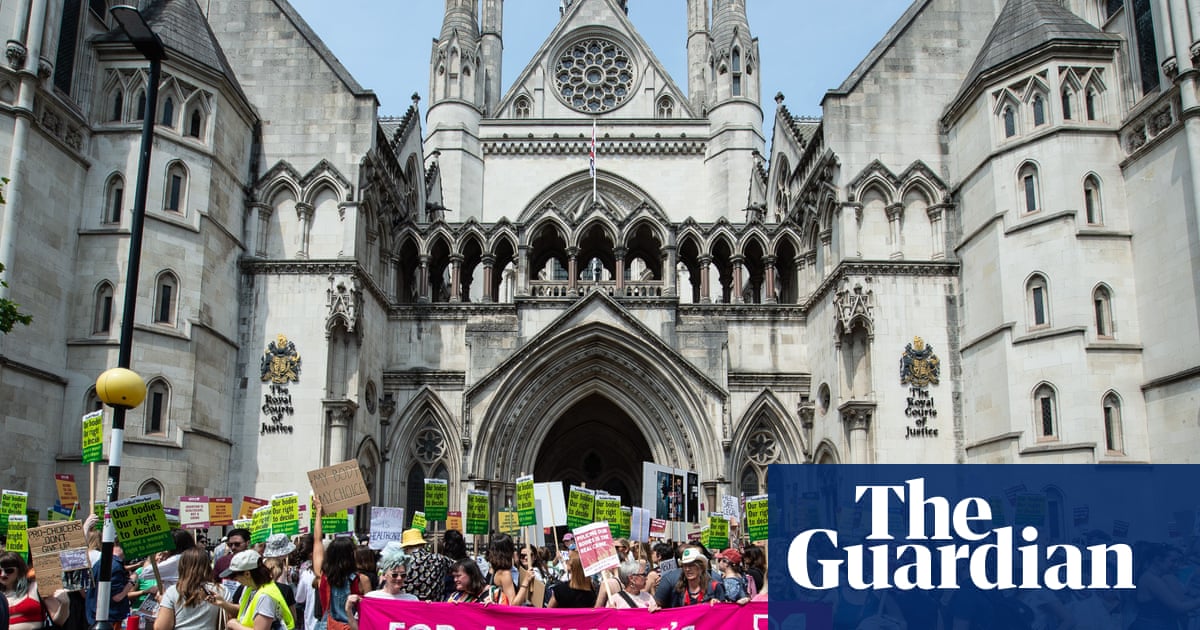
The UK is pardoning women convicted or cautioned for ending their own pregnancies under earlier abortion laws.
Police records of arrests and investigations will also be removed, without women needing to apply.
The move follows a change to the law that repealed part of the 1861 Offences Against the Person Act.
Women will no longer face criminal charges for ending a pregnancy at any stage, under the Crime and Policing Act 2026.
The legal framework for abortions provided by health professionals remains in place, including the usual 24-week limit in England, Scotland and Wales and exceptions beyond it.
The pardons address harm caused by prosecutions, including cases involving women who had miscarriages or did not know how far their pregnancies had progressed.
Some women welcome the change but say they also want a formal government apology, and the removal of records is expected to ease barriers to work and travel.

Women convicted or cautioned for ending their own pregnancies in England, Scotland and Wales are to receive automatic pardons.
Police records of arrests and investigations related to their own pregnancies will also be cleared.
The pardons follow changes to abortion law, including the repeal of offences dating back to the 1861 Offences Against the Person Act.
The government has not provided an official count of those affected; the Guardian reported that about 150 women had been identified.
Some women welcomed the pardons but said they also wanted a formal government apology.
- Who
- Women convicted or cautioned for ending their own pregnancies, and women whose related arrests or investigations are on record.
- What
- They will receive automatic pardons, and related police records will be removed.
- When
- The pardons take effect Monday, November 16, 2026.
- Where
- England, Scotland and Wales.
- Why
- The changes address the criminalisation of women under outdated abortion laws and remove related records that could affect their lives.
Abortion rights supporters
Anti-abortion groups
The law change
Abortion rights supporters
Supporters said the change would prevent women from being criminalised for ending their own pregnancies.
Anti-abortion groups
Anti-abortion groups argued it would open the door to abortion on demand at any stage of pregnancy.
The Offences Against the Person Act introduced abortion-related offences.
The House of Commons voted to decriminalise women terminating their own pregnancies.
Parliament passed the Crime and Policing Act, which provides for pardons and the removal of related records.
The automatic pardons and record removals take effect.
- Affected women
- The Guardian reported about 150 had been identified from police records.
- Investigations
- Tonia Antoniazzi said police investigated more than 100 women in the five years before the 2025 vote.
- Abortion law
- Doctors can legally provide abortions in England, Scotland and Wales up to 24 weeks.
- Historic law
- Offences under the 1861 Offences Against the Person Act were repealed for women ending their own pregnancies.
6 sources
Le gouvernement britannique gracie les femmes condamnées pour avoir avorté, après l'entrée en vigueur d'une loi dépénalisant l'IVG hors délai
Women's criminal records wiped for abortion offences
British women to receive automatic pardons for past abortion convictions
UK government pardons women prosecuted for abortion crimes
Women convicted of having illegal abortions to be pardoned in historic law change
Women prosecuted for abortions hail ‘historic day’ after receiving pardon
What people are saying
While no pardon can undo the distress and trauma these women have experienced, this historic change in the law recognizes the profound harm caused by their criminalization and represents a meaningful step towards justice.
This trauma cannot be erased, but I hope that this offers some alleviation of the pain these women have endured, enabling them to participate fully in society again, living their lives to the full, working the jobs they’ve always wanted to
Although it can’t erase the memories of what we’ve experienced, it does remove the records that have made it difficult for some of us to get and keep jobs, and live our lives.