

Health · Medical Research · 2 hrs ago
Researchers propose sleep-linked subtype of depression
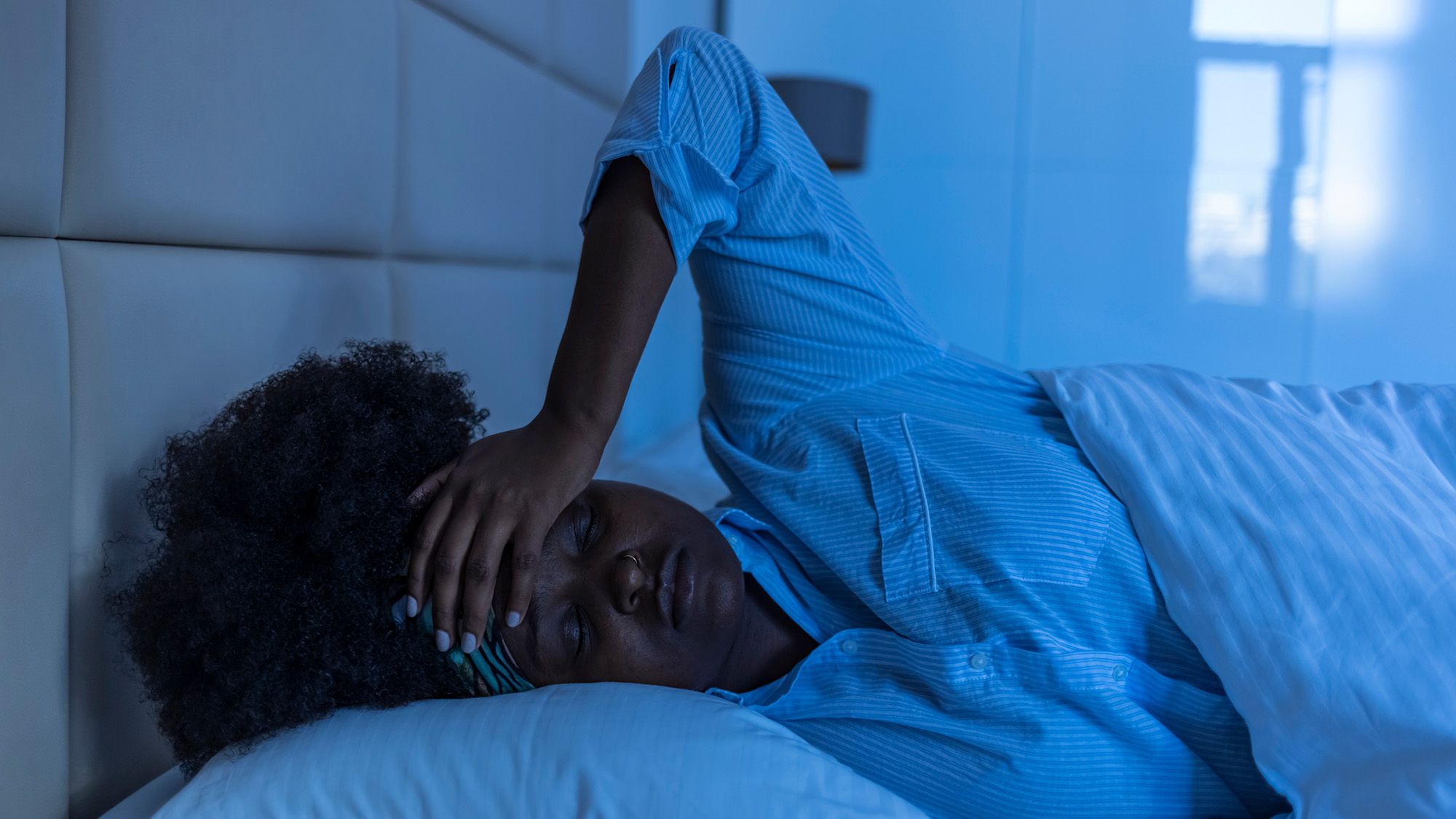
Australian researchers have proposed a sleep-linked pattern of depression that they call circadian depression.
They identified it in 2,604 of more than 11,000 participants in a study of Australians with depression.
The pattern was linked to seasonal symptoms, oversleeping, fatigue and being active at night, and participants were more likely to report severe symptoms.
The researchers say light therapy and melatonin may help some patients whose depression is linked to disrupted sleep and body-clock rhythms.
Other experts question whether these symptoms define a distinct subtype, and say the findings are not enough to change prescribing practices.
People whose antidepressants are not helping should seek advice from a clinician about their individual circumstances.

Australian researchers propose that circadian depression is a subtype linked to disruption of the body’s internal clock.
The subtype was identified in nearly a quarter of participants in a study of Australians with depression.
Those identified had more severe symptoms, earlier onset and a poorer reported response to common antidepressants.
Researchers say treatments targeting sleep-wake rhythms, including morning light exposure and melatonin, may help.
The findings are based on observational data and need replication in more diverse groups.
- Who
- Researchers from the University of Sydney led the study. Participants were Australians with mostly severe and recurrent depression.
- What
- The researchers identified a proposed subtype called circadian depression, linked to body-clock disruption.
- When
- The study was published in the British Journal of Psychiatry in October 2026.
- Where
- Australia; the research used data from the Australian Genetics of Depression Study.
- Why
- Researchers aim to identify differences that may help guide treatment; they suggest disrupted circadian rhythms may underlie this subtype.
Researchers supporting the proposed subtype
Researchers questioning or qualifying the findings
Nature of the finding
Researchers supporting the proposed subtype
The study supports circadian depression as a distinct subtype with an underlying biology.
Researchers questioning or qualifying the findings
Professor David Curtis said selecting patients with particular symptoms does not establish a new subtype, and called the term circadian misleading.
Treatment implications
Researchers supporting the proposed subtype
Researchers say circadian-focused approaches, including light therapy and melatonin, may be more relevant for these patients.
Researchers questioning or qualifying the findings
The Guardian reported the findings need replication in diverse samples; the Daily Mail said other researchers considered the evidence insufficient to justify changes in prescribing.
The findings were published in the British Journal of Psychiatry in October 2026.
The researchers are about to launch a clinical trial of synthetic melatonin and behavioural strategies for body-clock regulation.
- Study participants
- 11,380 Australians with mostly severe and recurrent depression
- Share identified
- 23% in the Guardian and New Scientist reports; nearly 25% in other reports
- Subtype name
- Circadian depression
- Proposed treatments
- Melatonin, light therapy and behavioural strategies
- Study limitation
- Participants were limited to those of genetically inferred European ancestry
6 sources
Experts discover new type of depression that doesn't respond to pills - but there's a less risky fix
Proposed depression subtype involves waking up tired or being a night owl
1 in 4 cases of depression may be caused by off-kilter body clocks
Researchers Identify New 'Circadian' Subtype of Depression Affecting 1 in 4 Patients
Australian researchers identify new subtype of depression linked to body clock disruptions
Could 'body clocks' play a role in depression? Study proposes a new 'circadian' subtype
What people are saying
What is critical about being in this circadian type is its poor response to the standard therapies, those which are typically recommended in the guidelines.
This is important because that indicates that circadian depression is not just depression with bad sleep, but actually there is an underlying biology that is quite distinct from other forms of depression.
Depressed patients present with a variety of different symptoms and selecting some who report particular symptoms does not mean that one has identified a new subtype of depression,
They have got a polygenic risk score, which means that they’ve actually managed to tie certain types of depression to a specific genetic profile,