

World · Middle East · 14 hrs ago
Ethiopians on Saudi death row face execution after drug convictions
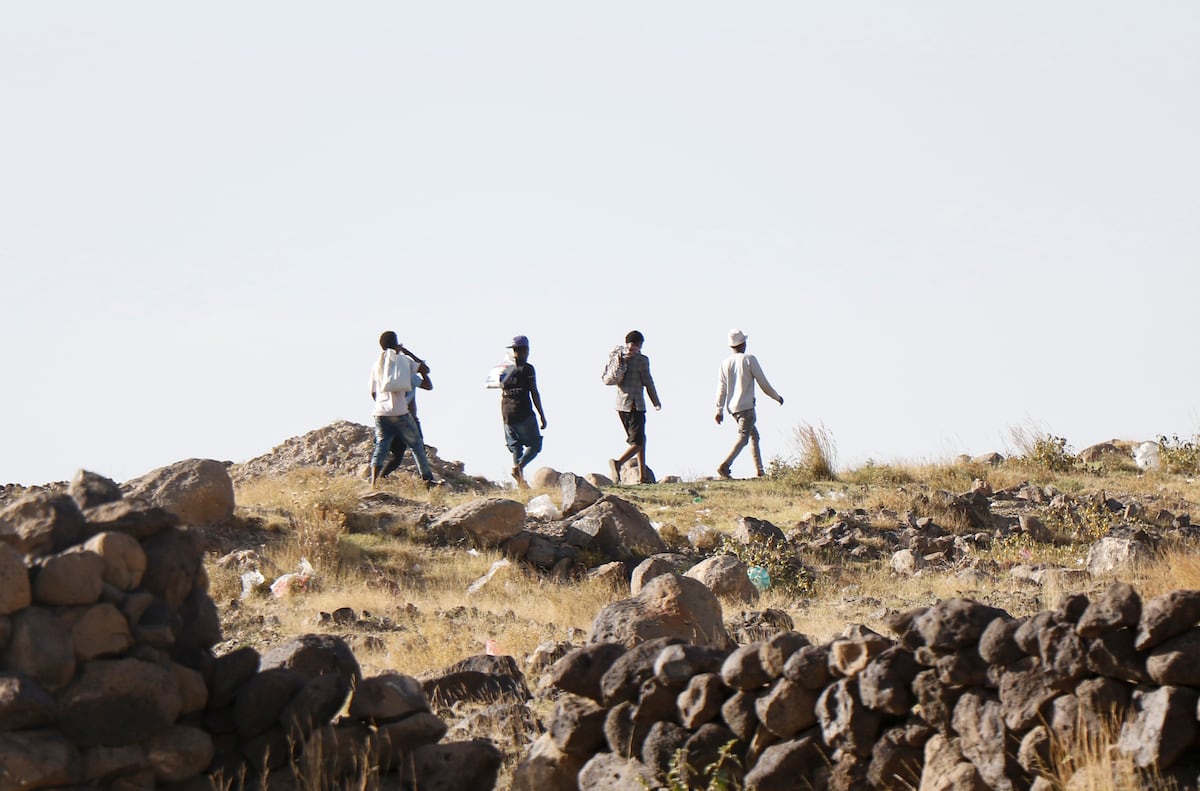
Dozens of Ethiopians are on death row in Saudi Arabia after convictions for drug-related offenses.
One of them, a 24-year-old identified by the pseudonym Dawit Tesfay, has been awaiting execution for eight months in Khamis Mushait.
Tesfay says his trial lasted only a few minutes and that he had no lawyer or interpreter.
Human Rights Watch documented that at least 20 Ethiopians were executed for drug trafficking between January and August 2026, while at least 76 more faced imminent execution.
Rights groups have raised concerns about brief trials and other serious irregularities, including defendants not understanding Arabic-language documents.
Saudi Arabia resumed executions for drug offenses in 2022 and carried out at least 356 executions in 2025, according to Human Rights Watch.
Families, human rights organizations and Tigray regional authorities are calling for fair trials, release or repatriation.

At least 76 Ethiopians faced imminent risk of execution in Saudi Arabia between January and August 2026, according to Human Rights Watch.
The report said at least 20 Ethiopians had been executed for drug trafficking during that period.
Two Ethiopian men interviewed by EL PAÍS said they were sentenced to death for transporting hashish.
Human rights groups have reported brief trials and cases without lawyers or interpreters.
Families, rights groups and Tigray regional authorities are calling for fair trials, release or repatriation.
- Who
- Ethiopian nationals convicted of drug-related offenses in Saudi Arabia, including two men identified by pseudonyms.
- What
- At least 76 Ethiopians faced imminent risk of execution, while at least 20 had been executed for drug trafficking, according to Human Rights Watch.
- When
- Human Rights Watch documented the executions and risks between January and August 2026.
- Where
- Saudi Arabia, including the Khamis Mushait detention center.
- Why
- The convictions were for drug-related offenses, including transporting hashish, which is banned in Saudi Arabia.
Saudi authorities
Families, human rights organizations and Tigray regional authorities
Judicial process
Saudi authorities
Saudi Arabia says executions take place only after sentences go through stages of judicial review.
Families, human rights organizations and Tigray regional authorities
Rights groups report extremely brief trials and cases without lawyers or interpreters.
Requested outcome
Saudi authorities
Saudi authorities announce executions after judicial review.
Families, human rights organizations and Tigray regional authorities
Families and regional authorities seek fair trials, release, repatriation or case reviews.
Saudi Arabia resumed executions for drug-related crimes after a de facto moratorium.
Saudi Arabia executed at least 356 people, according to Human Rights Watch.
Amnesty International recorded 96 executions in Saudi Arabia, including 61 for drug-related offenses.
Human Rights Watch documented at least 20 executions of Ethiopian citizens for drug trafficking and said at least 76 more faced imminent risk.
- Ethiopians at risk
- At least 76, according to Human Rights Watch
- Ethiopians executed
- At least 20 between January and August 2026, according to Human Rights Watch
- Saudi executions
- 96 recorded by Amnesty International between January 1 and June 22, 2026
- Drug-related executions
- 61 of the 96 executions recorded by Amnesty International
- Khamis Mushait
- Saudi detention center where two Ethiopian men said they were awaiting execution
What people are saying
I don’t know if I’ll still be alive tomorrow.
We are asking for legal counsel, fair trials, respect for due process, and respect for the rights of migrants.
We live in fear.