

Health · Fitness & Nutrition · 17 hrs ago
Digital workplace changes linked to more sick days for physical workers
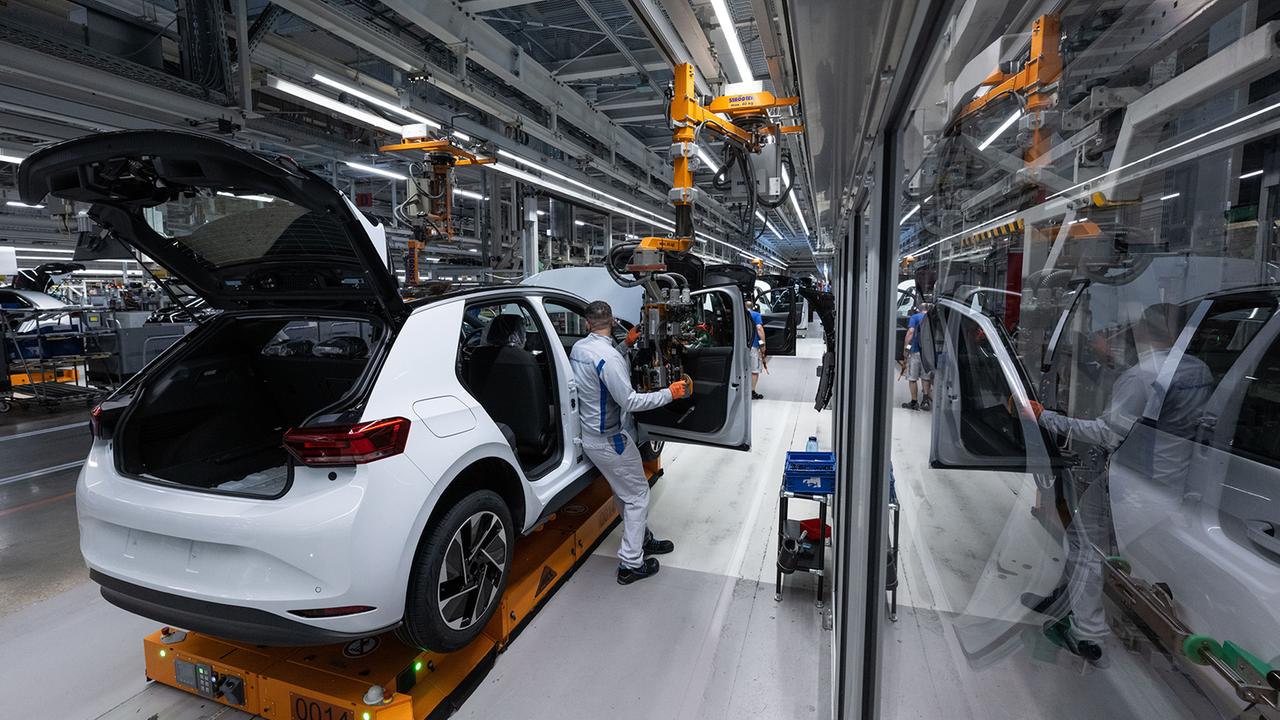
A study by the ifo Institute, the Institute for Employment Research and the University of Konstanz examined health effects of digital technology at work.
It found that employees doing mainly physical work took about 20% more days off each year after technologies such as robots or connected machines were introduced.
Office workers did not report more sick leave when more complex software and hardware entered their jobs.
Researchers say less experience with digital tools may help explain the difference.
This matters because physical workers and people with less formal education already face more health problems, so the change may widen existing health inequalities.
The study says targeted training and employer support can help workers adjust to new systems.
The ifo Institute is now studying how artificial intelligence affects workers' health and which groups may be most affected.

A study found that workers whose jobs are mainly physical take about 20 percent more sick days after digital technology is introduced.
The study compared workers in office jobs with those doing mainly physical work.
Office workers did not report more sick days when more complex software and hardware systems were introduced.
Researchers said limited experience with digital technology may help explain the increase among physical workers.
Targeted digital training and employer support may help workers adjust.
- Who
- Workers whose jobs are mainly physical, compared with office workers.
- What
- A study found that physical workers take about 20 percent more sick days after digital technology is introduced.
- When
- The report was published on 15 October 2026.
- Where
- The study was conducted by researchers from the ifo Institute, the Institute for Employment Research and the University of Konstanz. The article also describes workplaces in Bremervörde and Flensburg.
- Why
- Researchers said physical workplaces have so far been less digitised, leaving workers with less experience using digital technology.
This story does not have two clearly opposing sides.
Strehl’s employees made plaster models by hand for seating aids.
Some workers struggled to adapt to modelling forms digitally and using the robot.
Tagesschau reported the study’s finding that physical workers took about 20 percent more sick days after digital technology was introduced.
- Increase in sick days
- About 20 percent more days per year for workers in mainly physical jobs after digital technology is introduced
- Study institutions
- ifo Institute, Institute for Employment Research and University of Konstanz
- Example workplace
- Strehl, a company in Bremervörde that makes individually adapted seating aids for children with severe disabilities
- Former plaster models
- Could weigh 17 to 20 kilograms
- Support measures
- Targeted digital training and employer support can help workers adjust
What people are saying
And if you are not familiar with these programs, that can cause this famous technostress.
We have actually lost employees who worked in robotics because they simply could not get to grips with this program, which really is not easy to learn. In the end, that led to voluntary resignations.
It is not that these physical jobs are particularly central, but that workplaces have so far been relatively little digitised.