

Politics · Indonesia · 3 hrs ago
Soeharto’s Daughter Led a 1998 Campaign to Support the Rupiah
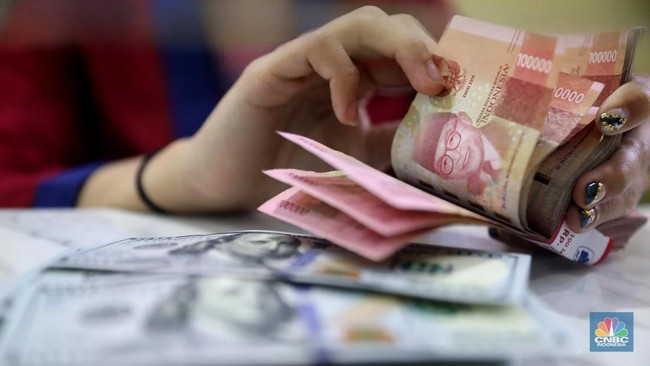
Indonesia’s rupiah plunged during the 1997–98 Asian financial crisis, after falling currency values spread from Thailand across the region.
In January 1998, President Soeharto’s daughter, Siti Hardijanti Rukmana, started the Gerakan Cinta Rupiah campaign, urging people to exchange their US dollars for rupiah.
She exchanged $50,000 of her own money and later gave the state two kilograms of gold.
Politicians, officials and business leaders joined in, including future president Susilo Bambang Yudhoyono, who exchanged $1,300.
The first wave brought the central bank $650,000, while the campaign as a whole raised an estimated $5 million.
Economists and observers criticized it as a symbolic gesture, saying it was far too little to meet Indonesia’s foreign currency needs and debts, which had reached tens of billions of dollars.

Siti Hardijanti Rukmana, known as Mbak Tutut, launched the Gerakan Cinta Rupiah campaign in January 1998 during Indonesia’s financial crisis.
The campaign urged people to exchange their US dollars for rupiah to support the currency and restore market confidence.
Tutut exchanged US$50,000 of her own money and later gave the state two kilograms of gold.
Politicians, officials and businesspeople also exchanged dollars, with the first wave raising US$650,000 for Bank Indonesia.
Economists and observers criticized the campaign as symbolic, saying it could not address the crisis’s underlying financial problems.
- Who
- Siti Hardijanti Rukmana, known as Mbak Tutut, led the campaign. Officials, politicians and businesspeople also took part.
- What
- The Gerakan Cinta Rupiah urged people to exchange US dollars for rupiah to support the currency.
- When
- January 1998.
- Where
- Indonesia; participants exchanged dollars at Bank Indonesia in Jakarta.
- Why
- The campaign aimed to help strengthen the rupiah and restore market confidence during the financial crisis.
Campaign supporters
Critics
Purpose
Campaign supporters
Supporters said exchanging dollars could help strengthen the rupiah and restore market confidence.
Critics
Critics said the campaign was only symbolic and could not solve the crisis.
Scale
Campaign supporters
Participants exchanged dollars and gave gold to the state; the first wave raised US$650,000 for Bank Indonesia.
Critics
The article estimates the campaign collected about US$5 million, a small amount compared with the country’s foreign-exchange needs and external debt.
The depreciation of Thailand’s baht triggered a currency crisis that spread across Asia, including Indonesia.
Mbak Tutut launched the Gerakan Cinta Rupiah campaign and exchanged US$50,000 of her own money for rupiah.
MPR members, including Susilo Bambang Yudhoyono, went to Bank Indonesia to exchange dollars.
Bali Post reported on the campaign, describing it as having made waves.
- Campaign
- Gerakan Cinta Rupiah (Getar)
- Leader
- Siti Hardijanti Rukmana, known as Mbak Tutut
- Launch
- January 1998
- Tutut’s dollar exchange
- US$50,000
- First-wave funds for Bank Indonesia
- US$650,000
- Estimated total raised by Getar
- About US$5 million
What people are saying
The Gerakan Cinta Rupiah, pioneered by Mrs. Siti Hardianti Rukamana or Mbak Tutut, truly made waves.
This will not solve the problem.
Second in the ranking was businessman Sukamdani Sahid Gitosardjono, who exchanged US$50,100 and gave the government one kilogram of his gold.