

Business · Energy & Commodities · 5 hrs ago
Shipping fuel costs rise as vessels avoid risky routes
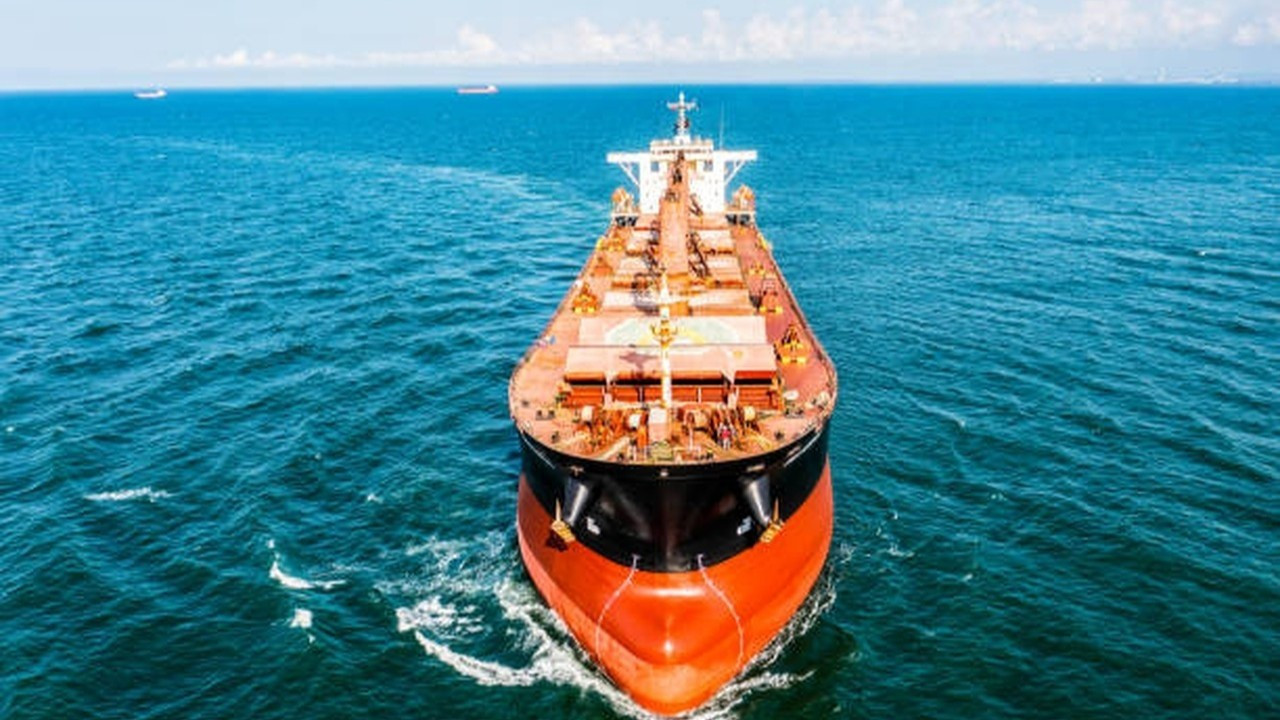
Security risks around the Strait of Hormuz and Red Sea are changing shipping routes.
Some ships are sailing around Africa instead, using more fuel and taking longer to reach their destinations.
Marine fuel prices are more than 70% above pre-war levels, according to industry data.
Shipping companies are buying enough fuel to reach the next port, rather than committing to larger, longer-term supply deals.
Refuelling demand is shifting to ports including Singapore and Mauritius, while safety concerns are drawing ships away from Fujairah in the United Arab Emirates.
Higher fuel use, prices and refuelling needs can raise freight costs, especially for grain and other bulk goods, and weaken exporters’ competitiveness.
The Suez Canal now requires technical checks for ships aged 25 or older, but the fees and time required have not yet been announced.

Marine fuel prices are more than 70% above pre-war levels, according to industry data cited by Ekonomim.
Security risks around the Strait of Hormuz and the Red Sea are leading some vessels to take longer routes around Africa.
Longer journeys and more frequent refuelling are raising shipping costs, including for grain and other bulk commodities.
Shipping companies are reducing reliance on long-term fuel contracts and buying smaller amounts more frequently.
The Suez Canal Authority has introduced mandatory technical inspections for ships aged 25 years or older.
- Who
- Shipping companies and vessel operators are changing their fuel-buying and routing practices.
- What
- Marine fuel costs have risen as security risks lead some vessels to take longer routes and refuel differently.
- When
- The article was published on October 18, 2026. It does not state when the price rise began.
- Where
- Risks are reported around the Strait of Hormuz and the Red Sea; some ships are rerouting around Africa.
- Why
- Security concerns are prompting route changes, while higher fuel prices and longer journeys are increasing costs.
This story does not have two clearly opposing sides.
Marine fuel prices were at levels more than 70% below those reported in the article.
Ekonomim reported higher marine fuel prices, route changes and new Suez Canal inspection requirements.
- Fuel prices
- More than 70% above pre-war levels
- Suez inspections
- Mandatory for ships aged 25 or older
- Fuel hub
- Singapore is described as the world's largest ship-refuelling centre
- Alternative ports
- Mauritius, ports in Southern and West Africa, Brazil, Sri Lanka and Pakistan are seeing increased fuel demand