

Business · Energy & Commodities · 6 hrs ago
Fuel Oil Shortages Push Up Costs for Asian Shipping
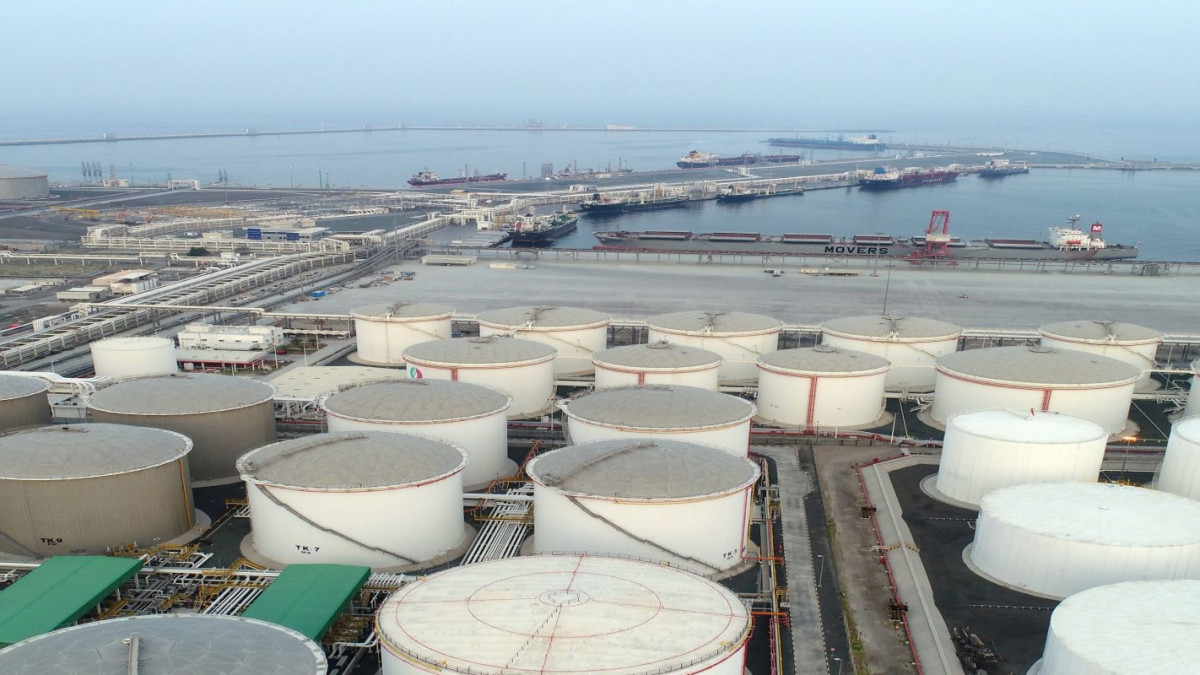
Singapore has become a costly place for ships to buy fuel as supplies of fuel oil to Asia have tightened.
Middle Eastern shipments fell after disruption to shipping through the Strait of Hormuz, while Russian supplies later dropped after refinery disruptions linked to Ukrainian drone attacks.
By September, Russian high-sulphur fuel oil shipments to Singapore had fallen to 25,000 barrels a day, from about 180,000 in April.
High-sulphur fuel oil has risen above the price of the crude used to make it, an unusual shift that adds to shipping costs beyond changes in crude oil prices.
Demand has stayed firm: Singapore sold 4.7 million tonnes of bunker fuel in September, just 1% less than a year earlier.
Longer trips to bring in replacement fuel add pressure, although supplies from Gulf producers and additional Chinese export allowances could ease the squeeze towards year-end, especially for very-low-sulphur fuel oil.

Disrupted supplies from the Middle East and Russia have pushed Asian shipping-fuel costs higher, with high-sulphur fuel oil in Singapore priced above the crude used to produce it.
Singapore’s November high-sulphur fuel oil crack against Dubai crude rose above $10 a barrel in mid-October, compared with a discount of around $5 a barrel in February.
Middle Eastern fuel oil shipments to Singapore fell to around 40,000–50,000 barrels a day in recent months, while Russian shipments dropped to 25,000 barrels a day by September.
Asian bunker demand has remained resilient, and longer voyages to replace disrupted cargoes are adding to fuel consumption and costs.
Seasonal supplies from Gulf producers and additional Chinese export allowances could ease the squeeze towards year-end, particularly for very-low-sulphur fuel oil.
- Who
- Asian shippers and buyers of marine fuel, particularly in Singapore.
- What
- Fuel oil shortages and costly replacement cargoes have pushed up fuel costs for Asian shipping.
- When
- The pressures intensified in 2026; the article was published on October 24, 2026.
- Where
- Singapore and the wider Asian shipping-fuel market.
- Why
- Disrupted Middle Eastern and Russian supplies, resilient bunker demand and high freight rates have tightened supply and raised replacement costs.
This story does not have two clearly opposing sides.
Middle Eastern fuel oil shipments to Singapore disappeared following disruption to Hormuz shipping.
Middle Eastern shipments briefly recovered to 130,000 barrels a day.
Russian HSFO shipments to Singapore had fallen to 25,000 barrels a day.
The Singapore–Rotterdam HSFO swap spread reached a record $95 a tonne.
Singapore’s November HSFO crack against Dubai crude rose above $10 a barrel.
- Singapore November HSFO crack
- Above $10/bbl in mid-October
- Singapore–Rotterdam HSFO swap spread
- Record $95/t on October 7
- Middle Eastern shipments to Singapore
- Around 40,000–50,000 b/d in recent months
- Russian HSFO shipments to Singapore
- 25,000 b/d by September
- Singapore bunker fuel sales
- 4.7 million tonnes in September, 1% below a year earlier