

Politics · Australia · 42 mins ago
Western Australia to turn Bullsbrook quarantine site into minimum-security prison
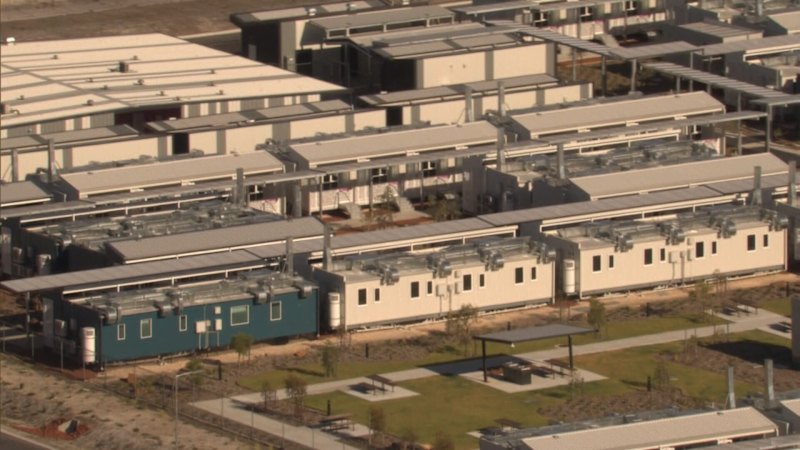
The Western Australian government has agreed in principle to lease the Bullsbrook quarantine facility from the federal government for five years.
It plans to spend $80 million to convert the site, built during the COVID-19 pandemic, into a minimum-security prison.
The prison could open within seven months if it receives planning approvals, initially housing up to 100 people and eventually holding up to 500 prisoners.
The government says it will not house high-risk offenders, sex offenders or people imprisoned for domestic violence, and plans to consult local residents and other stakeholders.
The site has been largely unused since Australia’s borders reopened, while the state’s prison population has grown and some prisons have resorted to triple-bunking inmates.
The government says reusing the facility will add prison beds faster and at lower cost than building from scratch, and support prisoners returning to the community.
After the five-year lease, the state will have the option to buy the facility for $154.3 million.

Western Australia will spend $80 million to lease the federal government’s Bullsbrook quarantine facility and convert it into a minimum-security prison.
The state has reached an in-principle agreement for a five-year lease of the 500-bed facility.
The prison could open within seven months, subject to planning approvals, with up to 100 prisoners initially and eventual capacity for 500.
The government says the site will not house high-risk offenders, sex offenders or people imprisoned for domestic violence.
Local residents have opposed the proposal, and a petition with 165 signatures was tabled in Parliament in August.
- Who
- The Western Australian state government and federal government. The state government will lease and convert the facility.
- What
- Bullsbrook’s quarantine facility will become a minimum-security prison.
- When
- The announcement was reported on November 29, 2026. The facility could open within seven months, subject to planning approvals.
- Where
- Bullsbrook, Western Australia.
- Why
- The government says reusing the facility will add prison beds more quickly and cost-effectively, easing pressure on the prison system.
Western Australian government
Local residents opposed to the proposal
Purpose
Western Australian government
The government says the prison will relieve pressure on the prison system and support prisoners’ reintegration.
Local residents opposed to the proposal
Residents have opposed the idea of converting the facility into a prison.
Safety and suitability
Western Australian government
The government says the facility has systems and infrastructure to operate safely and will not house high-risk offenders, sex offenders or domestic violence prisoners.
Local residents opposed to the proposal
Residents’ concerns are not detailed in the article; a petition urged the government not to proceed.
The Bullsbrook facility opened after being built as a COVID-era quarantine centre.
Former Corrective Services minister Paul Papalia first flagged the idea of converting the site into a prison.
A petition with 165 signatures urging the Cook Government not to proceed was tabled in Parliament.
Inspector of Custodial Services Eamon Ryan issued a “show cause” notice covering Hakea, Casuarina and Melaleuca prisons.
The state government’s in-principle agreement to lease the facility was reported.
- Lease cost
- $80 million
- Lease term
- Five years
- Facility capacity
- 500 beds
- Initial prisoner capacity
- Up to 100
- Option to buy after lease
- $154.3 million
- Petition signatures
- 165
What people are saying
Making use of existing infrastructure like Bullsbrook will allow us to bring additional beds online more quickly and cost-effectively than building a new facility from the ground up
Rather than sitting empty, this facility will be repurposed to relieve pressure on our prison system and support prisoners to reintegrate back into the community.
Community safety remained my highest priority and would underpin every stage of planning, development, engagement, and operation of the facility.