

World · Middle East · 2 hrs ago
Iran steps up attacks on ships in Strait of Hormuz
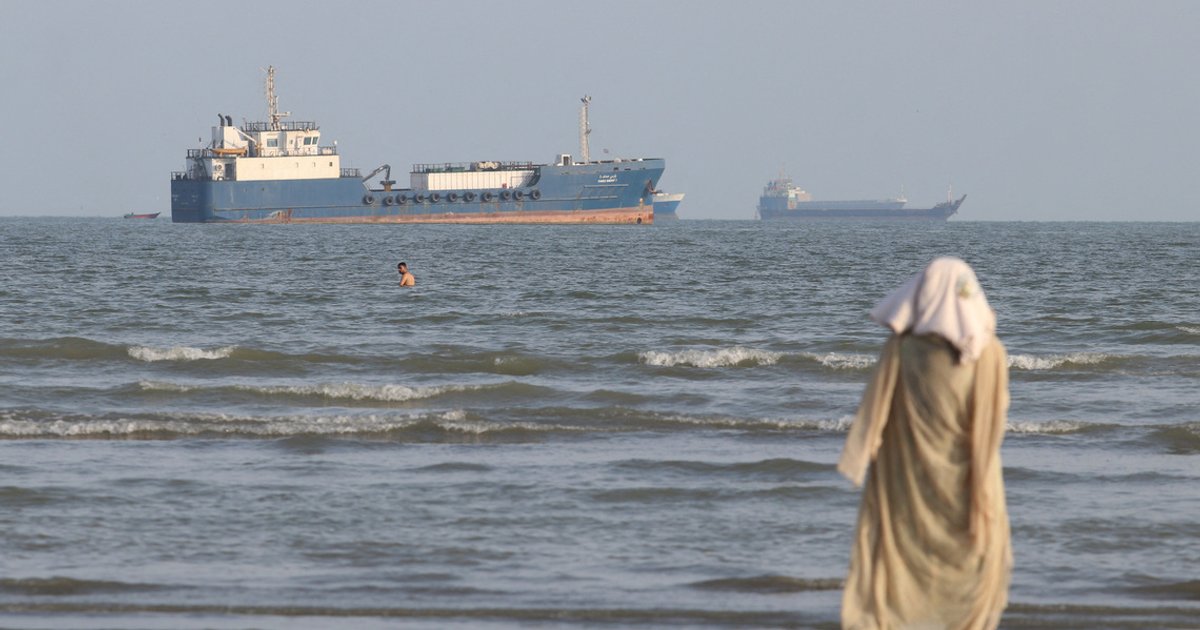
Iran is using new tactics to target ships in and around the Strait of Hormuz, according to Iranian officials.
The waterway, between Iran and Oman, carried about a fifth of global oil and liquefied natural gas trade before the war.
Iran has restricted passage since the United States and Israel began strikes on Iran on February 28, while the United States has blockaded Iranian ports and tightened sanctions.
Ship attacks have surged, with recent strikes hitting a container ship and a tanker, and tracking data showing repeated incidents in recent days.
Iran says it is targeting vessels it considers to have broken its restrictions, and officials say the strategy is intended to keep oil prices high and influence the US midterm elections.
Oil prices have risen, while shipping and insurance costs and reduced traffic add to concerns about global energy supplies.
The sources report no next step beyond continued pressure and a threat of further disruption to shipping.

Iran has begun using different offensive tactics against ships it considers in violation of its restrictions in the Strait of Hormuz, Iranian officials told Reuters.
The officials said the changes had increased attacks and were intended in part to keep oil prices high and influence the US midterm elections.
A container ship and a tanker were hit by unknown projectiles in the strait on Tuesday, according to UKMTO.
Oil prices rose on Wednesday, with Brent crude and US West Texas Intermediate futures each up 0.3 per cent.
Iran’s Navy said it had deployed units to monitor maritime traffic and warned vessels not to switch off their transponders.
- Who
- Iran is deploying new tactics to target ships; Iranian officials described the strategy.
- What
- Attacks on ships in the Strait of Hormuz have increased, and oil prices rose.
- When
- The reports were published on October 14, 2026; one official said the new tactics began about 10 days earlier.
- Where
- The Strait of Hormuz and nearby waters, including the Sea of Oman and the Arabian Sea.
- Why
- Iranian officials said the strategy aims to keep oil prices high and influence the US midterm elections.
Iran
United States
Control of the strait
Iran
Iran has restricted passage and says its actions are a matter of national security and self-defence.
United States
The United States has imposed a naval blockade of Iranian ports and is seeking to keep oil prices under control.
The United States and Israel launched strikes against Iran, according to the Straits Times.
An Iranian official said Iran began using different offensive tactics against vessels it considered in violation of its restrictions.
A US military official said Iranian spotters operated from a dhow and US forces confronted and destroyed the vessel; there were no casualties.
UKMTO recorded 15 attacks, 11 of them in the four days before Al Jazeera’s report.
UKMTO said a container ship and a tanker were hit by unknown projectiles in the Strait of Hormuz.
Oil prices climbed as reports of attacks and Iran’s new tactics emerged.
- Brent crude
- US$106.03 a barrel, up 34 US cents or 0.3 per cent by 2:30 a.m. ET
- WTI crude
- US$94.42 a barrel, up 28 US cents or 0.3 per cent by 2:30 a.m. ET
- Ships hit
- A container ship and a tanker were struck by unknown projectiles on Tuesday
- Iran Navy deployment
- Units deployed east of the Strait of Hormuz and across the Sea of Oman and Arabian Sea
- Strait’s pre-war trade
- About one-fifth of global oil and liquefied natural gas trade
- Attacks recorded by UKMTO
- 15 between October 6 and October 14
4 sources
What people are saying
The aim is to frustrate efforts by the United States and its allies to bring down global oil prices.
The fact that Iranian officials are openly admitting to undermining U.S. efforts to keep oil prices under control speaks volumes about the real intentions behind the so-called ‘peace talks,’
the increased attacks and their impact on energy flows demonstrate the fragility of the strait as a key pathway for oil exports.