

Health · Medical Research · 18 hrs ago
Ketamine and psilocybin improved mice’s choices in a simple test
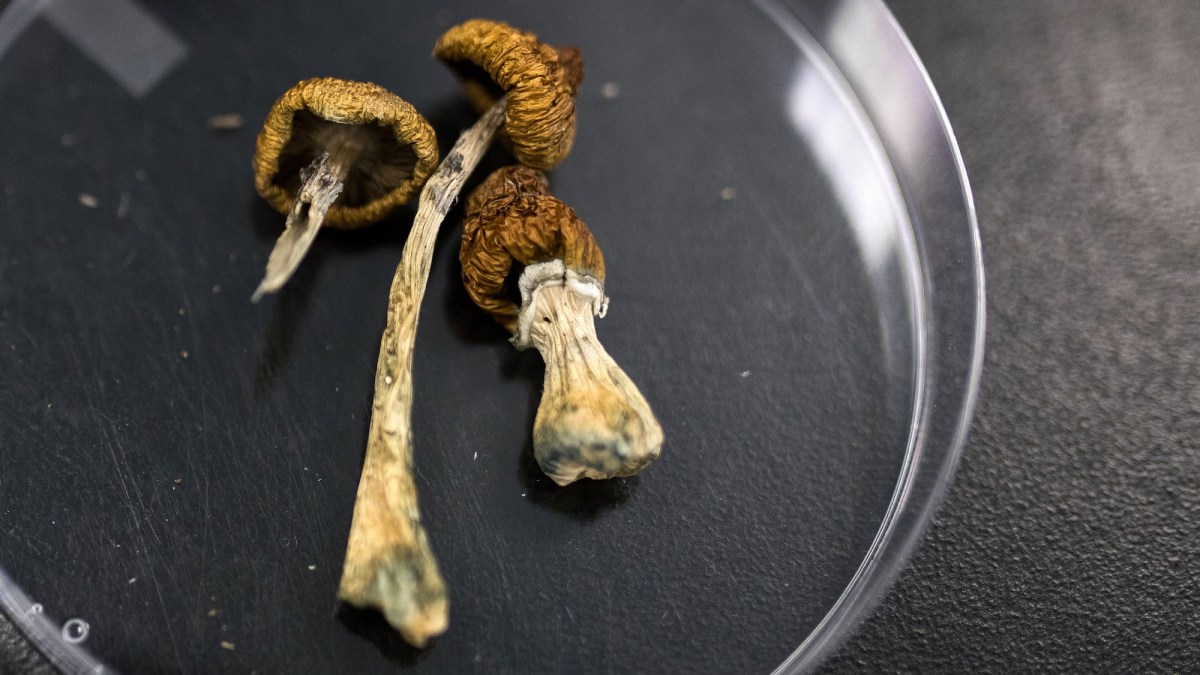
Researchers tested ketamine and psilocybin in mice to see how the drugs affected choices.
The experiment involved a simple task in which mice used light signals to find a reward.
Treated mice relied more on sensory cues and made fewer errors than mice that received no drug.
The findings may help explain how these drugs could affect people with anxiety or depression, but the results are from mice, not people.
Some mice made correct choices more slowly after treatment, raising a possible concern about reaction time in activities such as driving.
The study does not establish how the drugs affect human decision making, and it gives no next steps for testing that question.

Small doses of ketamine and psilocybin were linked to better choices by mice in a simple sensory-based test.
The treated mice made fewer errors and relied more on light cues than on repeating the same choice.
The study, published in Science Advances, found that the drugs had similar effects in the task.
Some correct decisions took the treated mice longer, which researchers said could have implications for human reaction times.
The researchers said the results do not establish that the drugs improve decision-making in people.
- Who
- Researchers tested lab mice; Benjamin Scott of Boston University was a study co-author.
- What
- The study found that mice given ketamine or psilocybin made fewer errors in a sensory-based choice task.
- When
- The study was published on November 20, 2026.
- Where
- The study was published in the journal Science Advances. The location of the experiment is not stated.
- Why
- Researchers investigated whether the drugs affect how choices are made; the sources do not state a specific reason for conducting the study.
This story does not have two clearly opposing sides.
Researchers gave lab mice small amounts of ketamine or psilocybin.
Mice used light pulses to identify which of two sites contained a reward.
The study was published in Science Advances.
- Drugs tested
- Ketamine and psilocybin
- Test subjects
- Lab mice
- Task
- Choose a reward location using light cues from two sites
- Study journal
- Science Advances
- Publication date
- November 20, 2026
What people are saying
These findings reveal how psychedelics reduce the reliance on habits and repetitive choices, which may explain part of their therapeutic effect
The discovery we report in this paper is that these two drugs have similar pro-cognitive effects, at least in mice performing a simple task
Both drugs strengthen the influence of sensory evidence on choices and reduce the effect of bias