

Business · Economy · 3 hrs ago
Brazil’s Interest Rates Seen as Key to Competitiveness and Growth
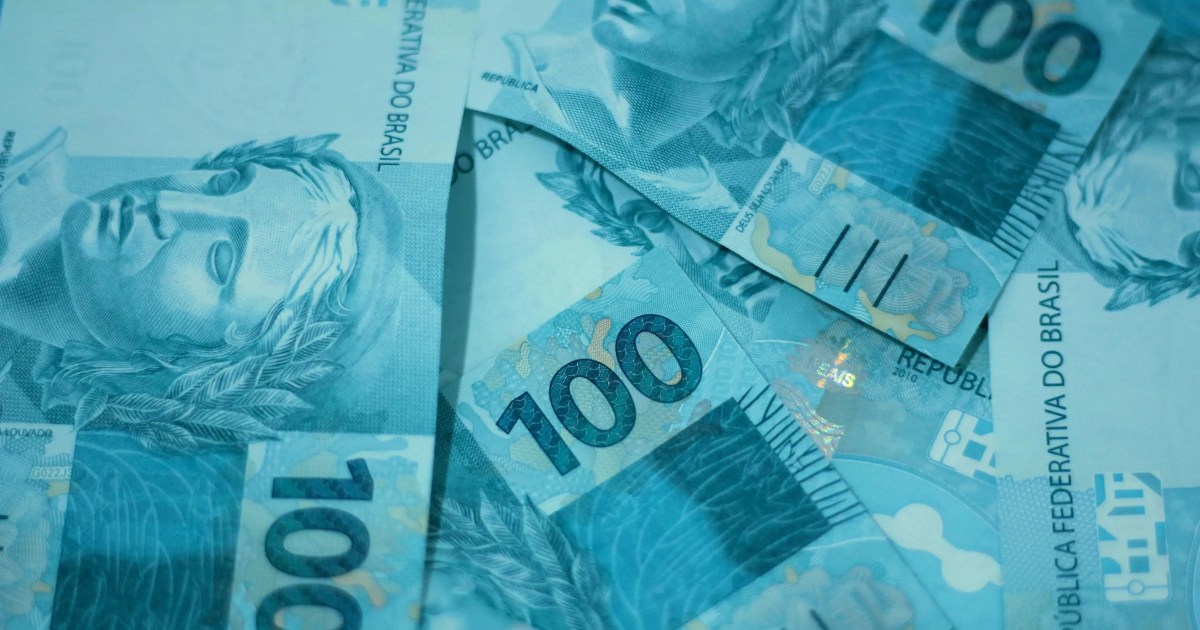
Brazil’s central bank kept interest rates unchanged, a decision analyst Patricia Ellen said was expected.
Forecasts cited by Ellen pointed to rising inflation, slower economic growth and a weaker currency, leaving little room for further rate cuts.
She said high interest rates affect productivity, competitiveness and growth, not just inflation and confidence in the central bank.
Ellen argued that monetary and fiscal policy need to work together, including a government signal on controlling mandatory spending while protecting social priorities.
She also called for investment in energy, fertilisers, logistics, storage and technology to improve productivity and supply.
The Mercosur-EU agreement is a major opportunity for Brazil, she said, noting that Brazilian exports rose more than 20% from January to September under the preliminary agreement.
Ellen said Brazil should also increase the value of its exports, but no next steps on rates or the agreement were specified.

Analyst Patricia Ellen said Brazil’s interest rates affect productivity, competitiveness and the country’s ability to grow, not just inflation control.
She said monetary and fiscal policies need to be aligned, including a government signal on controlling mandatory spending.
The central bank’s decision to keep rates unchanged was expected amid forecasts of rising inflation, slower GDP growth and a weaker exchange rate.
Ellen identified investment in energy, fertilisers, logistics, technology, innovation and artificial intelligence as priorities for improving competitiveness.
She described the Mercosur–European Union agreement as Brazil’s biggest concrete opportunity at present.
- Who
- Patricia Ellen, CNN’s competitiveness analyst, discussed the effects of interest rates on Brazil.
- What
- The discussion focused on how interest rates affect competitiveness and growth, and on aligning monetary and fiscal policies.
- When
- The article was published on 5 November 2026. The rate decision was described as expected.
- Where
- Brazil.
- Why
- Ellen said interest rates affect productivity, competitiveness and growth, and argued that the country must also invest in supply-side improvements.
This story does not have two clearly opposing sides.
The preliminary Mercosur–European Union agreement entered into force.
Brazilian exports grew by more than 20% under the preliminary agreement.
Export growth was more than 60%.
- Rate decision
- The Copom kept interest rates unchanged.
- Export growth
- More than 20% from January to September under the preliminary Mercosur–European Union agreement.
- Agreement start
- The preliminary agreement entered into force in May.
- September exports
- Growth was more than 60%.
- EcoInvest
- R$ 50 billion in investments approved by four banks.
What people are saying
The Focus survey yesterday indicated more than a 70% chance of holding rates.
Brazil is a great opportunity.