

Business · Economy · 2 hrs ago
RBI drains surplus liquidity, then injects funds to steady overnight rates
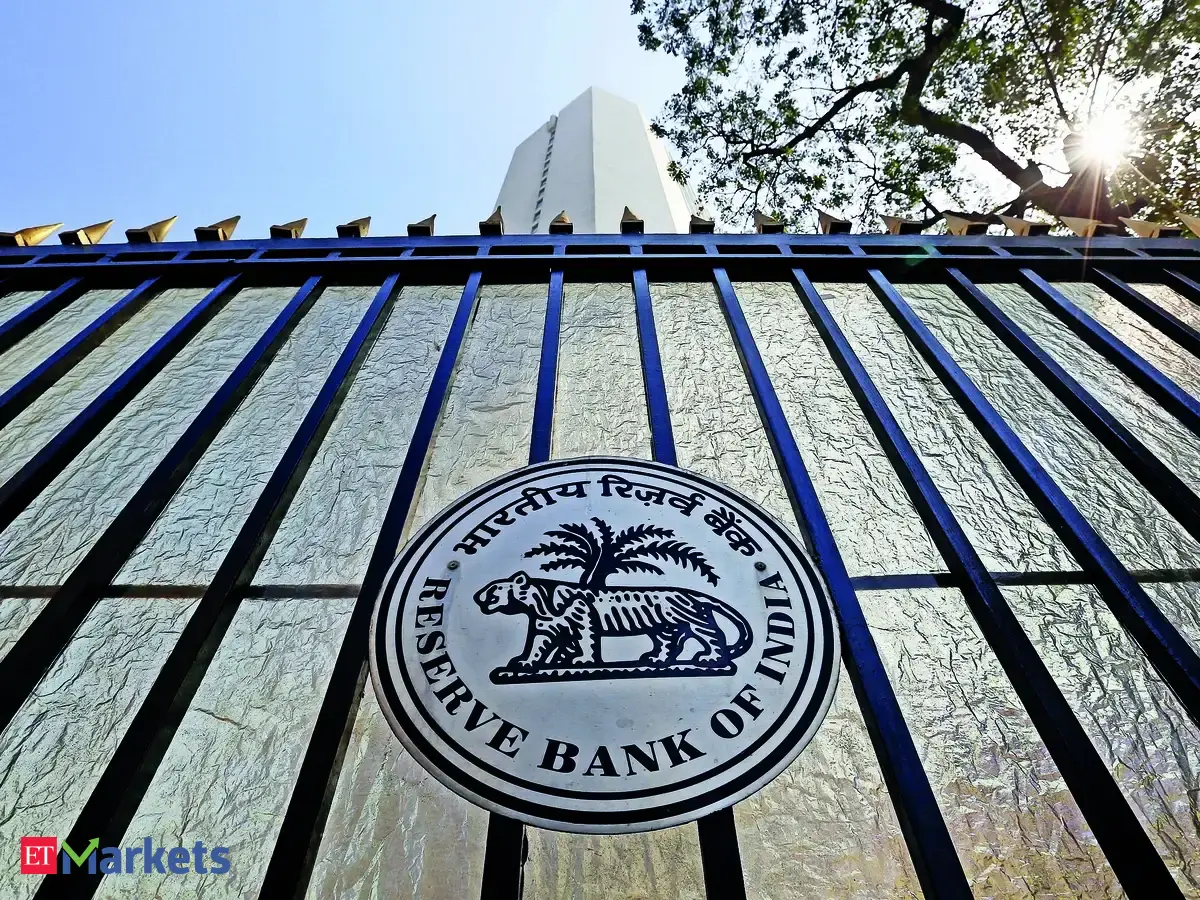
The Reserve Bank of India cut the banking system's cash surplus from a peak of ₹11 lakh crore to ₹48,303 crore in about six weeks.
The surplus had grown after banks attracted $133 billion from overseas Indians through the FCNR(B) scheme and exchanged the dollars for rupees with the RBI.
The extra cash pushed overnight borrowing rates below the RBI's 5.50% repo rate, which could weaken the effect of its tightening stance.
To absorb cash, the RBI used reverse-repo auctions, dollar sell-buy swaps and a higher daily cash reserve requirement for banks.
As liquidity tightened, the overnight rate rose to 5.75%, above the repo rate, and remained around 5.65% on Wednesday.
The RBI then temporarily injected funds through repo auctions to prevent overnight rates from rising too sharply.

The Reserve Bank of India reduced a banking-system liquidity surplus from a peak of ₹11 lakh crore to ₹48,303 crore in about six weeks.
The surplus grew after banks raised $133 billion from overseas Indians under the FCNR(B) scheme and swapped the dollars with the RBI for rupees.
The surplus had pushed the weighted average call rate as low as 4.93% in mid-September, below the 5.50% repo rate.
After liquidity tightened, the RBI injected funds through variable rate repo operations to prevent overnight rates from rising too sharply.
- Who
- The Reserve Bank of India and banks.
- What
- The RBI drained surplus banking-system liquidity and later injected funds through variable rate repo operations to steady overnight rates.
- When
- Over about six weeks, with the article published on October 22, 2026.
- Where
- India.
- Why
- The RBI sought to bring overnight rates closer to its policy rate and prevent them from rising too sharply as liquidity tightened.
This story does not have two clearly opposing sides.
Banking-system liquidity stood at a surplus of about ₹3.5 lakh crore.
After banks swapped dollars raised under the FCNR(B) scheme for rupees, the liquidity surplus rose to more than ₹11 lakh crore.
The weighted average call rate fell to 4.93%, 30 basis points below the repo rate.
The RBI conducted sell-buy swaps of at least $10 billion to drain excess cash.
The RBI conducted a ₹1 lakh crore variable rate repo auction to inject funds.
The RBI conducted a ₹50,000 crore variable rate repo operation.
- Liquidity surplus peak
- ₹11 lakh crore
- Liquidity surplus after about six weeks
- ₹48,303 crore
- FCNR(B) funds raised
- $133 billion
- Repo rate
- 5.50%
- Monday variable rate repo auction
- ₹1 lakh crore
- Friday variable rate repo operation
- ₹50,000 crore