

Health · Medical Research · 4 hrs ago
Probiotic Trial Finds Possible Benefits for Older Adults With Early Cognitive Decline
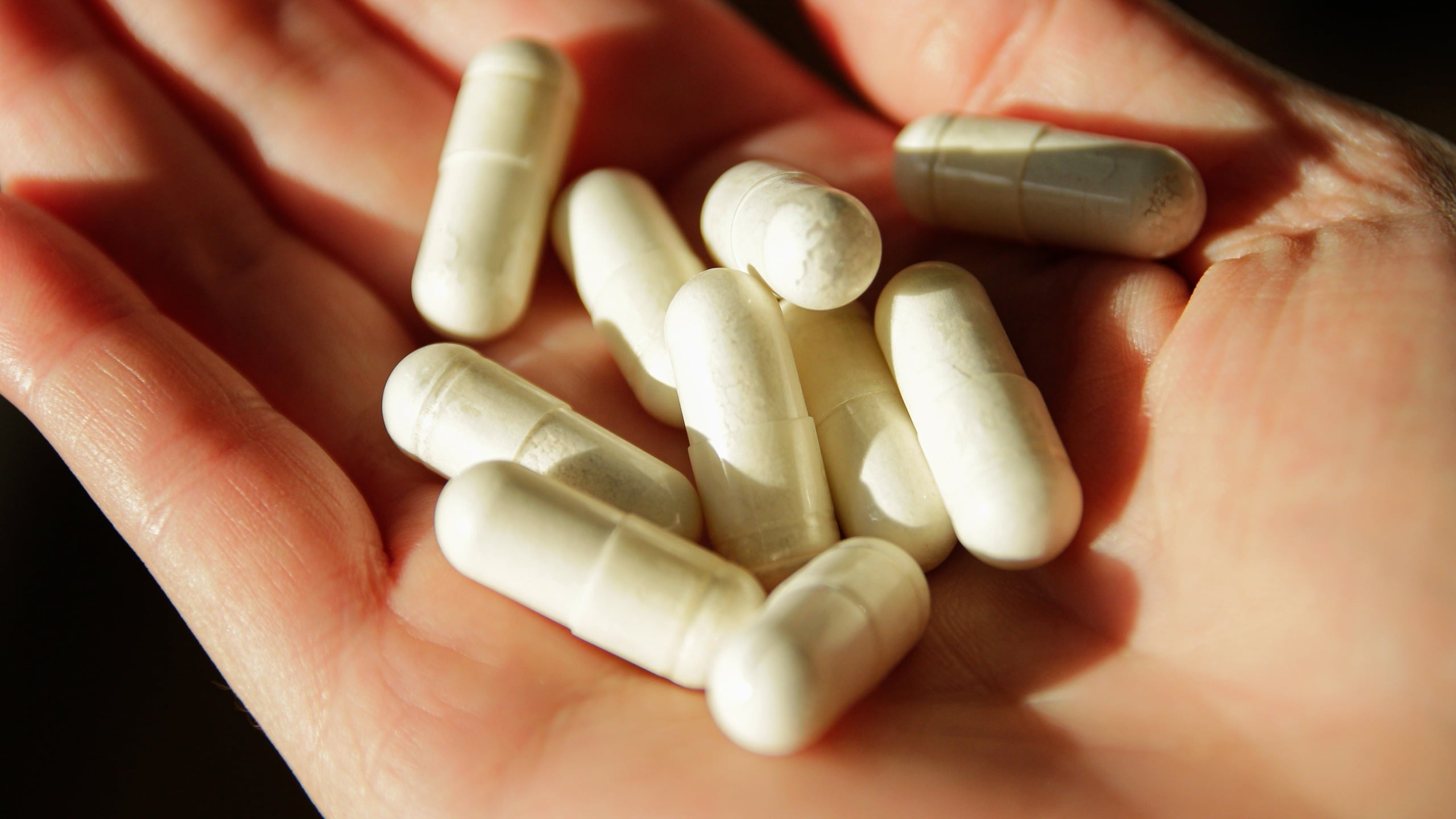
A 24-week trial in South Korea tested a daily, three-strain probiotic in older adults with early cognitive impairment.
Of 100 people initially assigned to treatment or placebo, 87 completed the trial, and neither participants nor researchers knew who received which.
The probiotic group had lower blood levels of pTau181, a marker associated with Alzheimer’s-related changes in the brain.
They also improved on some cognitive tests, including tasks involving visual information and spatial skills, though not every comparison with the placebo group was statistically significant.
The results are preliminary and do not show that probiotics reduce tau build-up in the brain or prevent Alzheimer’s disease.
Researchers say larger, longer trials are needed to establish whether probiotics have clinical value.

A clinical trial found that a daily three-strain probiotic was associated with lower blood levels of pTau181 and improvements on some cognitive tests in older adults with early cognitive impairment.
The treatment lasted 24 weeks and used the supplement KL-P301.
Of 100 people initially assigned to the trial, 87 completed it: 40 in the probiotic group and 47 in the placebo group.
Participants and researchers did not know who received the probiotic or placebo.
The researchers described the findings as preliminary, and the trial did not show that probiotics directly reduce tau tangles in the brain.
- Who
- Older adults with early cognitive impairment took part in the trial.
- What
- Researchers tested a daily multistrain probiotic against a placebo. The probiotic group had lower pTau181 levels and improved on some cognitive measures.
- When
- The intervention lasted 24 weeks.
- Where
- The participants were from South Korea’s Gwangju Alzheimer’s Disease and Related Dementias cohort.
- Why
- The study examined whether probiotics could affect blood biomarkers and cognitive function related to early Alzheimer’s disease processes.
This story does not have two clearly opposing sides.
Participants took the probiotic or placebo daily during the intervention.
The probiotic group showed a significant reduction in plasma pTau181 and better results on some cognitive measures.
- Participants initially randomized
- 100
- Trial completers
- 40 probiotic; 47 placebo
- Intervention duration
- 24 weeks
- Probiotic
- KL-P301
- Bacterial strains
- Bifidobacterium animalis, Limosilactobacillus fermentum, and Levilactobacillus brevis
- Publication
- Journal of Alzheimer's Disease, 2026
2 sources
What people are saying
Collectively, these findings indicate that maintaining or restoring the gut microbial balance through probiotic supplementation may represent a promising strategy to mitigate early Alzheimer's disease-related pathological processes during the prodromal stage of Alzheimer's.
puede sugerir un efecto antiinflamatorio selectivo del probiótico multicepa sobre vías específicas de citocinas