

Science & Tech · Space · 10 hrs ago
Asteroid 1998 KY26’s unexplained acceleration puzzles scientists
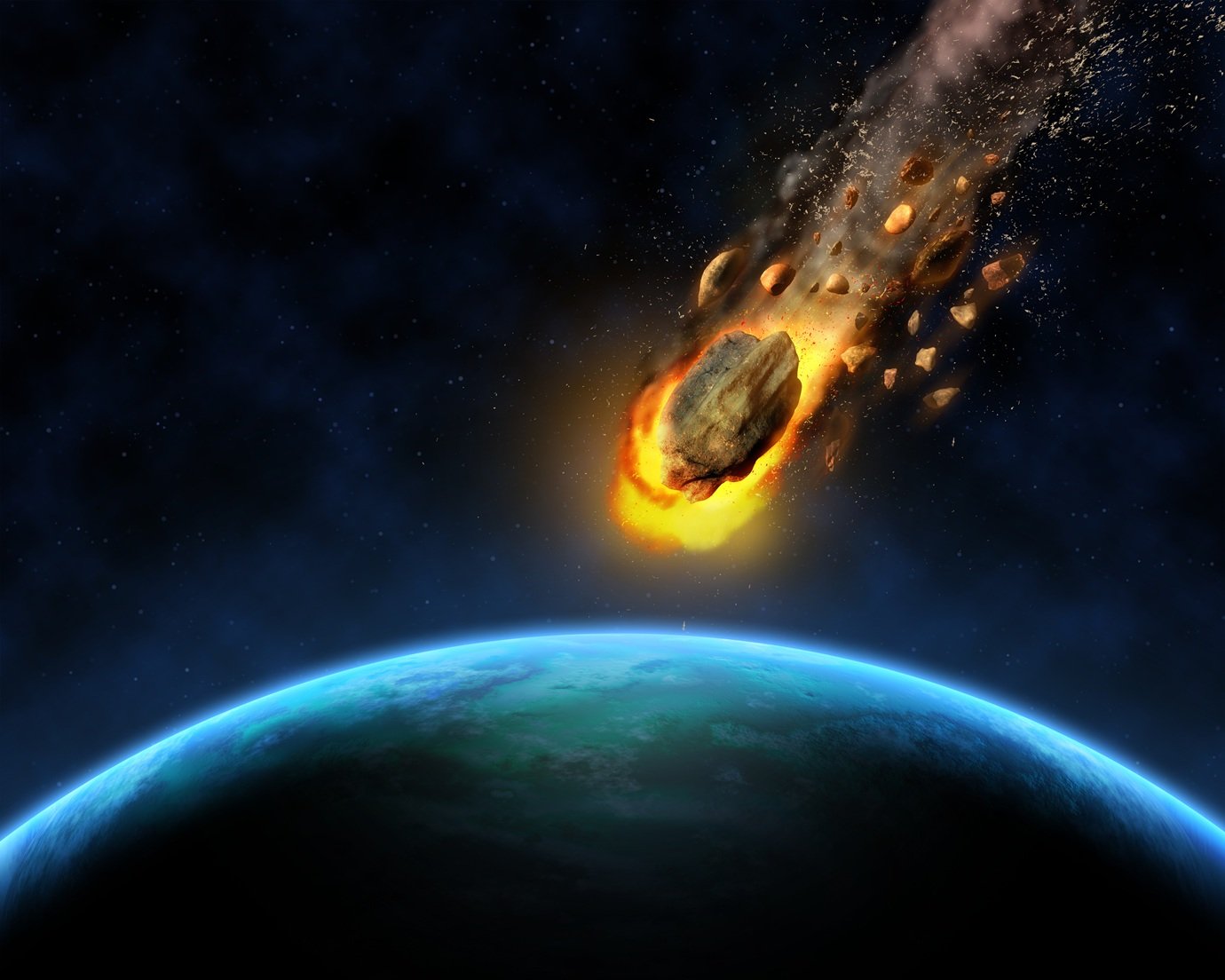
Asteroid 1998 KY26, about 11 metres wide, is accelerating unusually as it travels around the Sun.
Its changed motion has no confirmed explanation, and one theory is that escaping gas is pushing it like a comet.
Such an object could release gas without forming the bright tail usually seen on comets.
Researchers found its coldest regions are too warm for water ice to last over long periods, making that theory less likely.
If escaping ice caused the acceleration, the supply could run out in 62 years, although scientists do not know how long the asteroid has been in its current orbit.
Pressure from sunlight is another possible cause, but the origin of the movement remains uncertain.
Japan’s Hayabusa2 spacecraft is expected to reach the asteroid in July 2031 and study it with cameras and a laser instrument.

Asteroid 1998 KY26 has an unusual acceleration that scientists have not yet explained.
The asteroid is about 11 metres in diameter and rotates once every 5.35 minutes.
One proposed explanation is gas escaping from sublimating ice, but researchers say its temperatures make long-term ice survival difficult.
Solar radiation pressure is another possible explanation for the acceleration.
Japan’s Hayabusa2 probe is expected to reach the asteroid in July 2031 and study it.
- Who
- Researchers studying asteroid 1998 KY26, with Japan’s Hayabusa2 probe expected to investigate it.
- What
- The asteroid shows an unusual acceleration whose cause remains uncertain.
- When
- The acceleration was detected in 2023. Hayabusa2 is expected to reach the asteroid in July 2031.
- Where
- In space, as the asteroid orbits the Sun.
- Why
- The cause is not known. Researchers have considered gas escaping from ice and pressure from solar radiation.
Dark-comet hypothesis
Solar-radiation explanation
Cause of acceleration
Dark-comet hypothesis
Sublimating ice could release gas and push the asteroid, although the asteroid may be too warm to retain ice for long periods.
Solar-radiation explanation
Pressure from sunlight could influence the asteroid’s motion.
Evidence and uncertainty
Dark-comet hypothesis
If gas release caused the acceleration, the ice could be exhausted in 62 years, but researchers have not completely ruled out ice.
Solar-radiation explanation
Researchers say solar radiation pressure could explain the acceleration, but its origin has not been determined.
Astronomers detected an unusual acceleration in 1998 KY26’s motion.
Japan’s Hayabusa2 probe is expected to reach the asteroid and study it.
- Asteroid
- 1998 KY26
- Diameter
- About 11 metres
- Rotation
- One turn every 5.35 minutes
- Coldest-region temperature
- At least -61 °C on average
- Possible ice-depletion time
- 62 years if gas release causes the acceleration
- Planned probe encounter
- Hayabusa2, July 2031