

Science & Tech · Science & Environment · 7 hrs ago
Chesapeake Bay Ospreys Face Record Breeding Decline Amid Food Shortage
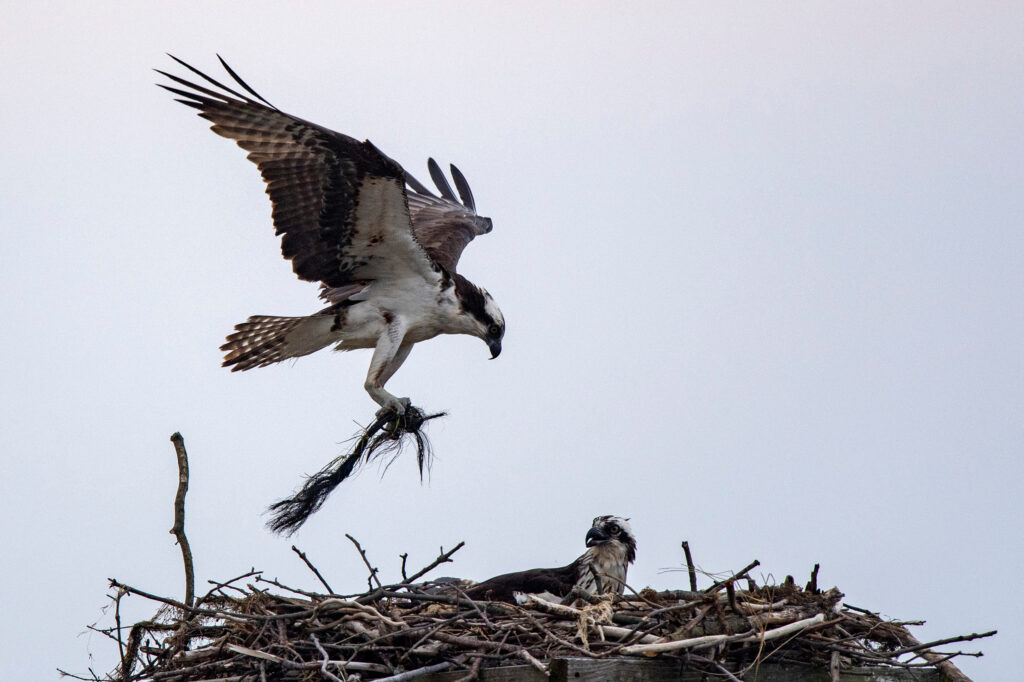
A 2026 survey found Chesapeake Bay ospreys had their worst breeding season on record.
The bay is home to the world’s largest breeding population of ospreys, which return each year to raise chicks.
Researchers linked the decline, especially in saltier parts of the bay, to too few Atlantic menhaden during the nesting season.
Ospreys need plenty of fish in April, May and June, but menhaden may not arrive in large numbers until late June or July.
The shortage is leaving chicks without enough food, and some females are not laying eggs.
The survey estimated that pairs are raising 0.26 chicks each, below the 0.8 needed to replace adults that die.
Ospreys in areas with access to other kinds of fish are doing better, while the research described the decline in menhaden-dependent areas as a threat to the population’s ability to sustain itself.

A 2026 survey found Chesapeake Bay ospreys had their worst recorded breeding productivity, with especially steep declines in saltier parts of the estuary.
Researchers linked the decline to severe food stress caused by low availability of Atlantic menhaden during the nesting season.
Osprey productivity was about 0.26 chicks per pair, below the estimated 0.8 needed to replace losses and sustain the population.
Researchers said more than 30 percent of females in some study areas were not laying eggs, compared with about 2 percent in the 1980s.
The findings followed years of reports from residents and watermen about poor osprey reproduction.
- Who
- Chesapeake Bay ospreys and the researchers monitoring their breeding.
- What
- A survey found record-low breeding productivity and linked it to food stress from low menhaden availability.
- When
- The survey covered the 2026 breeding season. Local nest monitoring began in 2024.
- Where
- Chesapeake Bay, especially its saltier regions.
- Why
- Researchers linked the decline to low availability of Atlantic menhaden during the period when ospreys need fish to raise chicks.
This story does not have two clearly opposing sides.
Roberta Kellam began observing osprey chicks disappearing after hatching at nests near Nassawadox Creek.
Kellam and researchers began the first comprehensive survey of her local osprey colony.
A bay-wide survey found the worst osprey breeding productivity recorded in the Chesapeake Bay.
- Survey year
- 2026
- Osprey productivity
- About 0.26 chicks per pair
- Minimum break-even estimate
- 0.8 chicks per pair
- Menhaden deliveries
- An estimated 80 percent decline
- Females not laying eggs
- More than 30 percent in some study areas; about 2 percent in the 1980s
- Local colony survey began
- 2024
What people are saying
They need [menhaden] in mid-May to about mid-June. That’s a critical period, and they’re not available.
the worst productivity year ever recorded for ospreys in the Chesapeake Bay
Once they hatched, they were disappearing
very grim