

Science & Tech · Science & Environment · 1 hr ago
Global warming is accelerating as climate indicators reach record extremes
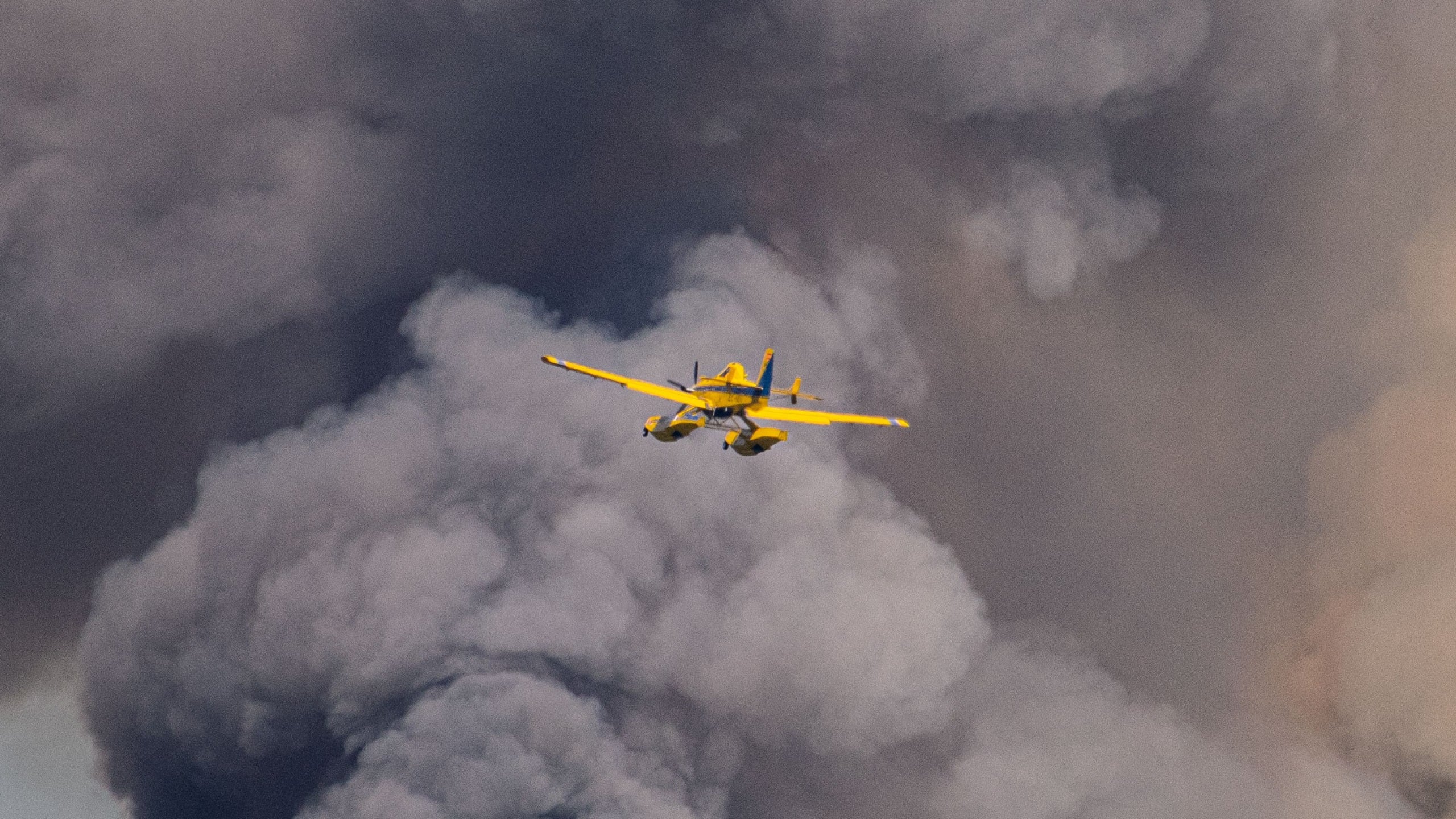
An international team of climate scientists says Earth’s climate is becoming less stable in its 2026 annual update.
Seven of the 16 indicators they track have reached record extremes.
The pace of warming rose from about 0.19°C per decade between 1970 and 2010 to about 0.36°C per decade since 2010.
Atmospheric carbon dioxide exceeded 428 parts per million in May 2026, while fossil fuel use and energy-related emissions reached record highs in 2025.
Melting glaciers and ice loss in Greenland are contributing to rising sea levels, and wildfires can release more greenhouse gases.
Renewable energy and battery storage are growing, but the scientists say these changes are not enough without major emissions cuts.
They call for action across energy, economic and ecological systems, including climate adaptation and ecosystem protection.

An international team of climate scientists says the rate of global warming has nearly doubled since 2010, reaching about 0.36°C per decade.
Seven of 16 tracked climate indicators have reached record extremes, according to the 2026 State of the Climate Report.
Atmospheric carbon dioxide exceeded 428 parts per million in May 2026, while energy-related CO₂ emissions topped 41 billion tonnes in 2025.
Fossil fuel consumption rose in 2025 even as renewable energy expanded.
The report’s authors and a Turkish water-policy group say technological progress alone is insufficient and call for broad emissions cuts and changes across sectors.
- Who
- An international coalition of climate scientists published the report; Dursun Yıldız, head of the Water Policies Association, commented on it.
- What
- The 2026 State of the Climate Report says warming is accelerating and several climate indicators have reached record extremes.
- When
- The report was published in 2026; the articles appeared on October 26 and 27, 2026.
- Where
- The report concerns global climate conditions. Its publication in BioScience is stated by Habertürk.
- Why
- The report links the worsening indicators to human emissions and fossil fuel use, and says broader action is needed to stabilize the climate.
This story does not have two clearly opposing sides.
The global warming rate was about 0.19°C per decade.
The warming rate rose to about 0.36°C per decade; Habertürk gives the period as 2010–2024.
Atmospheric carbon dioxide exceeded 428 parts per million.
Fossil fuel consumption increased, and energy-related CO₂ emissions exceeded 41 billion tonnes.
ScienceAlert published its report on the findings.
Habertürk published its coverage and Dursun Yıldız’s assessment.
- Climate indicators
- 7 of 16 at record extremes
- Warming rate
- About 0.36°C per decade since 2010
- Atmospheric CO₂
- More than 428 parts per million in May 2026
- Energy-related CO₂ emissions
- More than 41 billion tonnes in 2025
- Fossil fuel consumption
- Increased by 0.9% in 2025
3 sources
Greenhouse gas emissions have hit an all-time high: Study reveals how CO2 growth rates have tripled - as climate scientists call for urgent action
2026 Küresel İklim Raporu uyarıyor: İklim krizinde kritik eşiklere yaklaşıyoruz!
Global Warming Has Nearly Doubled in Speed Since 2010, Major Report Finds
What people are saying
Rapid destabilization is now a diagnosis rather than a warning for the future
A more resilient and sustainable future depends heavily on big cuts in greenhouse gas emissions, effective adaptation, and ecosystem protection
this report shows that the climate crisis is no longer only an environmental problem concerning the future; it is one of today's most important structural threats to water, food, energy, ecosystems, economic development and social security