

Health · Fitness & Nutrition · 1 hr ago
Trial compares ice massage, massage guns and rest for runner recovery
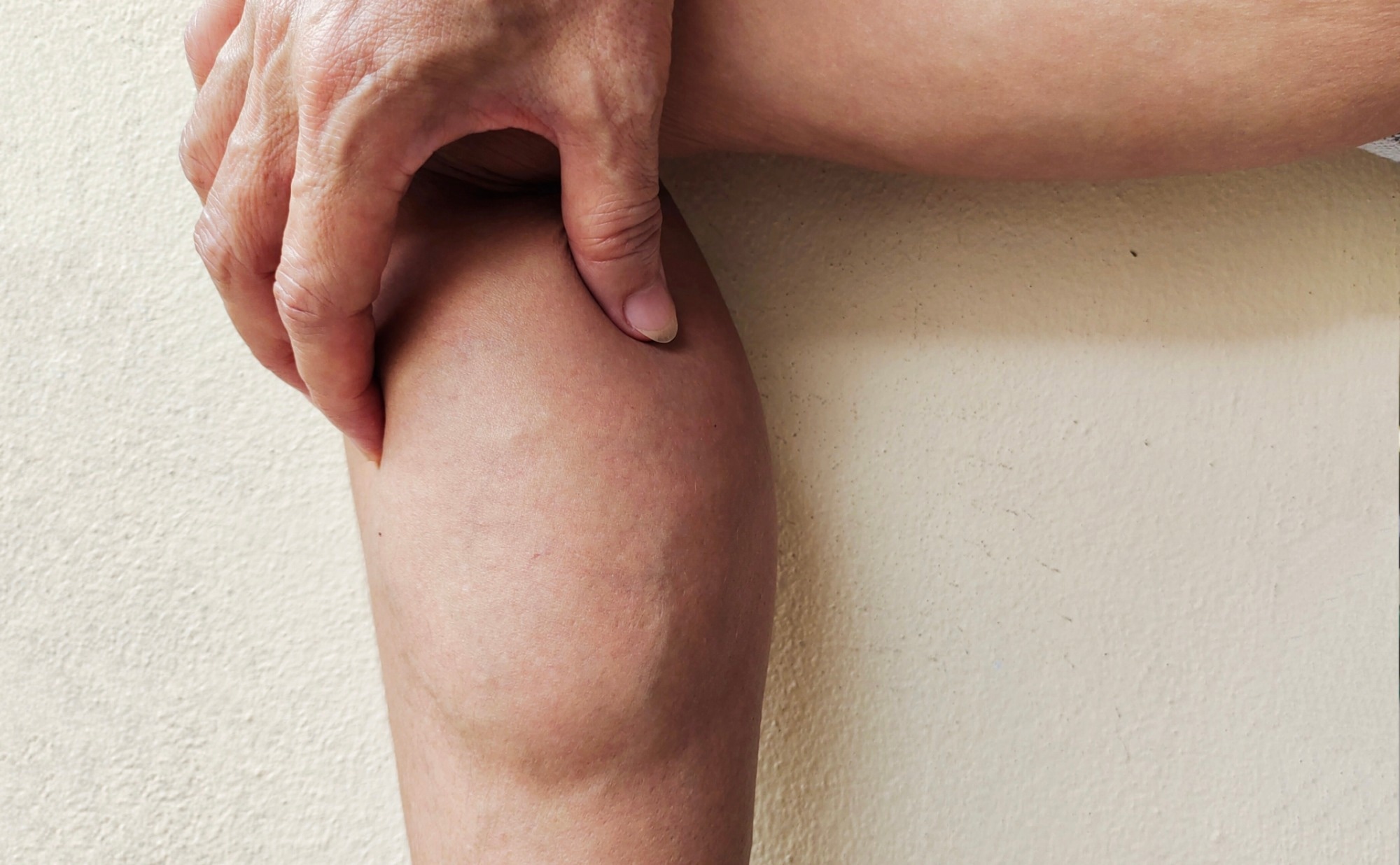
A trial in Poland compared four recovery approaches for recreational runners after strenuous calf exercise: ice massage, percussive massage, both treatments, and rest.
The study involved 80 runners aged 18 to 40, with 20 assigned to each group.
Runners often put repeated strain on their calves and Achilles tendons, and hard or unfamiliar exercise can cause soreness and temporarily affect muscle function.
The researchers measured soreness, jumping ability and tissue stiffness, along with other indicators, for 72 hours.
Participants receiving active treatments had them immediately after exercise and twice a day for three days.
Recovery patterns differed among the groups, but the reported results do not say which approach worked best.

A randomized trial compared ice massage, percussive massage, combined treatment and passive rest for recovery in recreational runners.
The study followed 80 runners after calf exercises designed to place the muscles under load while lengthening them.
Researchers tracked soreness, jumping performance, tissue stiffness and other measures over 72 hours.
All participants completed follow-up, with 20 assigned to each recovery group.
The source describes differences in recovery trajectories but does not provide results showing which approach worked best.
- Who
- Researchers studied 80 recreational runners aged 18–40.
- What
- A randomized trial compared ice massage, percussive massage, combined treatment and passive rest after calf exercise.
- When
- Participants were assessed immediately after exercise and at 24, 48 and 72 hours.
- Where
- The study was single-center; its researchers were from institutions in Poland and Montenegro.
- Why
- The trial aimed to compare the approaches’ short-term effects on calf muscle–tendon recovery.
This story does not have two clearly opposing sides.
Active recovery treatments began.
Active treatments were repeated twice daily, for a total of seven sessions.
Researchers assessed participants’ recovery measures.
- Participants
- 80 recreational runners, aged 18–40
- Groups
- 20 participants each in four groups
- Exercise protocol
- Five sets of 15 bilateral calf raises
- Follow-up
- 72 hours
- Treatments
- Ice massage, percussive massage, combined recovery and passive rest
What people are saying
How quickly can a runner’s calves recover after exercise?