

Archive · 16 Jan 2026
Judicial Separation: A Legal Break in Marriage
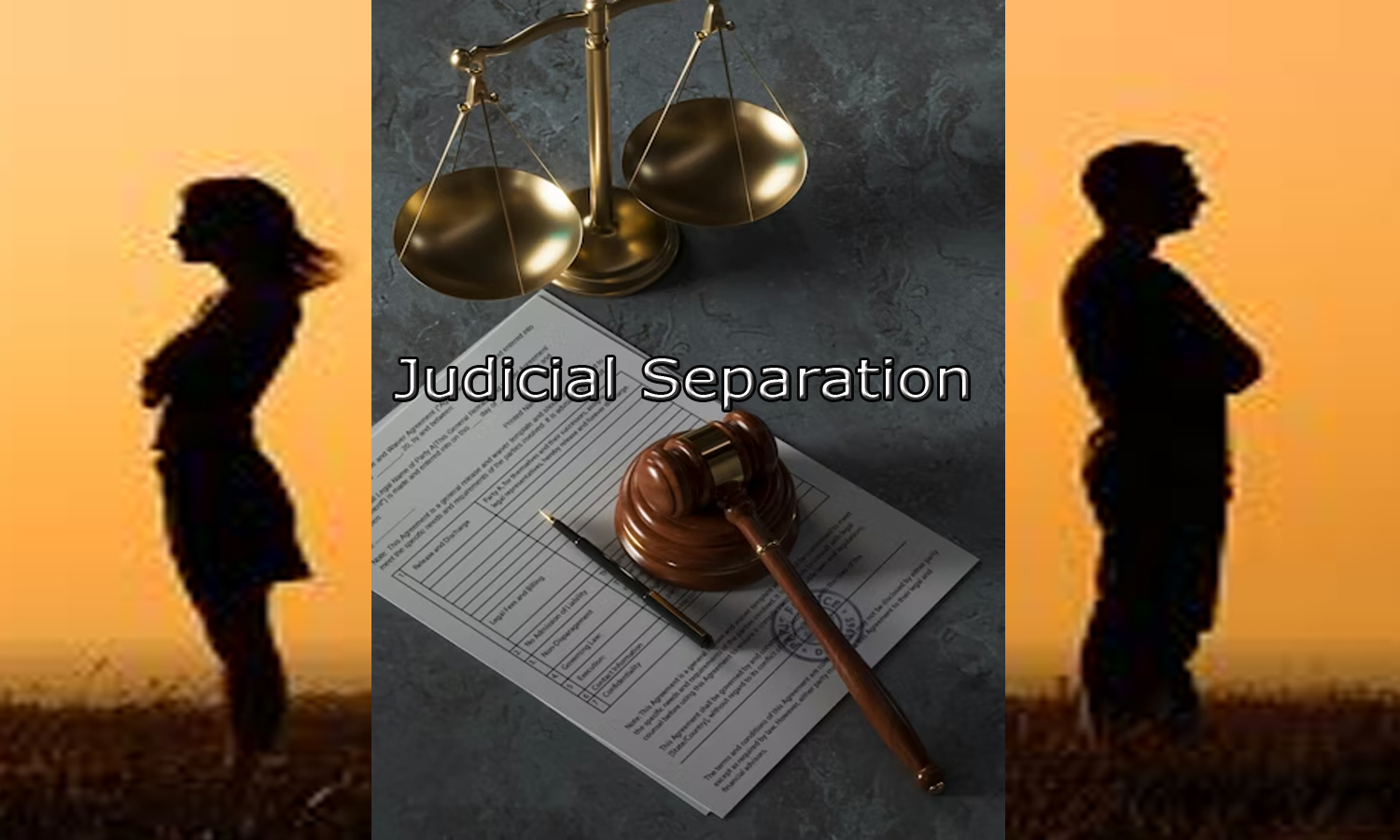
Judicial separation is like a legal pause in a marriage.
It allows couples to live apart without getting a divorce.
This gives them time and space to think about their relationship and decide if they want to reconcile or not.
It's different from divorce because the marriage still exists, but the legal obligation to live together is suspended.
Both husband and wife can ask for this, and it's available to all married couples, no matter their religion.
The court can also decide on things like maintenance and custody during this time.
If the couple doesn't get back together, this separation can eventually lead to a divorce.
It's important because it helps couples deal with marital problems in a more humane and balanced way, protecting their dignity and well-being.

Judicial separation allows spouses to live apart without dissolving the marriage, providing a cooling-off period for reflection or reconciliation.
Available to all married couples, regardless of religion, under various personal laws and the Special Marriage Act.
Grounds for judicial separation include cruelty, adultery, desertion, or inability to live together.
Maintenance during judicial separation is claimed via a separate application and can be decided by the court or agreed upon through mediation.
Judicial separation can eventually lead to divorce if reconciliation does not occur, serving as a transitional phase between marriage and divorce.
- Who
- Married couples, regardless of religion.
- What
- Judicial separation, a legal arrangement allowing spouses to live apart without dissolving the marriage.
- When
- When couples are unable to live together and need legal space to heal or decide the future of their relationship.
- Where
- In India, under various personal laws and the Special Marriage Act.
- Why
- To provide a structured relief and a cooling-off period for reflection or reconciliation before taking the irreversible step of divorce.
- Definition
- A court-approved arrangement allowing spouses to live apart without dissolving the marriage.
- Legal Basis
- Section 10 of the Hindu Marriage Act, Section 23 of the Special Marriage Act, Section 22 of the Indian Divorce Act, 1869, and Section 34 of the Parsi Marriage and Divorce Act, 1936.
- Grounds
- Cruelty, adultery, desertion, or inability to live together.
- Maintenance
- Claimed via a separate application; courts may grant interim or final maintenance.
- Divorce Transition
- Can eventually lead to divorce if reconciliation does not occur.
- Applicability
- Available to all married couples, regardless of religion.
- Live-in Partners
- Not applicable; remedies available under the Protection of Women from Domestic Violence Act, 2005.
- Importance
- Provides structured relief and a cooling-off period for reflection or reconciliation.