

Archive · 21 Sep 2026
Iran Ties Hormuz Reopening and Talks to US Conditions
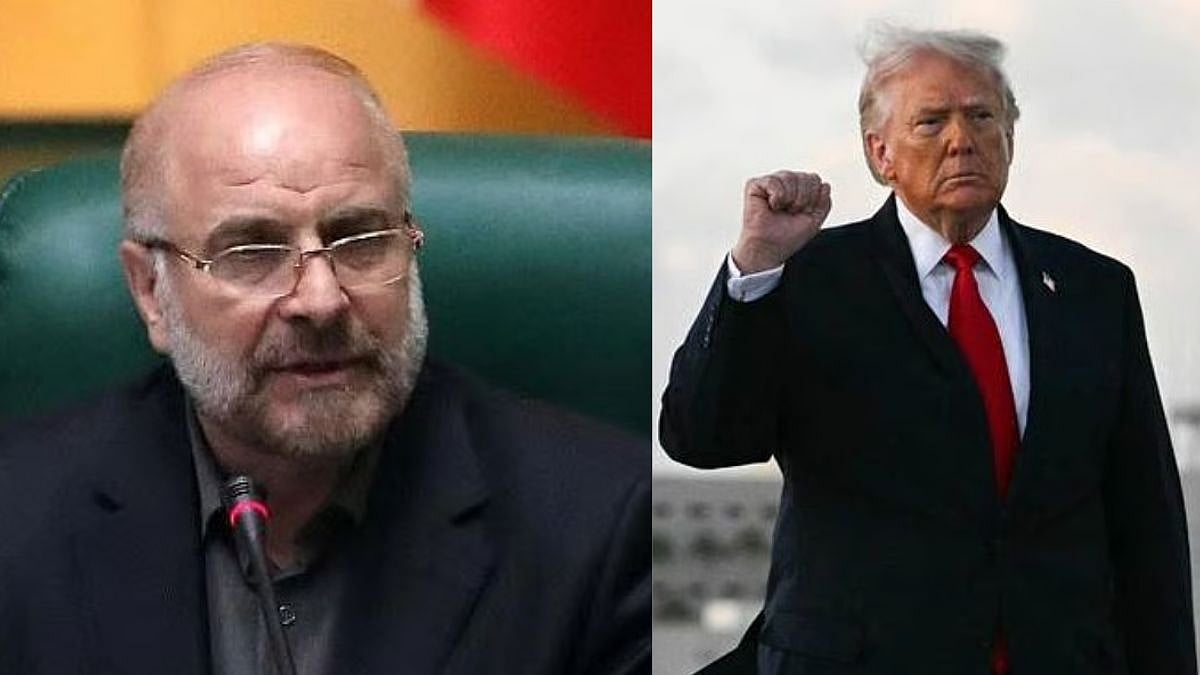
Iran says it will not reopen the Strait of Hormuz yet.
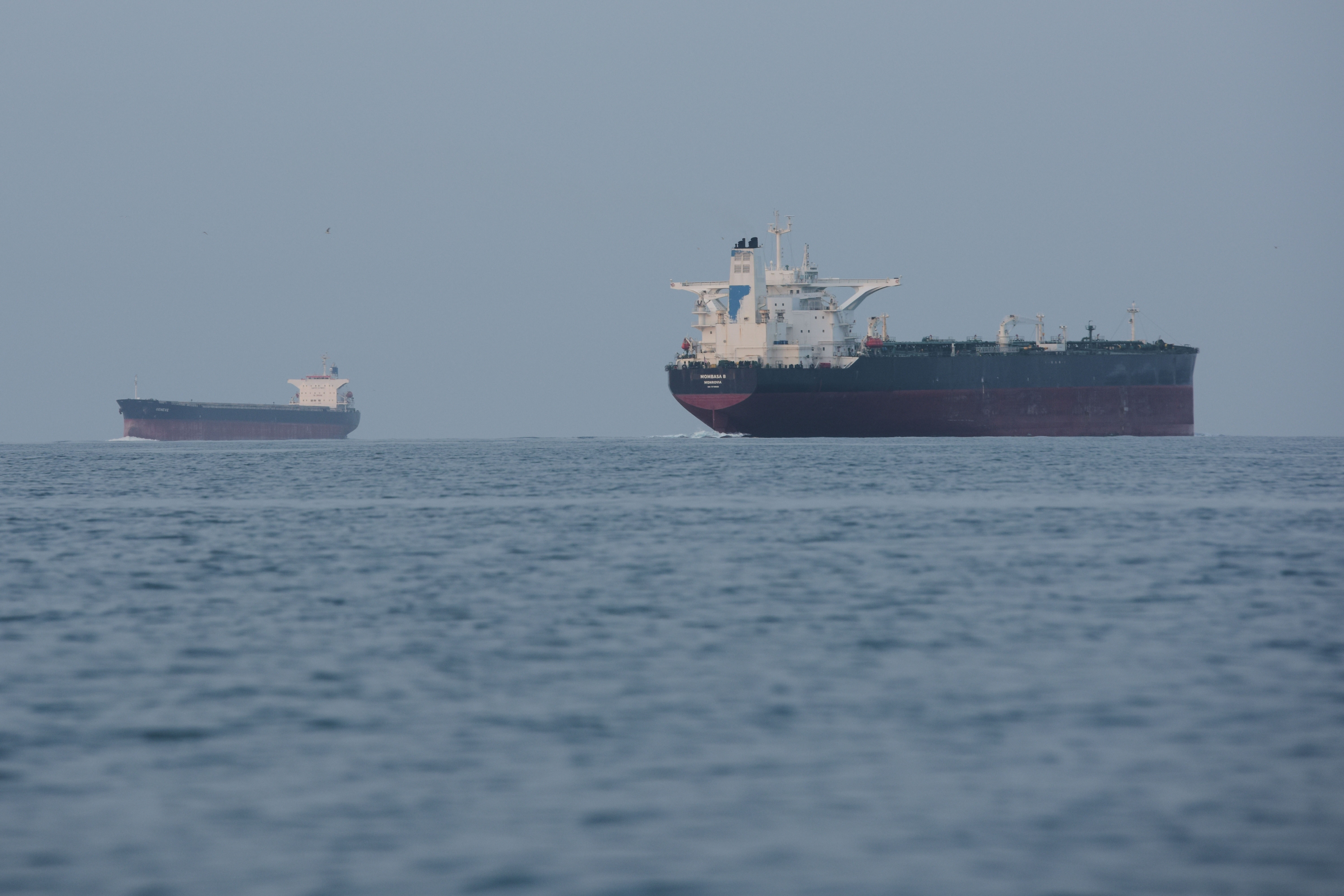
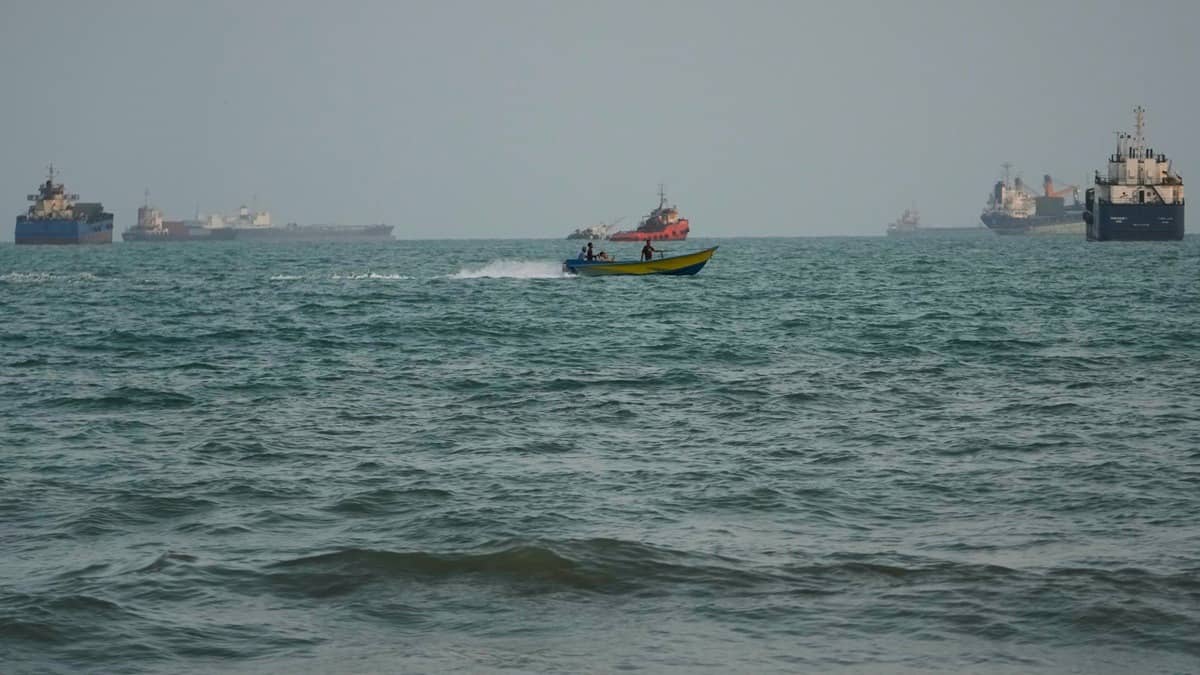
The strait is an important route for ships carrying oil and other goods.
Iran says the United States must meet several conditions before the waterway reopens and earlier talks resume.
Iran sent seven conditions through Qatar, which is helping communicate between the two countries.
The publicly described conditions include stopping fighting, releasing Iranian money, and ending the US naval blockade.
Iranian leaders say they may use both military pressure and diplomacy.
They have warned that fighting could grow if the United States rejects their demands.
The United States says it has redirected or escorted commercial ships in the region.
The two countries remain in conflict while other governments pursue diplomatic efforts.

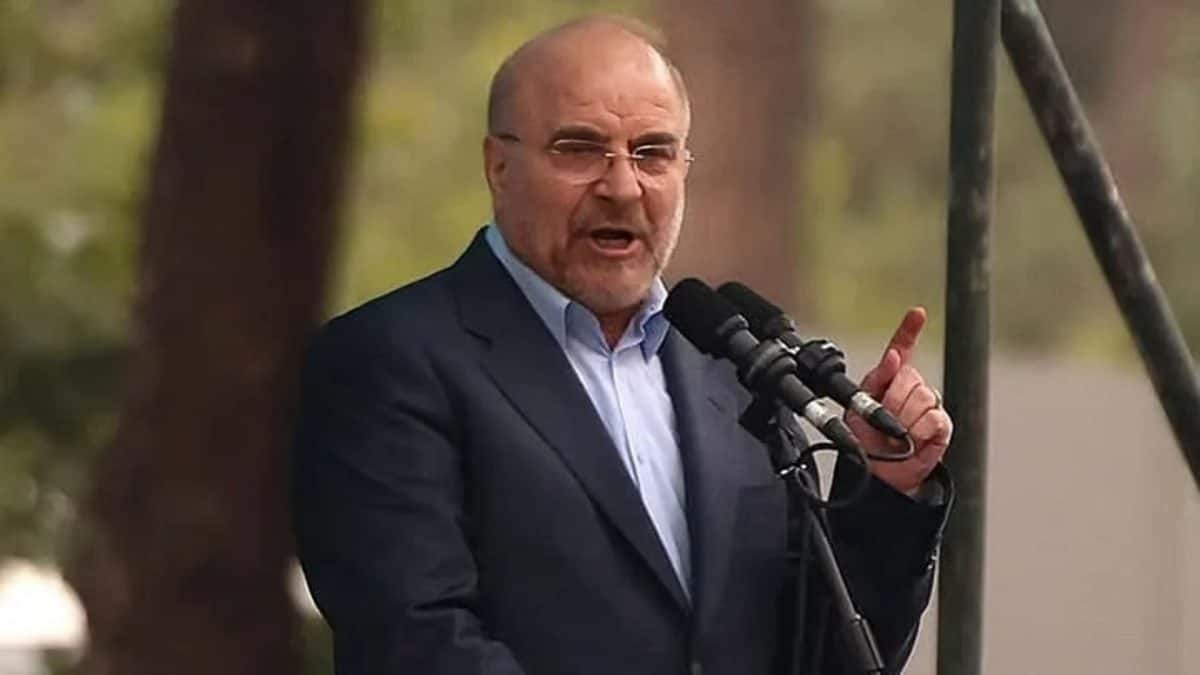
Iranian Parliament Speaker Mohammad Bagher Ghalibaf said the Strait of Hormuz will remain closed until Tehran’s conditions are met and US commitments are fulfilled.
Iran conveyed seven negotiation conditions through Qatar and is awaiting President Donald Trump’s response, according to Iranian officials.
Publicly described demands include ending hostilities on all fronts, releasing Iranian assets, and ending the US naval blockade of Iranian ports.
Iranian officials said Tehran would pursue military action and diplomacy simultaneously and warned of escalation if Washington rejects its demands.
US Central Command said it had redirected 109 commercial vessels, while another report said US forces escorted more than 2,000 vessels and one billion barrels of oil.
- Who
- Iranian leaders, including Mohammad Bagher Ghalibaf and Mohsen Rezaei, and the United States, including President Donald Trump.
- What
- Iran has ruled out reopening the Strait of Hormuz or returning to the previous negotiation framework until its conditions are met and US commitments are fulfilled.
- When
- The statements were reported on Sunday; US blockade enforcement resumed on July 14, and US Central Command cited 109 redirected vessels as of September 20.
- Where
- The dispute centers on the Strait of Hormuz, Iranian ports, and the Persian Gulf; communications have been conveyed through Qatar, with diplomatic activity also linked to New York.
- Why
- Iran says reopening the waterway and resuming talks depend on demands including an end to hostilities, the release of Iranian assets, and an end to the US naval blockade.
Iran’s Position
United States’ Position
Reopening the Strait
Iran’s Position
Iran says the Strait of Hormuz cannot reopen until Washington fulfills commitments concerning Iranian assets, the naval blockade, and other conditions.
United States’ Position
The United States has accused Iran of failing to honor commitments connected to reopening the strategically important waterway and is maintaining maritime enforcement and escorts.
Negotiations and pressure
Iran’s Position
Iran says it will pursue military action and diplomacy together, while warning of further escalation if Washington rejects its conditions.
United States’ Position
The United States is enforcing its naval blockade, redirecting or escorting commercial vessels, and warning Iran of significant consequences while leaving open the possibility of talks.
- Iran’s position
- The Strait of Hormuz will remain closed until Tehran’s conditions are met and the United States fulfills its commitments.
- Negotiation conditions
- Iran has conveyed seven conditions to Washington through Qatar.
- Publicly outlined demands
- The demands include ending hostilities on all fronts, releasing Iranian assets, and ending the US naval blockade of Iranian ports.
- Iranian strategy
- Ghalibaf said Iran would combine military action with diplomacy.
- Military warning
- Iran’s Khatam al-Anbiya Central Headquarters warned that renewed US military action would lead to attacks on American bases and interests in the region.
- US maritime actions
- US Central Command said its forces redirected 109 commercial vessels; another report said US forces escorted more than 2,000 vessels and one billion barrels of oil.
- US position
- Donald Trump warned of significant consequences if Iran did not change its behavior while indicating possible openness to talks with Masoud Pezeshkian.
Sources

Iran rules out reopening Strait of Hormuz
Iran Rules Out Reopening Hormuz, Talks Until US Meets Conditions
Iran Rules Out Reopening Strait of Hormuz, Returning to Talks Until US Meets Tehran’s Conditions
Iran says Strait of Hormuz will remain closed until its conditions are met