Archive · 12 Sep 2026
BRICS Climate Declaration Rejects One-Size-Fits-All Net Zero Model
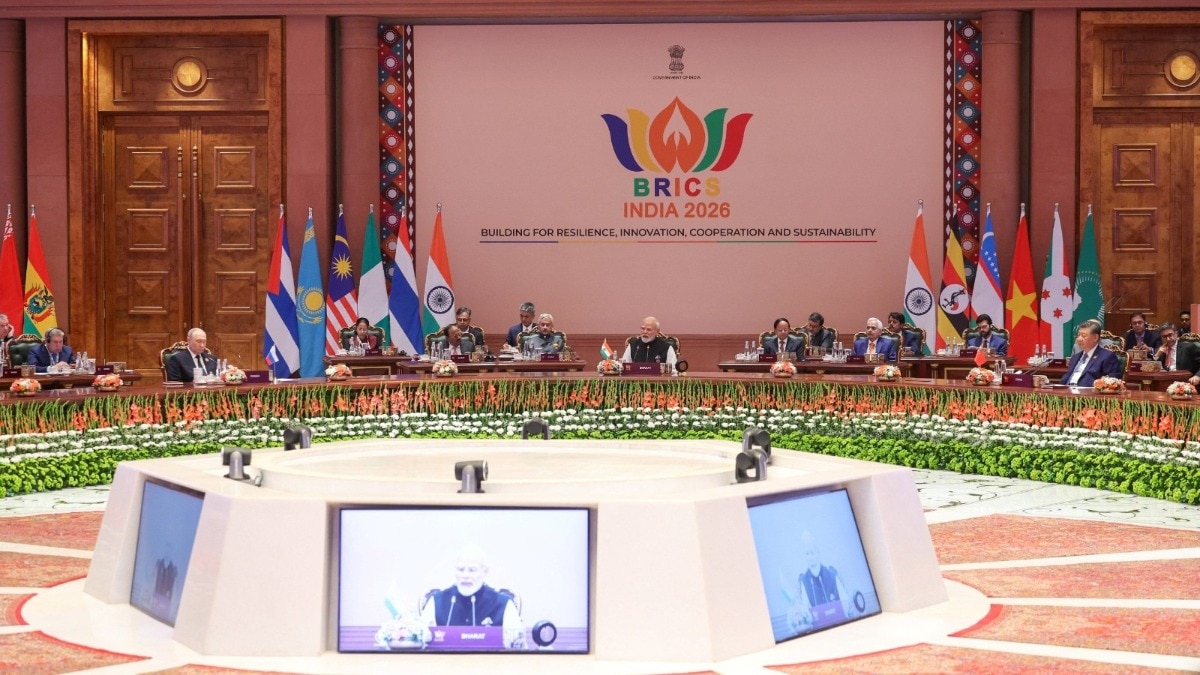
BRICS countries made a plan about climate change and development.
The plan supports reducing pollution, but it does not use the phrase “Net Zero.”
BRICS says countries have different needs and should not all have to follow the same timeline.
Developing countries may still need fossil fuels for energy, jobs and economic growth.
The declaration also supports cleaner options such as solar power, hydrogen, energy storage and smart grids.
BRICS wants richer countries to provide more money, technology and training for the transition.
It says high debt makes it harder for poorer countries to invest in climate action.
The group also objects to carbon-related import charges that it views as unfair trade barriers.
Experts described the approach as combining climate action with development and energy security.

The New Delhi Declaration supports climate action but does not mention “Net Zero.”
BRICS says developing countries should choose transition pathways reflecting their energy and development needs.
The declaration retains a role for fossil fuels while supporting renewables, hydrogen, nuclear power and other technologies.
BRICS calls for more climate finance, technology transfer and capacity-building from developed countries.
The bloc opposes unilateral carbon-border measures that it says could become punitive or protectionist.
- Who
- BRICS countries and representatives, with analysis from Rathin Roy and Li Shuo.
- What
- The New Delhi Declaration sets out a development-focused approach to climate action and energy transition without adopting an explicit “Net Zero” target.
- When
- The declaration was discussed as having been issued on Saturday; the article was published on September 12, 2026.
- Where
- The document is identified as the New Delhi Declaration; the articles do not definitively state where it was adopted.
- Why
- BRICS seeks to align emissions reduction with energy access, economic development, resilience and the policy needs of developing countries.
BRICS and Global South framing
Western climate-policy framing
Climate and development
BRICS and Global South framing
Climate action should be part of sustainable development and aligned with energy access, industrialization, economic growth, resilience and national circumstances.
Western climate-policy framing
The articles characterize the European and American approach as placing greater emphasis on the “Net Zero” framework and a common climate benchmark.
Energy transition
BRICS and Global South framing
Countries should have policy space to choose their own pathways, with fossil fuels remaining important for some emerging and developing economies alongside cleaner technologies.
Western climate-policy framing
The Western model is presented as more closely associated with faster fossil-fuel phaseout expectations and explicit “Net Zero” commitments; the articles do not provide a detailed defense of that position.
Carbon-border measures
BRICS and Global South framing
BRICS argues that unilateral carbon-border adjustment mechanisms can be punitive, discriminatory and protectionist, potentially undermining developing countries’ adaptation and development.
Western climate-policy framing
The articles identify carbon-border measures as part of the climate-policy framework opposed by BRICS but do not state the supporting arguments of governments imposing them.
- Declaration
- New Delhi Declaration
- Net Zero language
- The declaration does not mention “Net Zero.”
- Climate commitments
- BRICS reaffirmed commitments to the United Nations Framework Convention on Climate Change and the Paris Agreement.
- Energy approach
- The declaration supports a diversified energy mix including renewables, bioenergy, fossil fuels, nuclear energy, hydropower, hydrogen and low-carbon technologies.
- Climate finance
- BRICS called for additional, adequate, predictable and accessible finance, technology transfer and capacity-building for developing countries.
- Debt concerns
- The bloc said high debt burdens constrain climate and development investment and called for improved debt sustainability and greater fiscal space.
- Carbon-border measures
- BRICS opposes unilateral, punitive, discriminatory and protectionist carbon-border adjustment mechanisms.