Archive · 9 Oct 2026
Delhi Imposes Section 163 Ahead of CJP Protest

The Cockroach Janta Party planned protests in Delhi on October 9 and 10.
The party wanted Chief Election Commissioner Gyanesh Kumar to resign.
Delhi Police refused permission, saying the application was late and rules had been broken at an earlier demonstration.
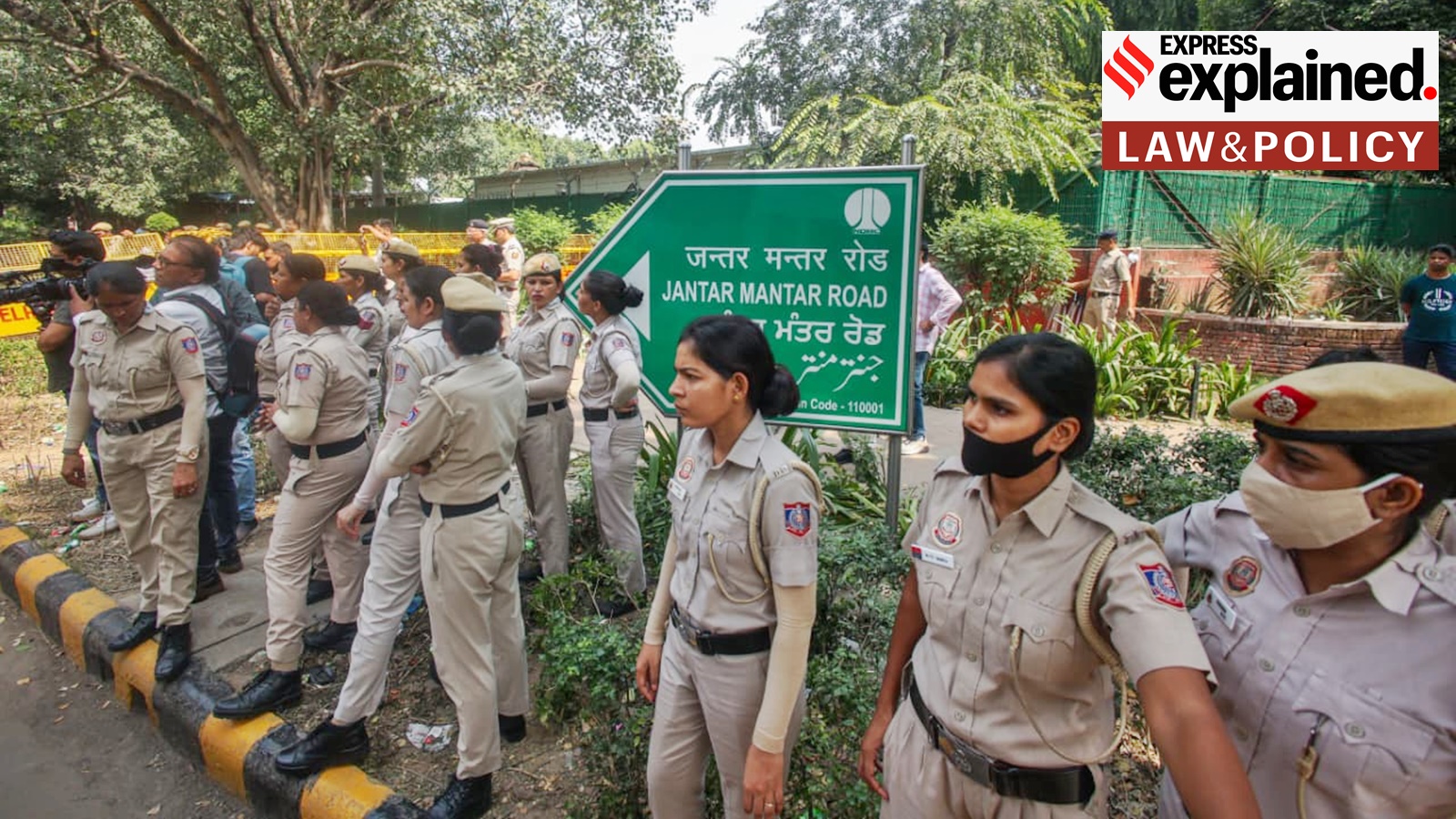
Authorities also imposed Section 163 in New Delhi district.
This law lets officials give written directions to prevent certain immediate dangers or disturbances.
It replaced an older law called Section 144 in 2024.
Courts have said the older law should be used for serious emergencies, not as a routine way to stop protests.
A Delhi study found that only a small share of the orders it examined prohibited gatherings, while many orders were repeatedly renewed.
The articles do not establish whether the protest itself was ultimately held.

Delhi Police denied permission for CJP protests planned for October 9 and 10, citing a late application and violations at a previous demonstration.
Authorities imposed BNSS Section 163 in New Delhi district ahead of the planned protests demanding Chief Election Commissioner Gyanesh Kumar’s resignation.
Section 163 replaced CrPC Section 144 in 2024 and allows written preventive directions in specified circumstances involving immediate risks.
A study of about 5,400 Delhi Section 144 orders found 81, or 1.5%, prohibited unlawful assemblies; it also documented repeated renewals of many orders.
Supreme Court rulings describe Section 144 as an exceptional emergency power and have rejected blanket protest bans that go beyond what is necessary.
- Who
- The Cockroach Janta Party planned protests; Delhi Police denied permission, and authorities imposed Section 163.
- What
- Section 163 of the Bharatiya Nagarik Suraksha Sanhita was imposed in New Delhi district before planned protests.
- When
- Ahead of protests planned for Saturday and Sunday, October 9 and 10; the articles do not specify the year.
- Where
- New Delhi district, Delhi.
- Why
- The protests were to demand Chief Election Commissioner Gyanesh Kumar’s resignation. Police cited a late application and rule violations at a previous demonstration when denying permission.
Limits on emergency powers
Authorities’ public-order rationale
Restrictions on the CJP protest
Limits on emergency powers
The articles explain that courts require preventive orders to be based on specific circumstances and proportionate to the danger; blanket restrictions can impermissibly limit speech and assembly.
Authorities’ public-order rationale
Delhi Police denied permission, citing the late application and violations during a previous demonstration, while authorities imposed Section 163 in New Delhi district.
How Section 163 should be used
Limits on emergency powers
The cited court rulings treat the predecessor Section 144 as an exceptional power for grave, immediate threats, not routine administration or an outright ban on demonstrations.
Authorities’ public-order rationale
The provision authorizes written directions intended to prevent specified dangers, including risks to safety or public tranquillity.
- Planned protests
- CJP planned demonstrations in Delhi on October 9 and 10; the year is not specified.
- Police decision
- Delhi Police denied permission, citing late submission and rule violations during a previous demonstration.
- Order imposed
- Authorities imposed BNSS Section 163 in New Delhi district.
- Legal change
- Section 163 of the BNSS replaced Section 144 of the CrPC in 2024.
- Study sample
- A 2023 report examined around 5,400 of 6,100 Delhi Section 144 orders passed between January 2021 and 2022.
- Assembly orders
- The study found 81 orders, or 1.5%, prohibited unlawful assemblies.
- Court guidance
- Supreme Court rulings characterize Section 144 as an exceptional preventive power and have rejected blanket protest bans.