

Archive · 22 Jan 2026
India Achieves 2030 Clean Energy Goals Early

India has achieved its 2030 clean energy goals early, with half of its power now coming from non-fossil fuels.
This has saved the country billions in pollution costs and health benefits.
Maharashtra's solar power model for farmers, which provides 16,000 MW of electricity, has gained global praise at the World Economic Forum.
The state is a leader in the Prime Minister's Kusum scheme, with 60% of the country's solar pumps.
India is sharing its success with other developing countries through the International Solar Alliance.
The country plans to continue investing in clean energy technologies to further reduce oil dependence and decarbonize industries and transport.
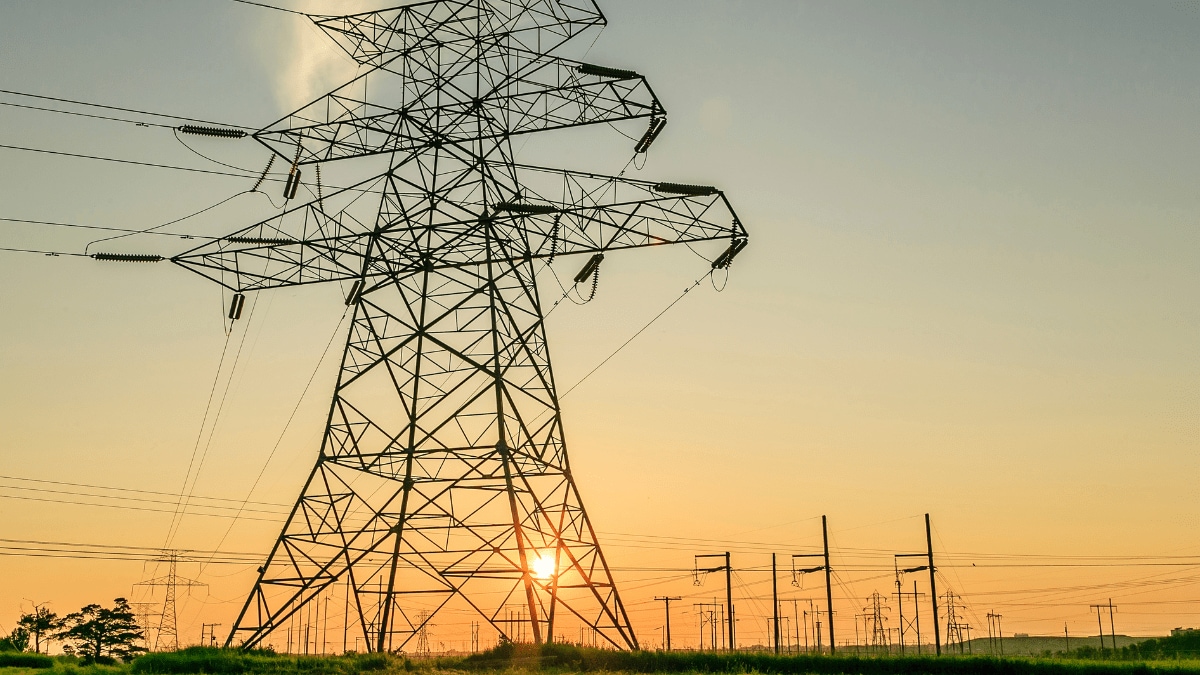
Additionally, India's national power evacuation network has crossed 5 lakh circuit km, enabling seamless transfer of electricity across regions.
The Minister of New & Renewable Energy has reached out to global investors to tap into the $300 billion investment opportunity in India's clean energy sector.

India achieved its 2030 renewable energy targets five years early, with non-fossil fuels accounting for 50% of its total installed power capacity of 484 GW in 2025.
Maharashtra's solar power model for farmers, providing 16,000 MW of electricity, gained global recognition at the World Economic Forum in Davos.
India is the only G20 nation to fully meet its Nationally Determined Contributions (NDCs), setting a precedent for rapid, large-scale decarbonisation.
The transition to clean energy saved India over USD 46 billion in pollution-related costs and avoided 410.9 million tonnes of CO₂ emissions, delivering USD 31.7 billion in health benefits.
India's initiatives like PM Surya Ghar Muft Bijli Yojana and PM Kusum are democratising access to clean energy, benefiting rural and urban communities.
- Who
- India, Maharashtra, International Solar Alliance (ISA), Prime Minister Narendra Modi, Chief Minister Devendra Fadnavis, Minister of New & Renewable Energy Pralhad Joshi
- What
- India achieving 2030 renewable energy targets five years early, Maharashtra's solar power model for farmers gaining global recognition, and India's outreach to global investors at the World Economic Forum
- When
- 2025, with Maharashtra's project completion by the end of 2026, and the World Economic Forum 2026 in Davos
- Where
- India, Maharashtra, World Economic Forum (Davos), Global South
- Why
- To create an ecosystem of policy and regulatory support, integrated planning of the power system, and to share its blueprint with developing nations, while also attracting global investments in clean energy
Pro-Renewable Energy Advocates
Fossil Fuel Industry
Energy Transition Speed
Pro-Renewable Energy Advocates
Rapid transition to renewable energy is crucial for environmental sustainability and economic benefits.
Fossil Fuel Industry
Faster transition may lead to job losses in traditional energy sectors and require significant infrastructure investments.
- Renewable Energy Capacity
- 484 GW (50% non-fossil fuels)
- CO₂ Emissions Avoided
- 410.9 million tonnes
- Health Benefits
- USD 31.7 billion
- Solar Power Capacity
- 135 GW
- Wind Power Capacity
- 54 GW
- Solar Module Manufacturing Capacity
- 144 GW (81 GW added in 2025)
- International Solar Alliance Members
- 125
- Maharashtra Solar Power for Farmers
- 16,000 MW
- Maharashtra Solar Pumps
- 60% of national total
- Maharashtra Rooftop Solar
- 4,000 MW
- Transmission Lines
- 5 lakh circuit km
- Transformation Capacity
- 1,407 GVA
- Inter-Regional Power Transfer Capacity
- 1,20,340 MW
- Clean Energy Investment Opportunity
- $300–350 billion by 2030
Sources
At forefront of global clean energy movement, India emerges as mentor for developing nations

India’s clean energy goals on track despite global uncertainty, says IREDA chief

Maharashtra’s solar power model for farmers draws global praise at Davos

India's installed power capacity rises 36% in 5 years; 2025 sees record renewable additions: RBI

India’s electricity network crosses 5 lakh circuit kilometres milestone
Renewables drive next grid build: 40,000 ckm of inter-state lines to come up to evacuate green power

India’s power evacuation network surpasses 5 lakh circuit km-mark
