

Archive · 28 Nov 2025
How to Check for Poultry Contamination
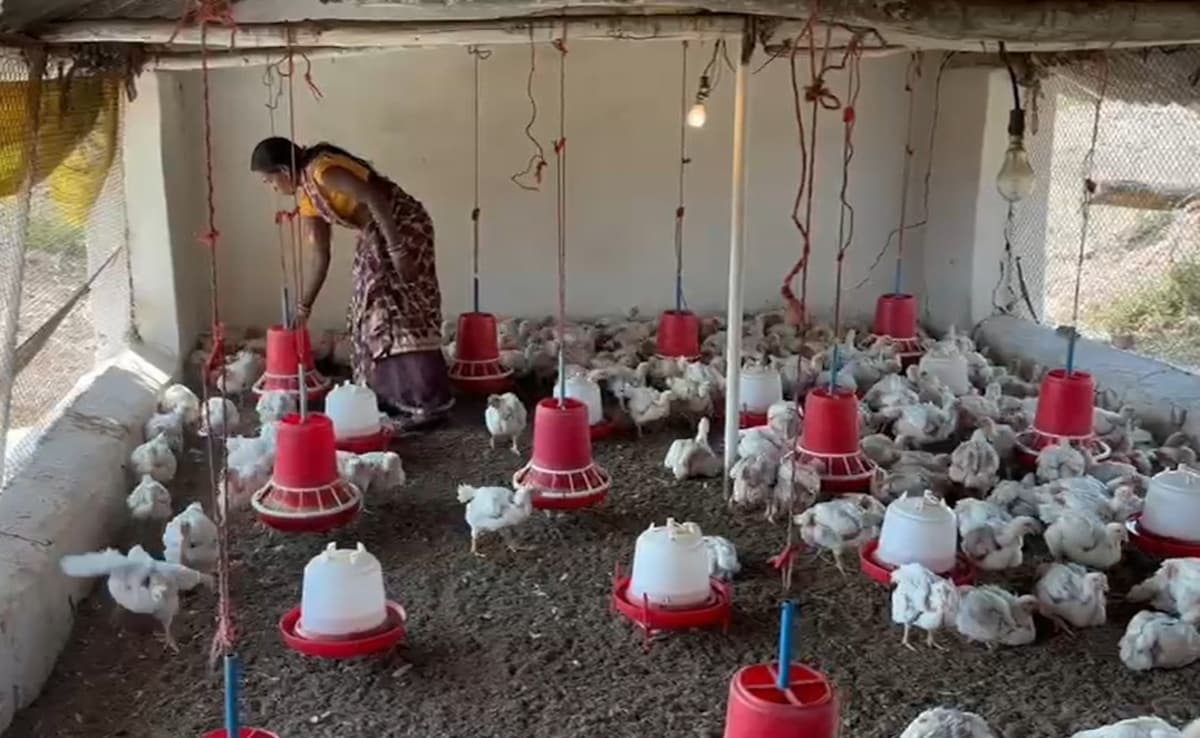
Chicken is a big part of many people's diets in India, but it can sometimes have hidden dangers like germs that can make you sick.
These germs can come from things like salmonella, campylobacter, and even bird flu.
It's important to check your chicken before you buy and cook it to make sure it's safe.
You can do this by looking at its color, smelling it, and feeling its texture.
Fresh chicken should be light pink, smell mild, and feel firm.
You should also check the expiry date and store it properly to keep it safe.
Cooking chicken at the right temperature is the best way to kill any germs.
Always wash your hands and clean surfaces after handling raw chicken to stay safe.

Major contaminants in poultry include salmonella, campylobacter, E. coli, pesticide residue, antibiotic residue, and physical fragments.
Zoonotic diseases from contaminated poultry can be fatal, especially for those with weakened immune systems.
Recent bird flu outbreaks, including a novel H5N5 strain in the U.S., highlight the importance of poultry safety.
Practical ways to check for contamination include inspecting color, smell, texture, and packaging integrity.
Proper storage and cooking practices are crucial to preventing contamination and ensuring poultry safety.
- Who
- General public, especially poultry consumers in India
- What
- How to check for contamination in poultry and prevent zoonotic diseases
- When
- Ongoing public health concern, with recent bird flu outbreaks in the U.S. and Europe
- Where
- India, with references to global poultry farming practices and bird flu outbreaks
- Why
- To ensure the safety and hygiene of poultry consumption, preventing contamination and zoonotic diseases
- Major Contaminants
- Salmonella, Campylobacter, E. coli, Pesticide Residue, Antibiotic Residue, Bone Fragments, Feathers
- Zoonotic Diseases
- Illnesses transmitted from animals to humans, affecting weakened immune systems and children
- Bird Flu Strain
- H5N5
- Antimicrobial Resistance
- Linked to poultry farming practices, studies indicate need for hygienic practices
- Fresh Poultry Indicators
- Light pink flesh, white fatty pieces, no discolouration, no mould, no foul smell, moist and firm texture
- Storage Temperature
- Raw poultry: 40°F (4.4°C) for 1-2 days, Long-term frozen: 0°F (-18°C)
- Cooking Temperature
- Correct internal temperature to kill pathogens