

Archive · 28 Oct 2025
Pakistan's Afghan Border Crisis: Warlord Groups Escalate Hostilities
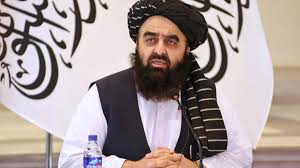
Imagine two neighbors, Pakistan and Afghanistan, who don't always get along.
In a part of Pakistan near the border, there's a group led by a man named Hafiz Gul Bahadur.
He and his fighters used to be supported by Pakistan, but now they fight against Pakistan, using Afghanistan as a base.
This is similar to another group called the TTP.
Pakistan is upset and wants Afghanistan's new rulers, the Taliban, to stop these groups.
However, the Afghan Taliban feel a sense of honor and hospitality towards these fighters because they are from the same Pashtun tribe.
They believe in a code called Pashtunwali, which makes it hard for them to hand over guests, even if Pakistan is angry.
Pakistan has tried different ways to solve this, like talking or even attacking across the border, but it hasn't worked.
This situation is making things very tense, and there's a worry that a bigger fight could happen, like a war, even though both sides have agreed to a ceasefire.
It's like Pakistan created these 'monsters' that are now turning against them.

Hafiz Gul Bahadur, a powerful warlord from Pakistan's border region, now operates from Afghanistan against Pakistani forces.
Both Gul Bahadur's group and the Tehreek-e-Taliban Pakistan (TTP) are primarily supported and hosted by the ruling Afghan Taliban.
Pakistan's strategies, including diplomatic efforts and cross-border actions, have failed to control militant groups targeting its territory.
The Pashtunwali code of hospitality prevents the Afghan Taliban from readily turning in groups like Gul Bahadur's, despite Pakistan's demands.
Pakistan-Afghan relations have deteriorated to an all-time low, with fears of impending conflict despite a declared ceasefire.
- Who
- Hafiz Gul Bahadur and his cadres, Tehreek-e-Taliban Pakistan (TTP), Afghan Taliban, Pakistani military and government.
- What
- Escalating hostilities and strategic failures for Pakistan concerning militant groups operating from Afghanistan and along the Afghan border.
- When
- Ongoing, with significant escalation following the Taliban's takeover of Afghanistan in 2021 and recent diplomatic events.
- Where
- Khyber Pakhtunkhwa province of Pakistan, bordering Afghanistan's Patika province, particularly North Waziristan Agency.
- Why
- Complex interplay of tribal codes (Pashtunwali), historical grievances, shifting loyalties, patronage of militant groups by the Afghan Taliban, and Pakistan's failed regional strategies.
Pakistan's Stance
Afghan Taliban's Position
Control of Militant Groups
Pakistan's Stance
Demands the Afghan Taliban turn in Pakistan-facing terror groups like the Gul Bahadur group and TTP.
Afghan Taliban's Position
Protects these groups, particularly the Gul Bahadur group, citing Pashtunwali code of hospitality ('melmastia') and shared Pashtun identity.
Durand Line Recognition
Pakistan's Stance
Seeks to enforce the Durand Line border and control cross-border movement.
Afghan Taliban's Position
Local tribes in border regions do not recognize the Durand Line, operating under tribal codes.
Regional Security Strategy
Pakistan's Stance
Employs tactics like cross-border attacks, economic pressure, and demanding adherence to its national interests.
Afghan Taliban's Position
Harbors groups that target Pakistan from bases in Afghanistan, seeing them as fellow Pashtun brethren and resisting external pressure.
- Key Warlord
- Hafiz Gul Bahadur
- Historical Context
- Gul Bahadur's lineage fought against British and Pakistani forces; he fought in anti-Soviet jihad and later rebelled against Pakistan.
- Key Agreements
- 2006 North Waziristan peace agreement (by Gul Bahadur faction); Operation Zarb-e-Azb by Pakistan.
- Current Patron
- Afghan Taliban ruling the Islamic Emirate of Afghanistan
- Cultural Code
- Pashtunwali (including nang - honour, and melmastia - hospitality)
- Pakistan's Actions
- Charm offensive, diplomacy, cross-border attacks, forced return of Afghan refugees.
- Current Relations
- At an all-time low, with portents of imminent war despite a declared ceasefire.