Archive · 13 Sep 2025
1965 Indo-Pak War: Why Its Lessons Remain Crucial Today

The 1965 war between India and Pakistan was a tough fight with no clear winner.
Pakistan's leader thought India was weak after a previous loss, but they were wrong.
Key battles happened, and India showed resilience.
The war taught important lessons about leadership and strategy.
One Indian general, Harbaksh Singh, made critical decisions that helped the Indian army.
The war ended without major changes in territory.
It's important to remember this war and its lessons so we don't repeat past mistakes.

The 1965 war was initiated by Pakistan, who underestimated India's strength.
Lt. Gen. Harbaksh Singh played a key role in the war, making crucial decisions on the ground.
Pakistan's initial advance in the Akhnoor sector was disrupted due to leadership changes.
The Indian Army demonstrated resilience, fighting key battles in Asal Uttar and Chawinda.
The war ended in a stalemate, emphasizing the importance of remembering its lessons.
- Who
- India and Pakistan
- What
- A war marked by strategic miscalculations, key battles, and leadership decisions.
- When
- 1965
- Where
- Jammu & Kashmir, Punjab, and surrounding areas
- Why
- Pakistan initiated the war to gain control of Kashmir; India fought to defend its territory.
Indian Perspective
Pakistani Perspective
Outcome of the War
Indian Perspective
India views the war as a successful display of resilience and initiative after the 1962 war.
Pakistani Perspective
Pakistan declared September 6 as their "Victory Day", indicating a perception of success, despite the stalemate.
- Conflict
- 1965 India-Pakistan War
- Key Figures
- Lt. Gen. Harbaksh Singh, Ayub Khan
- Major Battles
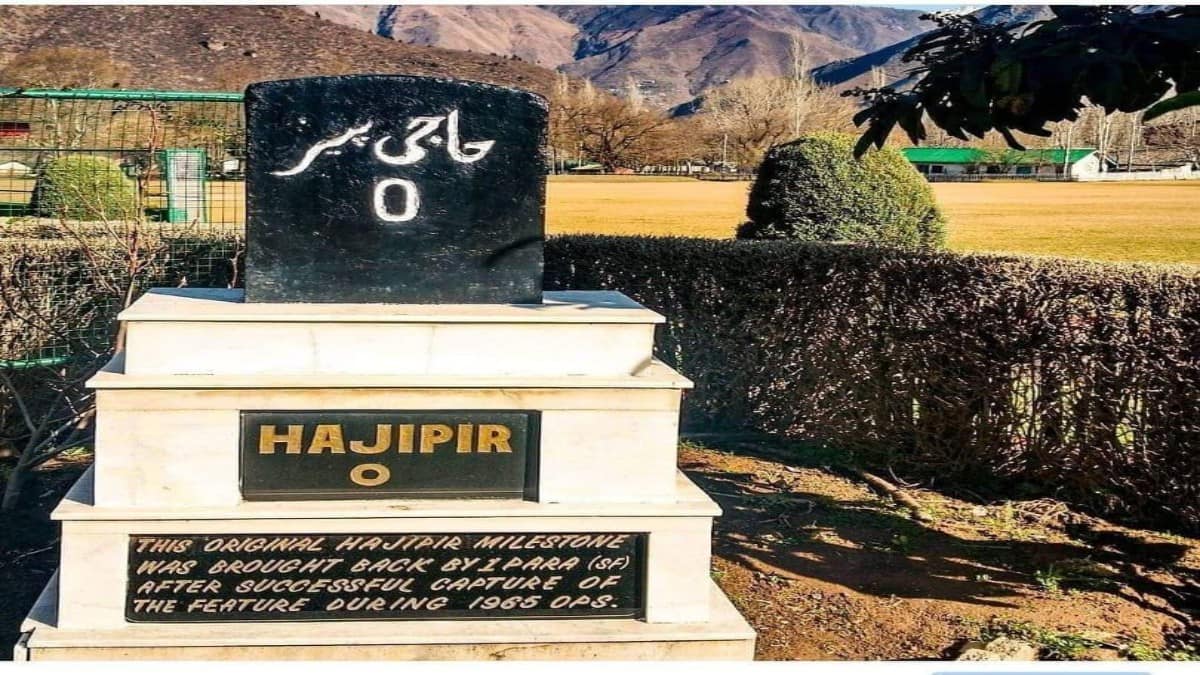
- Asal Uttar, Chawinda, Haji Pir
- Outcome
- Stalemate
- Significance
- Resurgence of Indian military; lessons in leadership and strategy