

Archive · 5 Nov 2025
How Google Chrome's Incognito Mode Works and Its Limitations
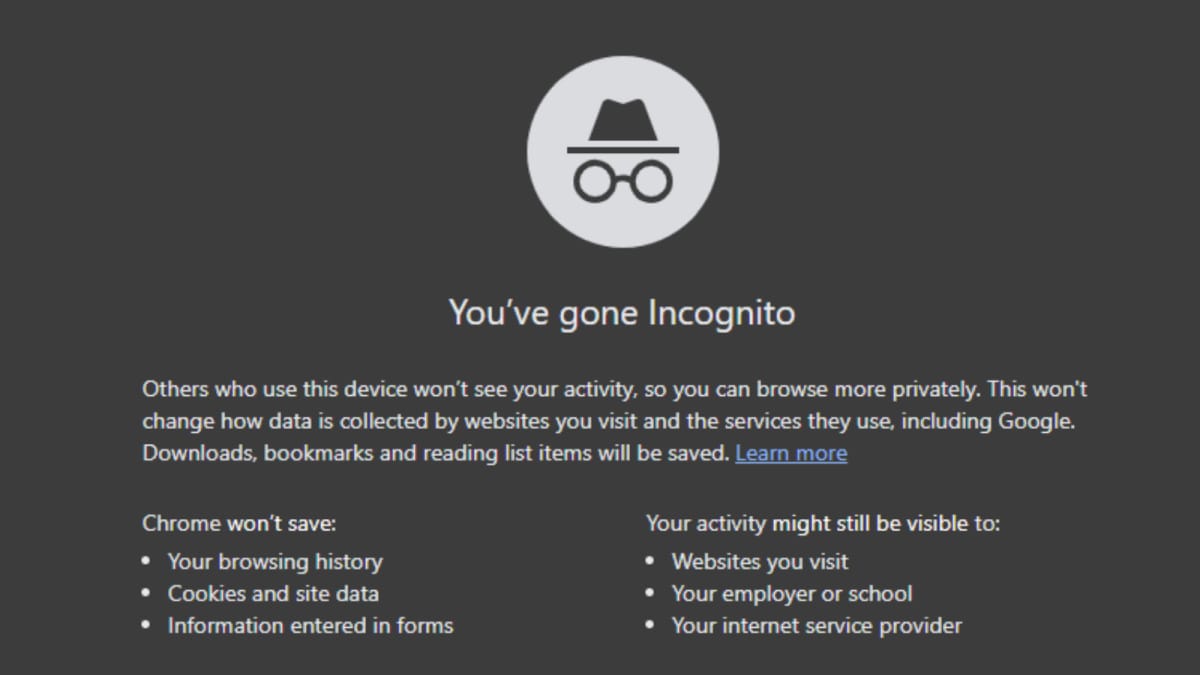
Imagine you're drawing a picture and don't want anyone at home to see it.
Incognito mode in Chrome is like drawing that picture in a special room where your family can't see it.
Your drawing history, the crayons you used (cookies), and notes you wrote (forms) are all put away after you're done, so nobody in your house knows what you drew.
However, the art store (websites) and the mailman (your internet provider) might still know you were there.
If you sign into your favorite toy store account while in this special room, the store owner will still know it's you.
Google also agreed to delete old drawings (user data) that they weren't supposed to keep from when people thought they were drawing in secret.

Incognito mode prevents Chrome from saving browsing history, cookies, site data, and form information on your device.
Your browsing activity is not saved on your device, making it private from others who use the same device.
Websites identify you as a new user in Incognito mode unless you sign in.
Your activity can still be visible to your Internet Service Provider, school, or employer.
Google settled a lawsuit and agreed to delete billions of user data records after allegations of covert monitoring in Incognito mode.
- Who
- What
- Explaining how its Incognito browsing mode functions and its limitations.
- When
- Recently, with discussion reignited by a viral X post about a lawsuit settlement.
- Where
- Globally, specifically concerning Google Chrome users.
- Why
- To clarify user understanding of Incognito mode's privacy features and limitations, particularly in light of a lawsuit settlement regarding data collection.
- Incognito Mode Functionality
- Does not save browsing history, cookies, site data, or form information on the device.
- Account Login Impact
- Activity is recorded by Google if logged into a Google account.
- Visibility to Third Parties
- Activity may still be visible to Internet Service Providers, schools, and employers.
- Website Tracking
- Websites identify users as new unless they sign in.
- Lawsuit Settlement
- Google agreed to delete billions of user data records related to covert monitoring in private browsing.